
Why Athens Should Be More Than a Stopover in Greece
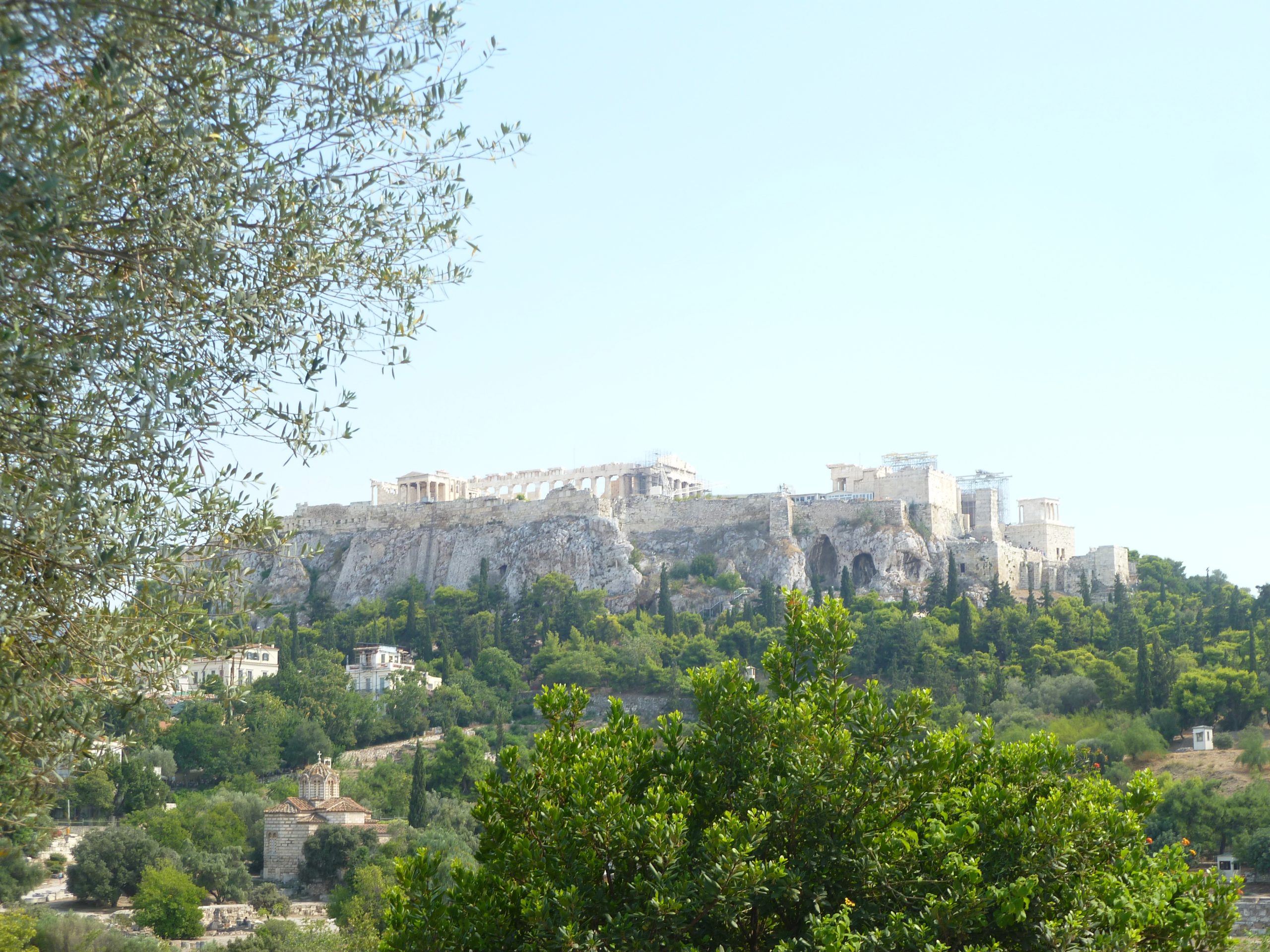
Athens is one of my favourite cities in the world, and honestly, I think it is often overlooked by most people, as they are rushing through on their way to the Greek islands.
I actually liked Athens so much the first time I visited, that I extended my trip. Then, a few months later, I came back again. There is just something about Athens that I really love. It is busy, chaotic and full of people, but at the same time you can turn a corner and suddenly be standing in front of an ancient ruin that is thousands of years old. It’s such a great blend of old and new.
As someone who loves history, Athens was always going to be somewhere I wanted to spend some time. After studying Ancient Greece at school and visiting some of the historical places I had read about, being able to walk around Athens and actually see them in person was fantastic!
And while the Acropolis and Parthenon are the biggest drawcards, there is so much more to Athens than these two famous landmarks.
If you’re planning an Athens trip, here are some of my favourite things to see and do, along with a few tips from my own visits.
The Acropolis and Parthenon
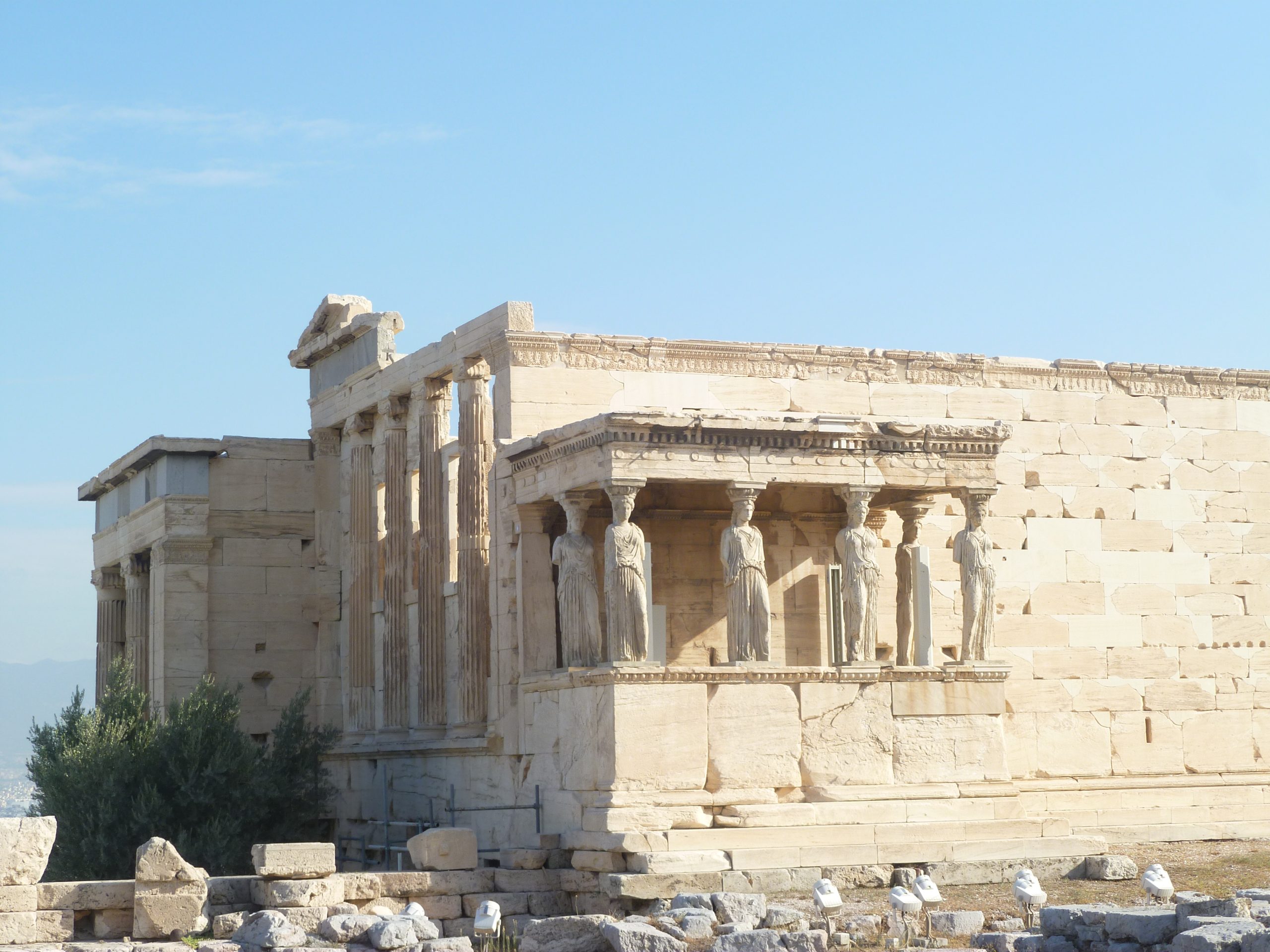
You can’t visit Athens without visiting the Acropolis. The iconic site is so closely associated with Athens and is always at the top of the list for people to visit.
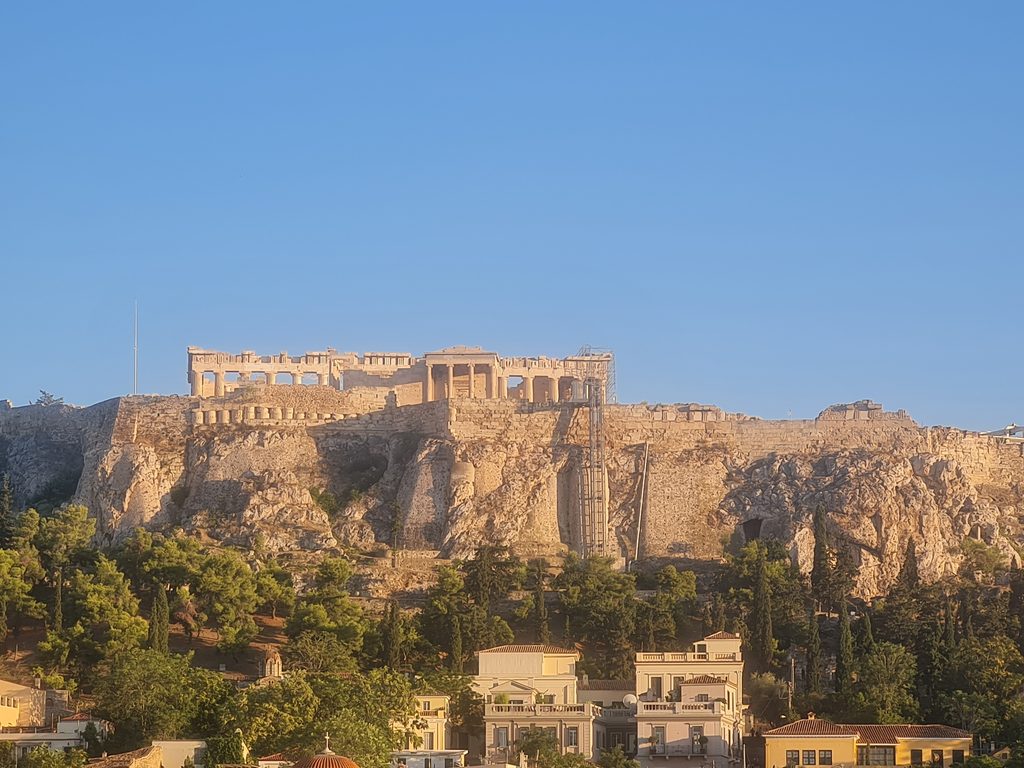
Sitting on a rocky hill in the middle of the city, the Acropolis is an ancient citadel and one of the most recognisable archaeological sites in the world. While the hill itself has a much longer history, the monuments most people associate with the Acropolis were largely built in the 5th century BC, destroyed and rebuilt many times over the centuries such as during the Roman and Hellenistic periods, up to the Ottoman period.
The Acropolis includes several important monuments, including the Parthenon, Propylaea, Erechtheion and Temple of Athena Nike.
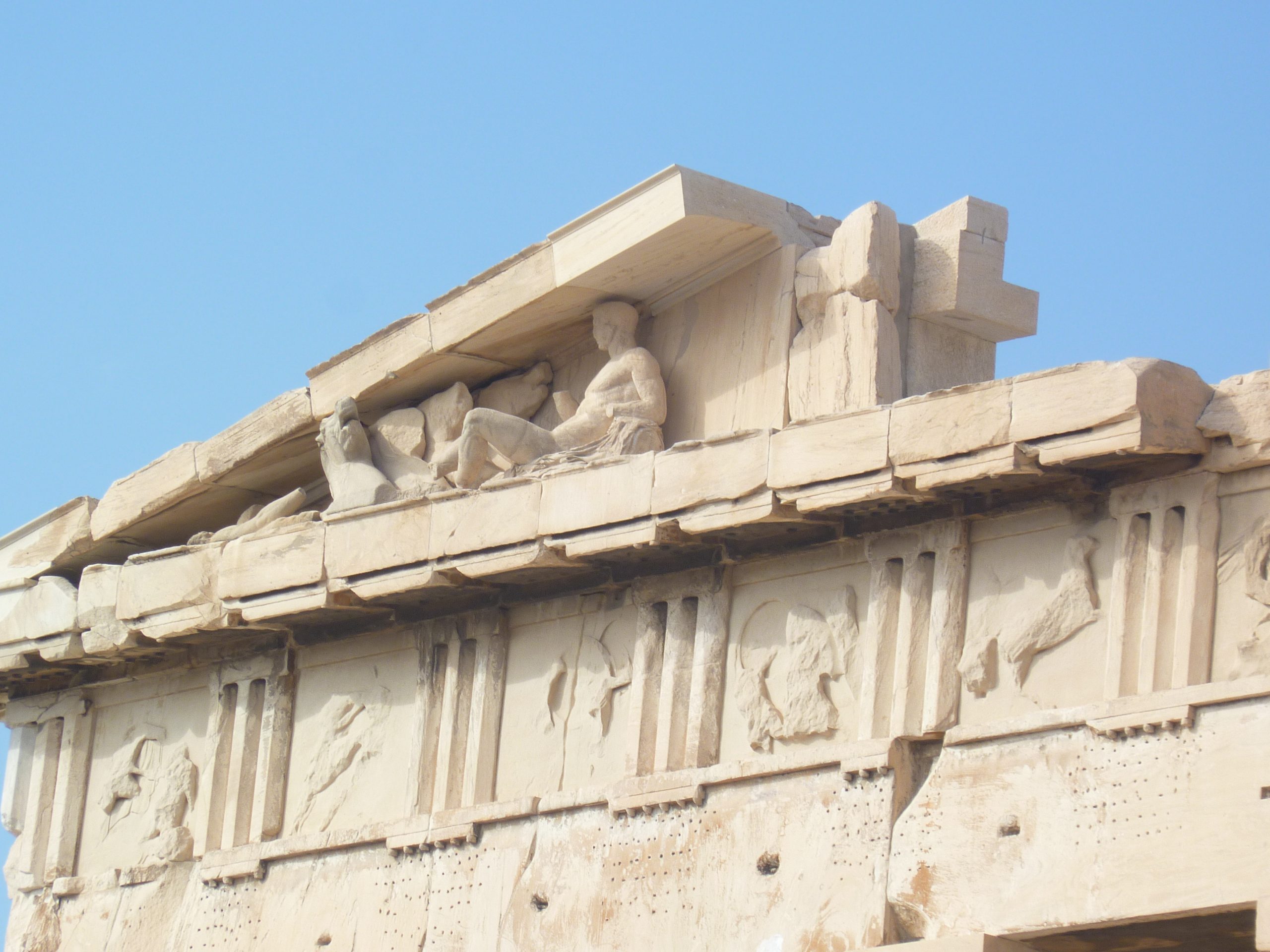
The Parthenon is the most famous of them all and was dedicated to Athena, the patron goddess of Athens. The Erechtheion was also associated with Athena, as well as Poseidon, while the Propylaea forms the monumental gateway to the Acropolis.
The Acropolis has survived wars, attacks, fires, earthquakes, explosions and changes in how the site was used. It has been a UNESCO World Heritage Site since 1987.
My tip: Get to the Acropolis early
If there is one piece of advice I would give you for visiting the Acropolis, it is to go early.
The site opens from 8am, although opening hours vary throughout the year. When I visited, I got there right at the opening time and headed straight to the top.
It was so much quieter than I expected. So much so, I actually struggled to find someone to take a photo of me up there!
I walked straight up to the Parthenon and I was pretty much finished with the top section by around 9am, by which time the larger tour groups were arriving. I then walked back down and explored some of the other archaeological remains along the way.
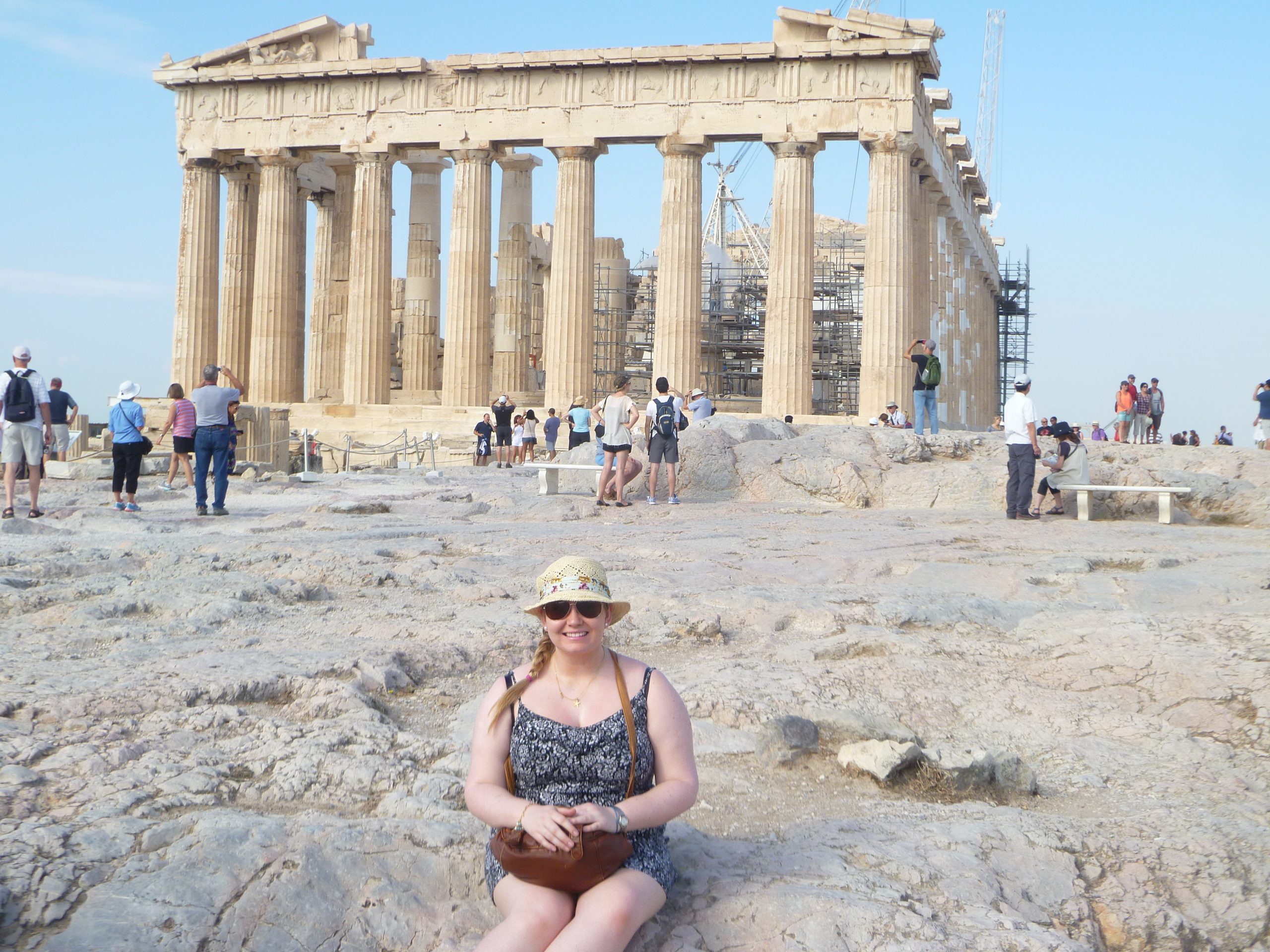
What I found particularly funny was that everyone arriving after me seemed to be doing exactly the same thing. They were all heading straight to the top first, meaning that some of the areas I had originally by- passed were completely empty when I came back down. If you go early, you are also avoiding the worst of the heat in the later part of the day, especially during summer.
The Acropolis and its slopes tickets are timed- tickets and are currently €30. Tickets can be pre-purchased online through the official Hellenic Heritage Website. I recommend booking this at a minimum 4 weeks in advance.
The Acropolis Museum
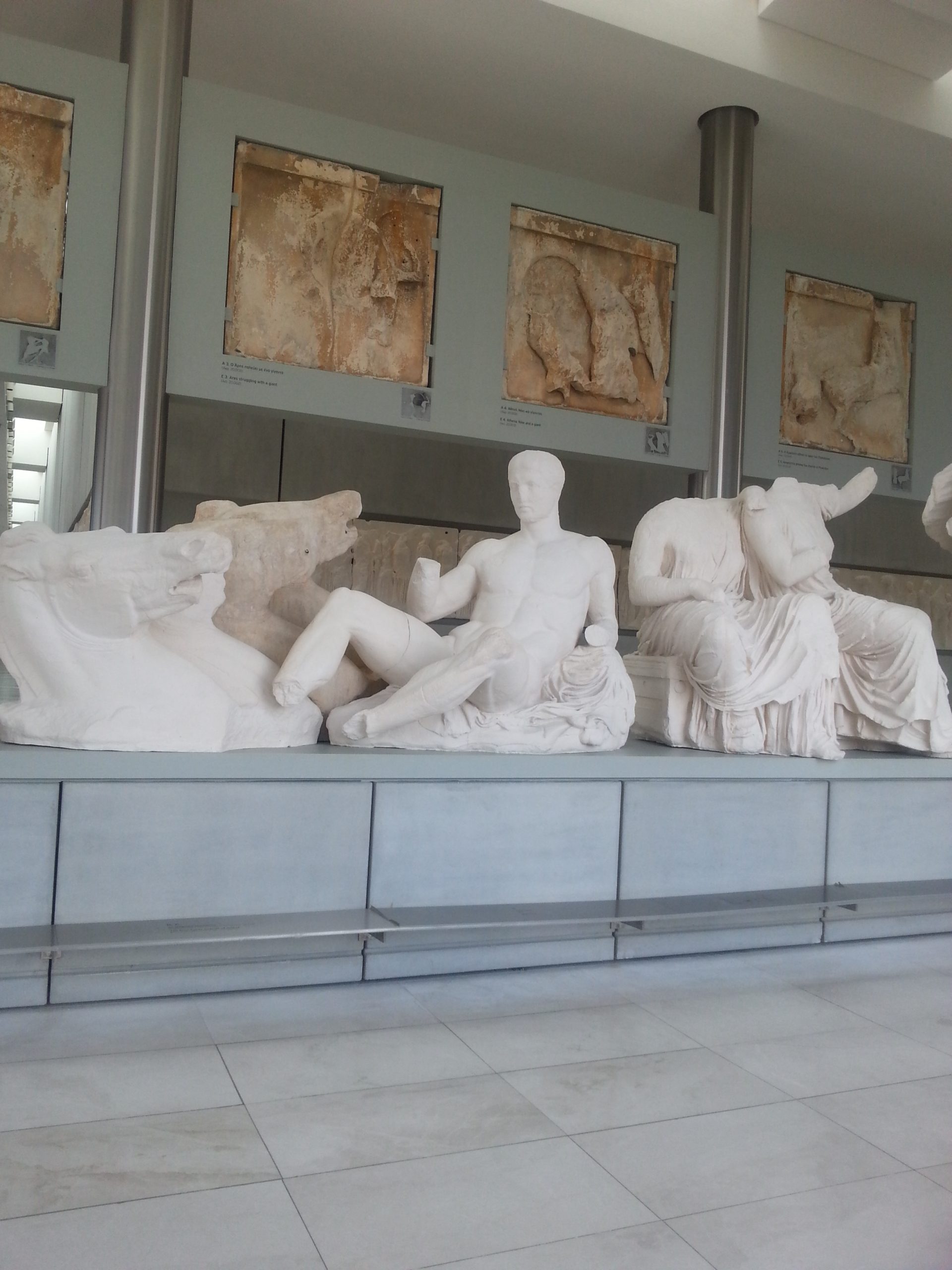
Once you’ve visited the Acropolis itself, I would definitely make time for the Acropolis Museum.
Located at the base of the Acropolis, the museum contains all of the archaeological finds from the Acropolis and its surrounding slopes. There are sculptures, architectural pieces, statues and other artefacts that help put what you have just seen on the hill into context.
One of the highlights is the Parthenon Gallery on the third floor, where the museum displays the sculptural decoration of the Parthenon. There is a large artist’s rendering panel that links each piece with where it was located on the Parthenon and what the Parthenon would have looked like at the height of the ancient times in Athens.
The museum also incorporates archaeological remains of an ancient neighbourhood beneath the building.
I found visiting the museum after the Acropolis particularly useful because you get to see some of the actual objects and sculptures associated with the site rather than just seeing the buildings’ ruins themselves. I would allow at least an hour or two to walk around rather than trying to rush through it.
Explore Athens on a walking tour
I am always a big sucker for a good walking tour- some people hate them, some people love them. I for one am definitely part of the latter group. Its my favourite way to get to know a new city is by doing a walking tour, and Athens is a great city for it.
A walking tour can help you get your bearings while also giving you some of the history behind the buildings and neighbourhoods you are walking through.
Athens has so much history layered on top of itself that you can walk past something without realising what it is or just how old it actually is.
A walking tour can also help to break down, in this case thousands of years of history of a city into bite size pieces that you can understand.
I’d particularly recommend doing one early in your trip and then returning to the areas you liked afterwards.
Like in most cities around europe, Walkative tours with their bright yellow umbrellas do some great tours around Athens, such as the Welcome to Athens: Best historical walking tour in the old town.
As always a gentle reminder that the “free” walking tours are not actually free and work on a tipping basis.
Monastiraki Square

If you’re looking for somewhere that feels a little different from the ancient archaeological sites, head to Monastiraki.
Monastiraki Square is one of the livelier parts of central Athens and is surrounded by shops, markets, restaurants, roof top bars and streets to wander through. While in the square, you will find street entertainers and artists always gathering a crowd.
The nearby Adrianou Street is a good place to wander around, particularly if you’re looking for souvenirs, food or somewhere to stop for a drink.
There are also plenty of rooftop bars around this part of Athens, and sitting on a rooftop at night with a view towards the Acropolis is one of those things that just feels very Athens.
During the day, you can wander through the flea market and surrounding streets, then come back later in the evening when the atmosphere completely changes.
Get Yourself a Pair of Handmade Greek Sandals
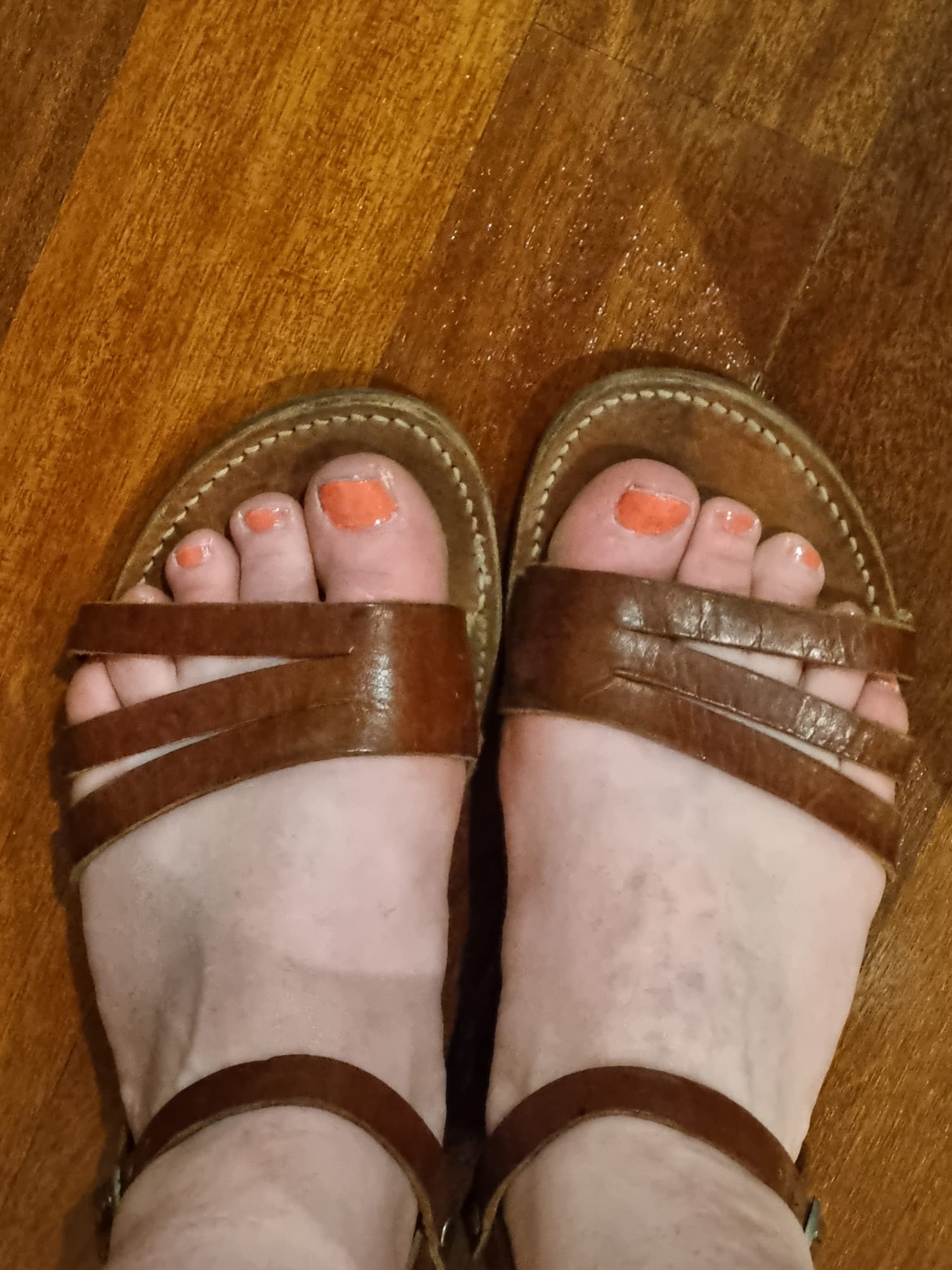
If you’re looking for a souvenir from Athens that you’ll actually use, I’d definitely recommend checking out Melissinos Art – The Poet Sandal Maker.
Tucked away near the Acropolis museum, this isn’t just another shop selling Greek sandals. The Melissinos family has been making sandals in Athens since 1920, with the business now being run by third-generation sandal maker Pantelis Melissinos. The traditional sandal-making techniques have been passed down through the family, with the sandals handmade and fitted to your feet.
The shop itself is also worth visiting, even if you’re not planning on buying anything. The walls are covered in photographs and memorabilia showing the many famous people who have visited over the years. The Melissinos name has attracted everyone from Jackie O to John Lennon, Barbra Streisand and Jeremy Irons, while the current generation has made sandals for celebrities including Sarah Jessica Parker, Lily Tomlin, Mick Jagger and Leonard Cohen.
They also actually made the Sandals used in the 2005 movie Troy!
The sandals aren’t the cheapest you’ll find in Athens, particularly when you compare them with the sandals sold in the markets and tourist shops. However, I think there is a big difference between buying a cheap pair of sandals as a holiday souvenir and buying a pair that is handmade and fitted specifically for you.
I’ve bought a pair each time I’ve visited Athens, and they are honestly the most comfortable sandals I own. They were comfortable from the beginning, but like most good leather footwear, they have become even better the more I’ve worn them. The leather softens and moulds to your feet, and still feels comfortable walking around and wearing them all day (without the blisters!).
So yes, you can definitely find cheaper Greek sandals around Athens, but if you’re after something a little more special and want a pair that you’ll continue wearing long after your Greek holiday is over, I think Melissinos is worth a look.
And let’s be honest, being able to say your sandals were handmade in Athens by a family that has been making them for generations is a much better souvenir story than another fridge magnet! Also keep in mind that at certain times during the year, they can get extremely busy and so can take a few hours, or you might have to come back and pick them up the next day. So if you want a pair, don’t leave this trip to your last day!
Syntagma Square and the Changing of the Guard

Another place you should add to your Athens itinerary is Syntagma Square, the main square in front of the Greek Parliament.
One of the things to see here is the Changing of the Guard outside Parliament.
The guards, known as the Evzones, wear the traditional ceremonial uniform and perform the changing of the guard ceremony at regular intervals, with a larger ceremonial changing taking place on Sundays.
It is a completely different experience from visiting the ancient ruins and gives you a glimpse of modern Greek life and traditions.
Plaka
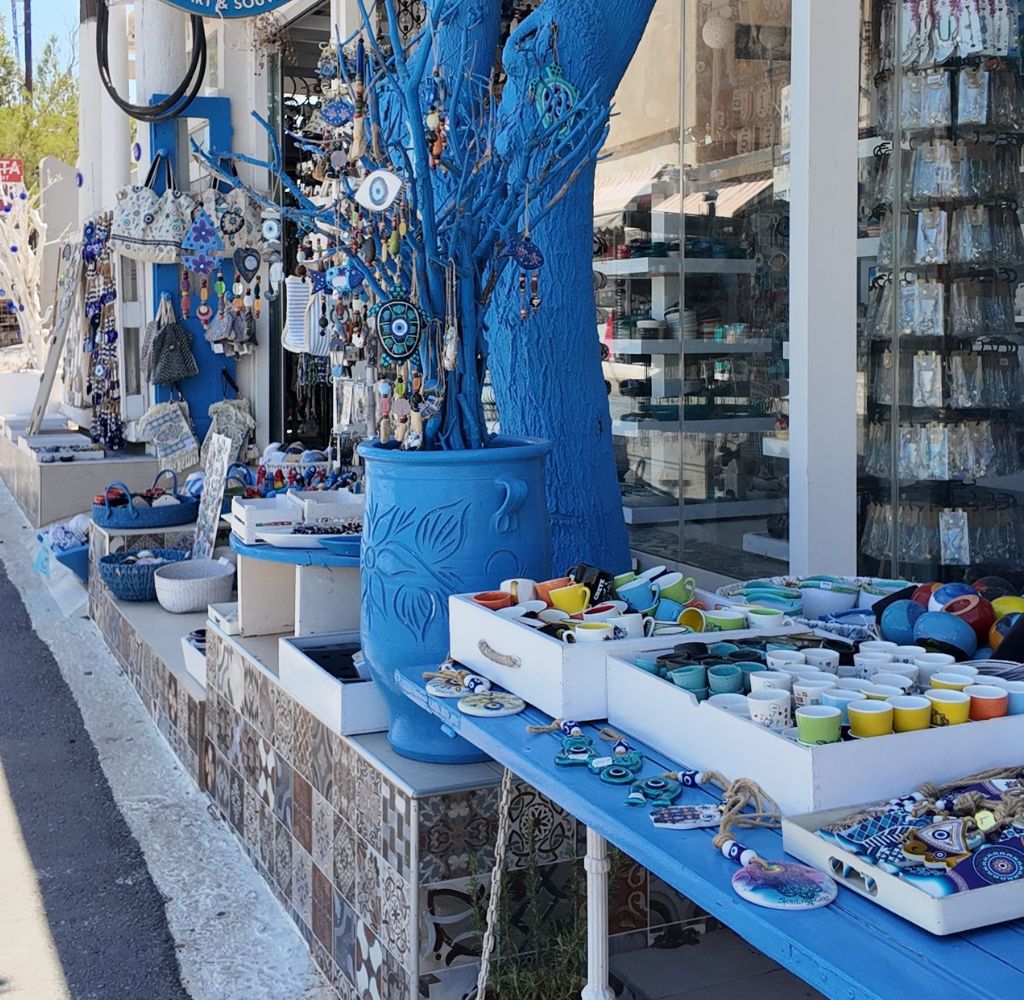
One of the neighbourhoods you’ll probably find yourself wandering through while exploring central Athens is Plaka.
Located beneath the Acropolis, Plaka is full of narrow streets, shops, restaurants and little corners to explore.
It is a good area to simply wander without having a strict itinerary. Grab some Greek food, browse the shops and take your time exploring the streets.
It is also a good base for exploring several of the major archaeological sites in central Athens.
The Roman Agora
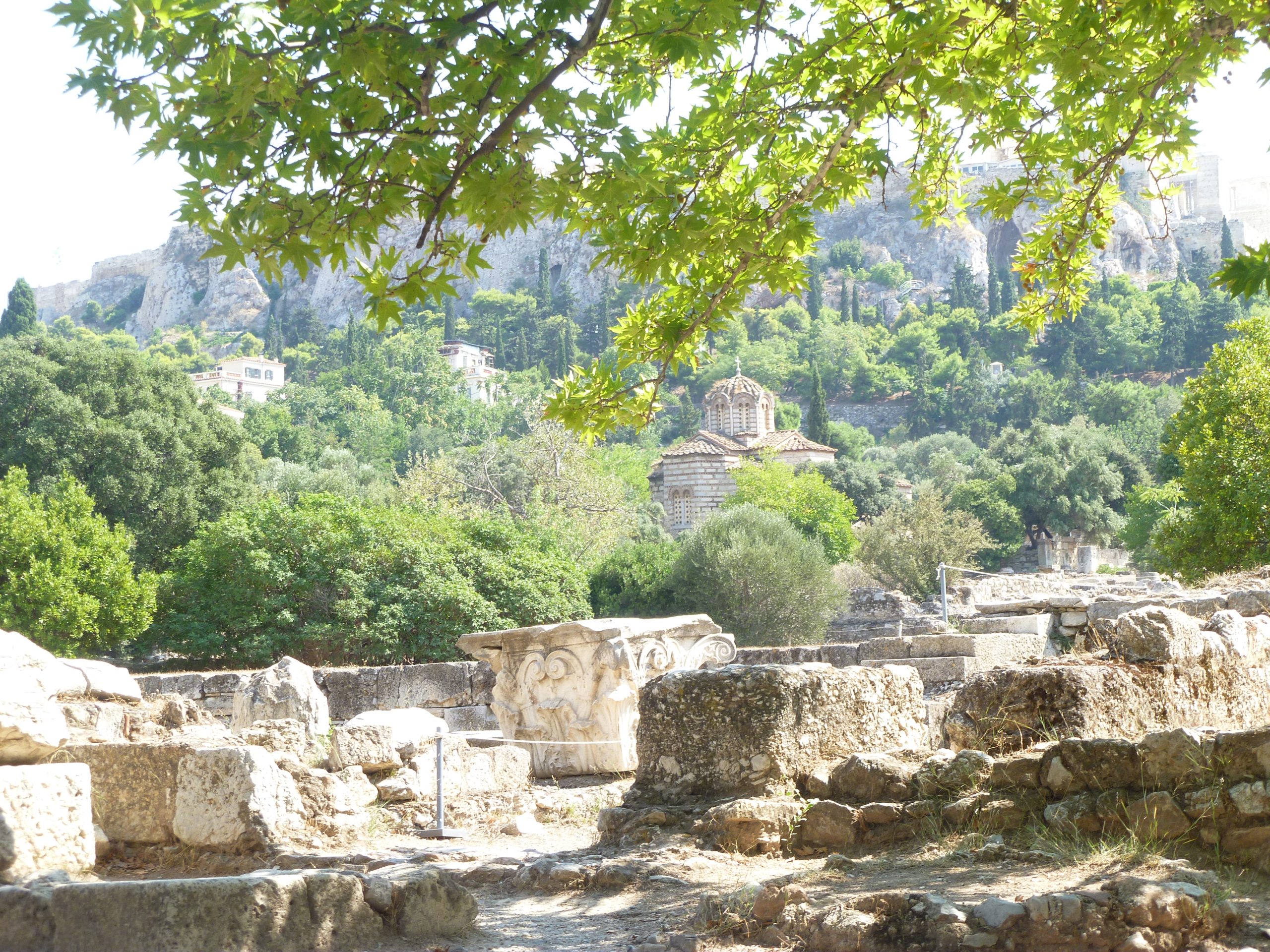
Athens isn’t just about the classical Greek ruins.
The Roman Agora is another archaeological site worth visiting and was built during the Roman period of Athens. It sits in the Plaka area and is much smaller than the Acropolis, meaning you can easily include it while exploring the surrounding neighbourhood.
The site currently has its own admission ticket which is €10.
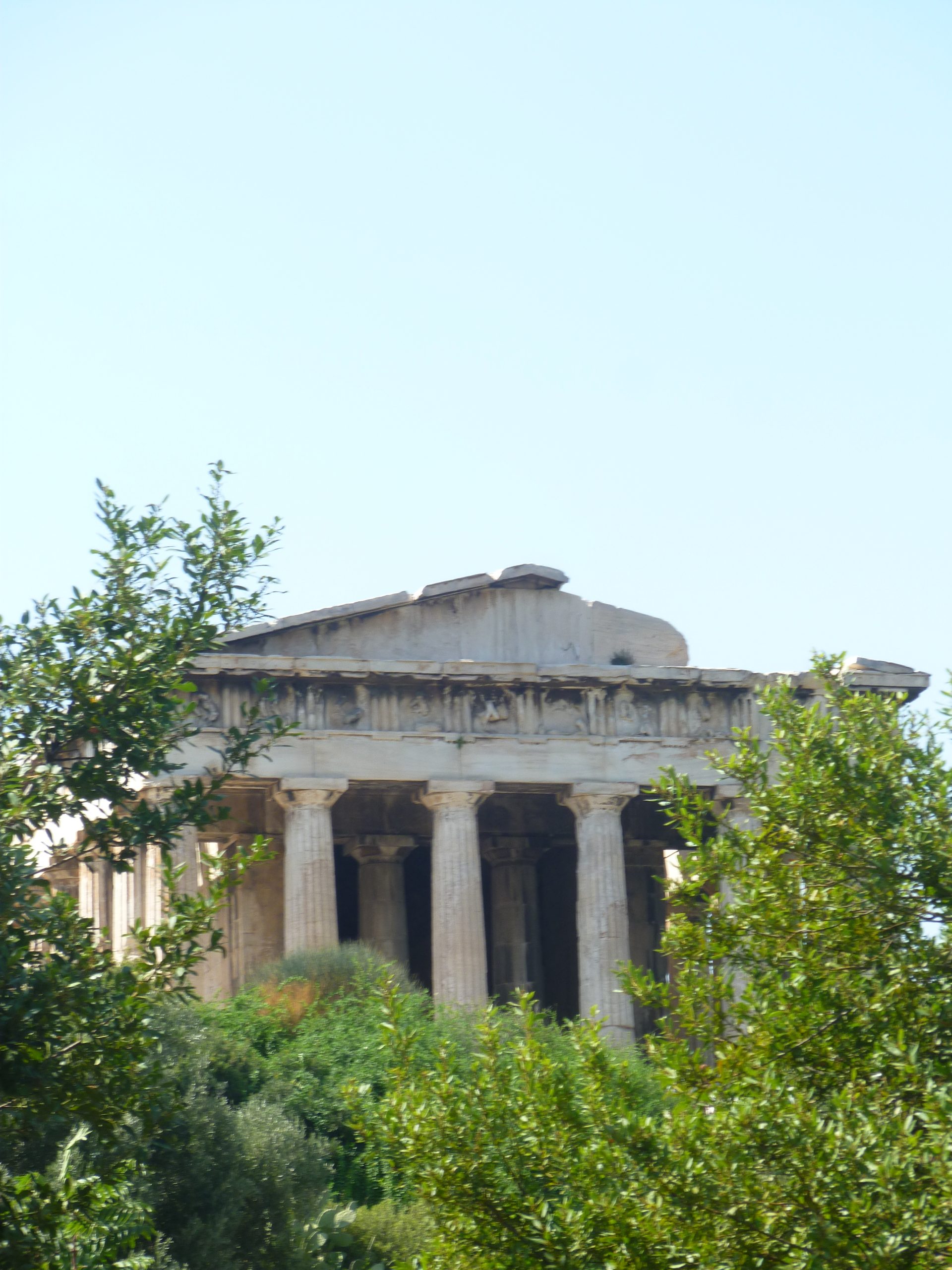
If you’re already interested in the history of Athens, it’s worth adding to your list because it shows how the city continued to develop long after the height of Classical Greece.
Hadrian’s Library
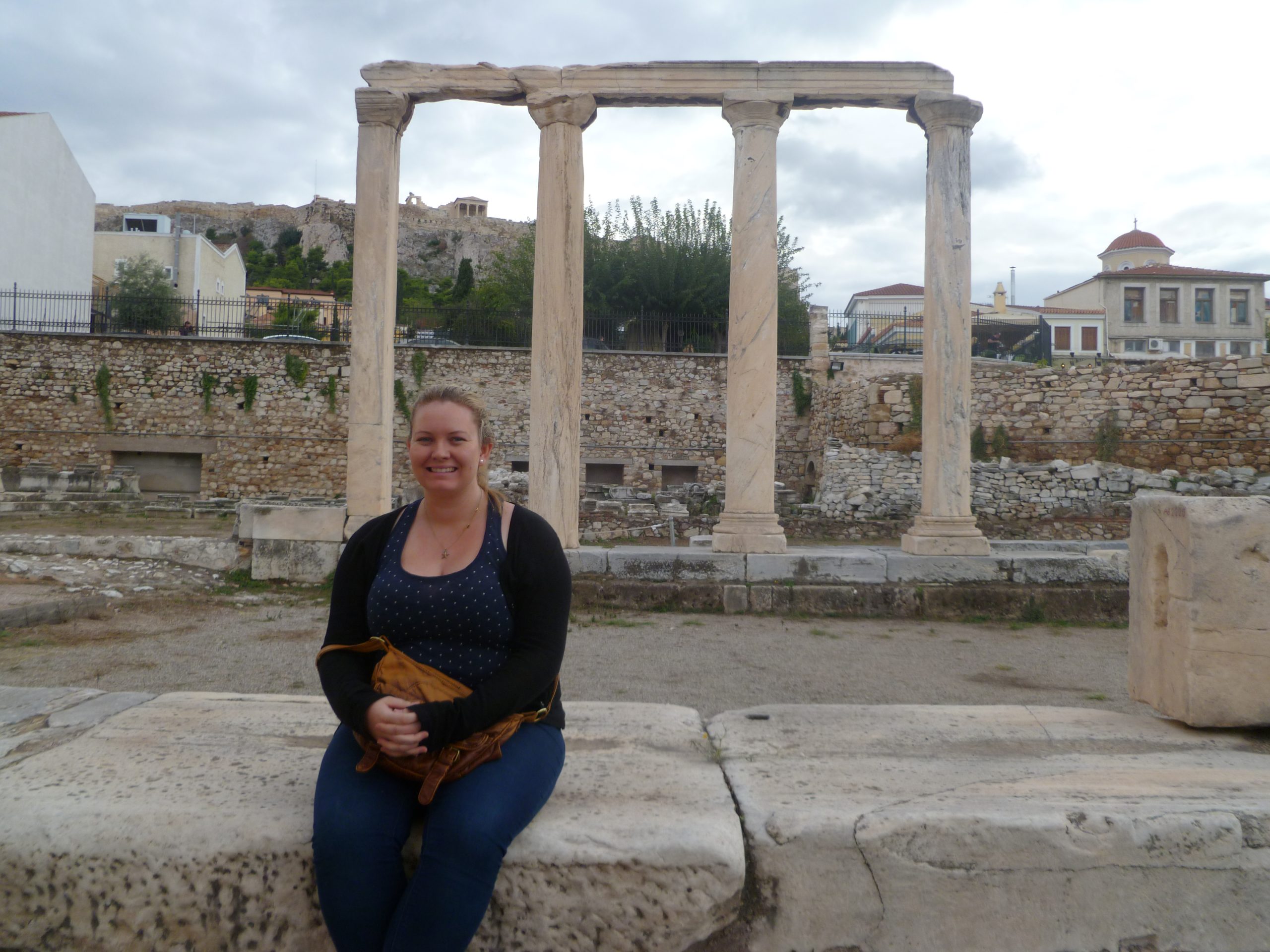
Despite the name, Hadrian’s Library wasn’t simply a library in the modern sense.
The complex was built by Roman Emperor Hadrian in AD 132 and included spaces associated with books, lectures and other activities. It was later damaged and modified over the centuries.
It is located close to Monastiraki, so it is another easy archaeological site to add while exploring this part of Athens.
This is one of the things I love about Athens. You don’t necessarily need to spend the entire day travelling from one attraction to another. You can be walking around a modern neighbourhood, turn a corner and find yourself looking at something that has been standing there for nearly 2,000 years.
The Temple of Olympian Zeus
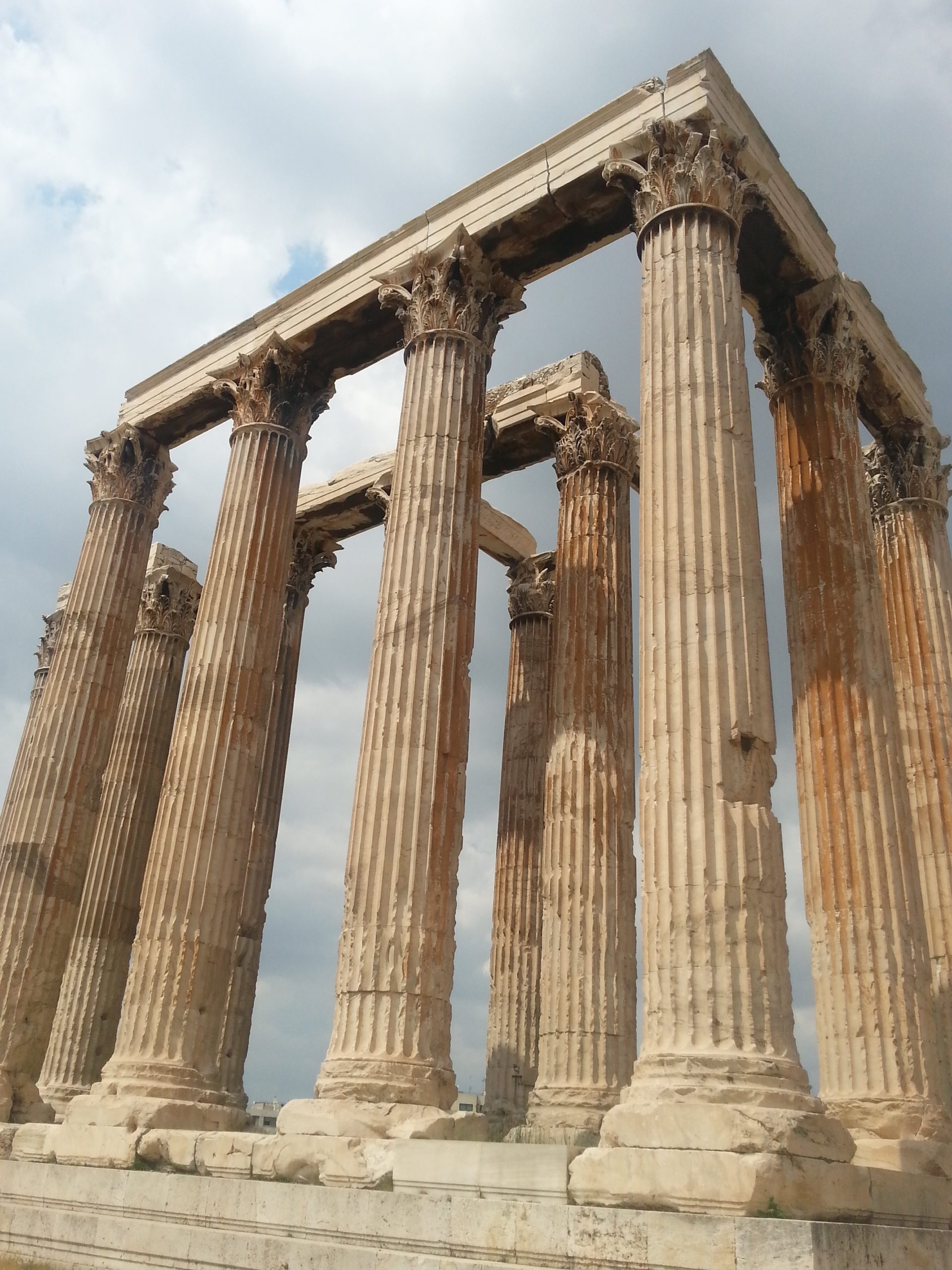
This enormous temple was dedicated to Zeus and was one of the largest temples in the ancient world.
Only some of the columns remain today, but when you stand beside them you can get an idea of just how enormous the original structure must have been.
The site is also conveniently located within walking distance of other central Athens attractions, making it easy to combine with a day exploring the Acropolis, Plaka and surrounding archaeological sites.
Lycabettus Hill

If you’re looking for a different view of Athens, head up Lycabettus Hill.
At around 277 metres above sea level, Lycabettus is the highest point in central Athens and gives you views across the city.
You can either walk up the hill, or there is a funicular railway if you would rather save your legs.
This is particularly nice around sunset when you can look out over Athens and see the Acropolis from a completely different angle.
After spending so much time looking up at the Acropolis, it is nice to find somewhere where you can step back and see the city as a whole.
The National Garden
For a break from archaeological sites and busy city streets, head to the National Garden.
Located next to Syntagma Square, the gardens are a nice place to wander around and take a break from sightseeing.
Athens can be hot, particularly during the summer months, so having somewhere green and shaded to escape to for a little while can be very welcome.
It is also close to several other central attractions, so you don’t need to make a special trip across the city to visit.
Try some Greek food
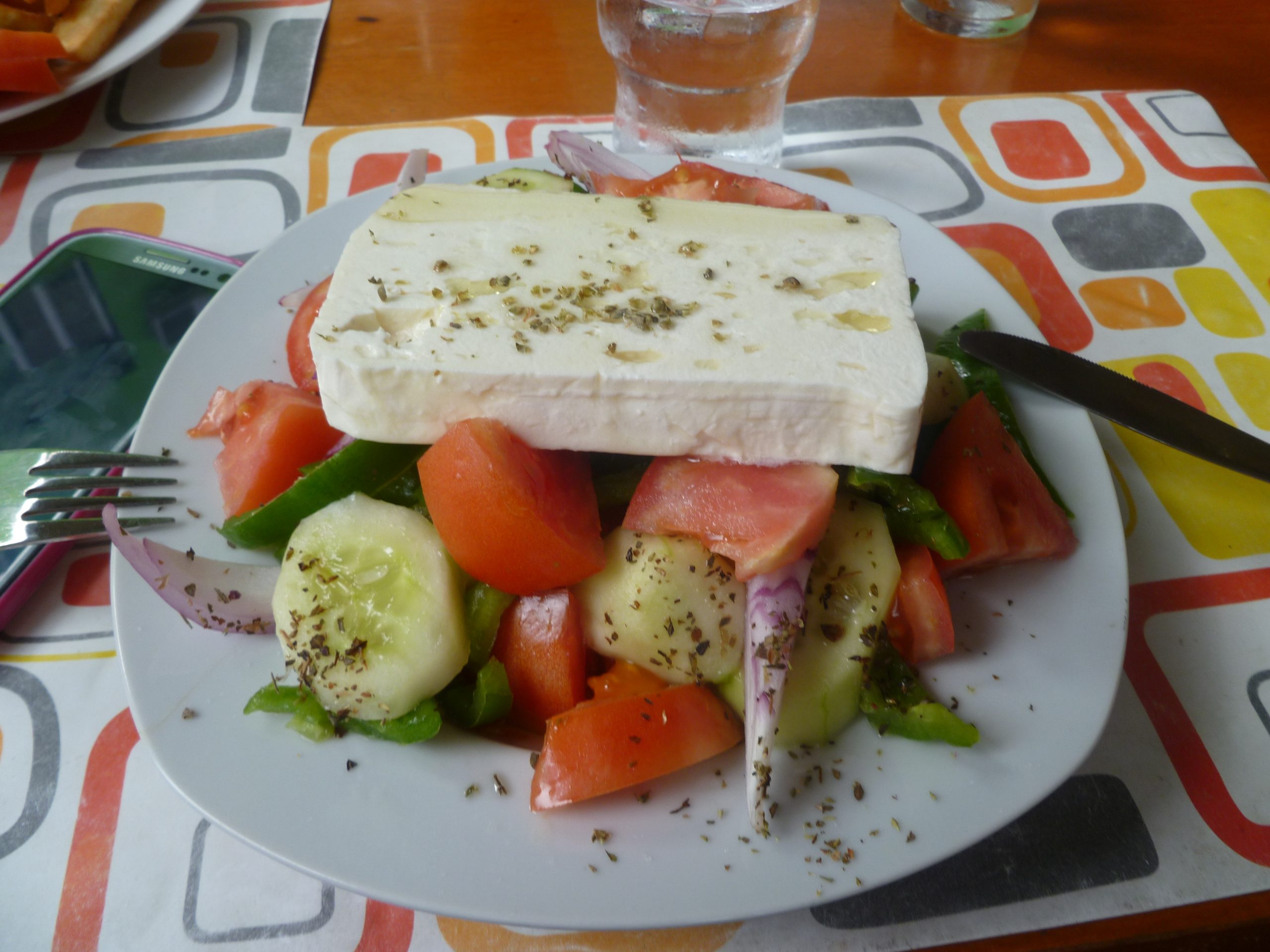
You can’t visit Athens without eating plenty of Greek food.
There are the classics such as souvlaki and moussaka, but there are so many other things worth trying while you’re there.
A few of my favourites and things I’d recommend looking out for include:
- Greek yoghurt with honey and walnuts
- Dolmades
- Moussaka
- Souvlaki
- Greek salad
- Fresh seafood
- Spanakopita
- Baklava
And don’t underestimate the simple things. Greek yoghurt with honey and walnuts might not sound particularly exciting, but having it in Greece just feels different.

One of the best parts of travelling is eating the local food, and Athens gives you plenty of opportunities to do exactly that.
Day trips from Athens
If you’re spending more than a couple of days in Athens, there are also several places you can visit as a day trip.
Corinth
Corinth is an easy option if you want to see more ancient Greek history outside Athens.
The ancient city was strategically important because of its location between mainland Greece and the Peloponnese, and the archaeological site contains the remains of temples, roads and other buildings.
Delphi
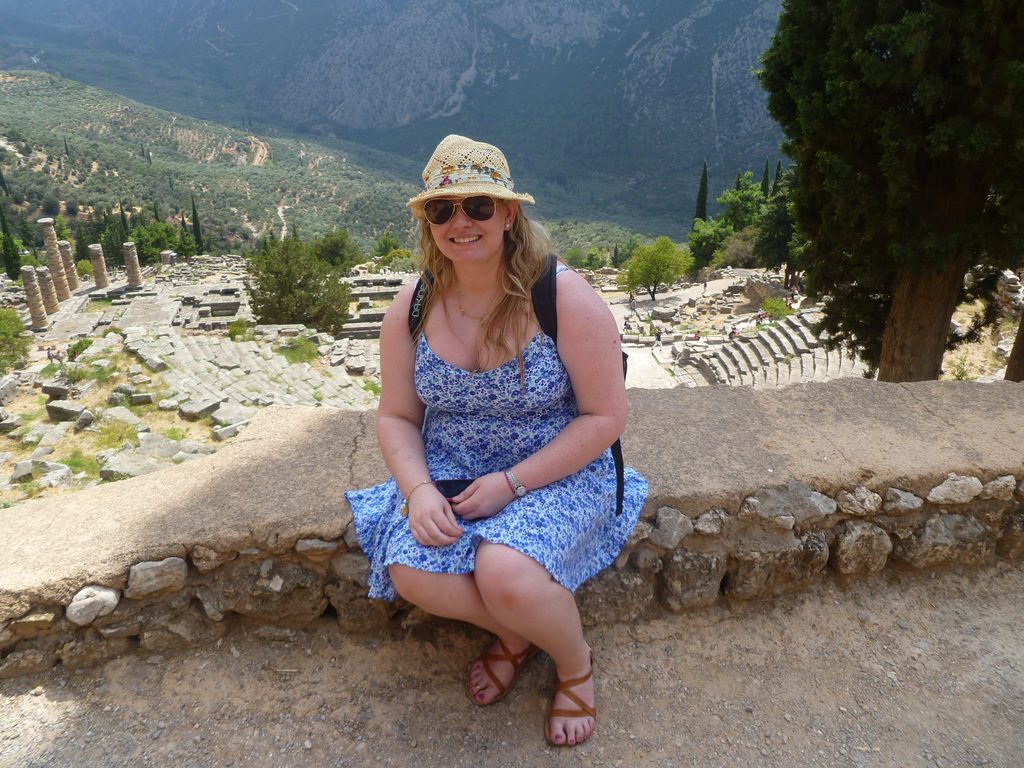
Another popular day trip is Delphi. Located 2 hours noth of Athens, Delphi was one of the most important religious sites in the ancient Greek world and was home to the famous Oracle of Delphi.
I actually included Delphi and Corinth in my other post about the historical places not to miss in Greece, so if you’re planning a history-focused trip around Greece, it is definitely worth looking at how you can combine these destinations.
Frequently asked Questions
How long do you need in Athens?
I would give yourself at least 3 days in Athens if you want to see the major sights without feeling like you’re rushing from one attraction to the next.
You could fit the Acropolis, Acropolis Museum, Plaka, Roman Agora, Hadrian’s Library and Monastiraki into a busy couple of days, but having an extra day gives you time to slow down, explore neighbourhoods, visit museums and simply enjoy the city.
If you are interested in history like I am, you could easily spend longer.
And honestly, I would recommend it.
Athens is one of those cities where I think it pays to slow down. Don’t just tick off the Acropolis and then head straight to the airport or ferry port for the Greek islands.
Spend some time walking the streets, eating Greek food, finding ancient ruins tucked between modern buildings and sitting somewhere with a view of the Acropolis.
Is Athens worth visiting?
Absolutely.
Athens was one of my favourite stops in Greece, and the fact that I extended my first trip and then returned a few months later probably says enough.
It has the history I love, but it isn’t a city that feels like it belongs entirely in the past. Ancient ruins sit alongside busy streets, modern restaurants, rooftop bars and everyday Greek life.
And while plenty of people use Athens as a quick stopover before catching a ferry to the Greek islands, I think the city deserves more than a rushed day.
If you’re planning a trip to Greece, give Athens a few days.
You might find, like I did, that you don’t want to leave quite as quickly as you thought you would.
Is Athens easy to get around?
Yes! One of the things I really like about Athens is that the main tourist areas are surprisingly easy to explore on foot. If you stay somewhere around Plaka, Monastiraki, Syntagma or near the Acropolis, you can walk to many of the major sights without needing to use public transport for every trip.
How do you get from Athens Airport to the city?
There are a few options for getting from Athens International Airport into the city.
The Metro Line 3 runs directly from the airport towards central Athens, with stops including Syntagma and Monastiraki. This is a convenient option if you are staying in central Athens and don’t want to deal with traffic.
There are also 24-hour Airport Express buses, which can be particularly useful if you arrive late at night or early in the morning. The X95 connects the airport with Syntagma Square, while the X96 runs between the airport and Piraeus Port.
The journey time by bus depends on traffic, so allow extra time if you are travelling during busy periods.
Is there public transport in Athens?
Yes! Athens has an extensive metro system with three main lines, and it is one of the easiest ways to get around when you don’t want to walk.
There are metro stations close to many popular attractions, including Acropolis, Syntagma and Monastiraki, making it particularly useful for visitors.
Athens also has buses and trams, all forming part of the city’s public transport network.
The trams are particularly useful if you are heading towards the southern suburbs and coastline, while buses can take you to areas that aren’t directly served by the metro.If you are staying mainly around the historic centre, however, you may find yourself walking most of the time and only occasionally needing public transport.
Can you get from Athens Airport directly to Piraeus Port?
Yes. The X96 Airport Express bus runs directly between Athens International Airport and Piraeus Port, making it a useful option if you are flying into Athens and catching a ferry to one of the Greek islands.
There is also a metro option, although it involves using Metro Line 3 and connecting with the wider metro network. If you have luggage and are heading straight to a ferry, the direct X96 bus can be a very convenient option.
How do I get from Athens to Piraeus Port?
If you’re heading to the Greek islands, chances are you’ll eventually find yourself at Piraeus Port.
You can reach Piraeus by metro, bus or taxi. Metro Line 1 connects central Athens with Piraeus, while the X96 Airport Express bus provides a direct connection between Athens Airport and Piraeus.
There is also the X80 Piraeus–Acropolis–Syntagma Express bus, which operates seasonally from May to October and connects the cruise terminals and Piraeus with central Athens, including the Acropolis and Syntagma.
If you are catching a ferry, make sure you check exactly which terminal your ferry leaves from, as Piraeus is a large port.
What is the best time of year to visit Athens?
The shoulder seasons are the best time to visit Athens. I would look at March to May or September/ October if you have some flexibility with your dates.
The summer months can be very hot, particularly when you’re spending hours walking around archaeological sites with very little shade. The shoulder seasons give you a better chance of enjoying Athens without the intense summer heat and with fewer crowds.
September and October are particularly appealing if you want warmer weather, while March to May brings spring weather and longer days as the season progresses.
Athens has a Mediterranean climate, with hot, dry summers and generally milder winters.
Of course, if you’re combining Athens with a Greek island holiday, your choice of dates may depend on what you want to do once you leave the city.
Can you flush toilet paper in Greece?
This is one of those things you will want to know before you arrive!
No.
Don’t flush your toilet paper down the toilet in Greece unless the toilet specifically says that you can.
In many Greek bathrooms, you’ll find a small bin next to the toilet where used toilet paper should be placed. The plumbing and sewage systems in some buildings aren’t designed to handle toilet paper in the same way as you may be used to at home.
It might feel strange at first, but you’ll quickly get used to it. If there is a sign in the bathroom telling you not to flush paper, follow it!