
Tiny Kit, Big Lifesaver: My Travel First Aid Essentials
Disclaimer: This is not medical advice. Always seek professional advice.
I actually started writing this after something happened on a group trip that genuinely surprised me.
A lady took a nasty fall and badly cut her leg, and out of 20 people, I was the only one carrying a first aid kit. I was completely gobsmacked! It made me realise that so many people simply don’t think about packing one.
For me, a first aid kit is one of those travel essentials I never leave home without. Whether simply for some pain relief for a headache, treating blisters after a long day of walking, or dealing with something more like that lady’s injured leg, I always seem to end up using something from it.
Having a basic first aid kit is especially important when you’re travelling. Depending on where you are in the world, medical care may not be close by, pharmacies can be difficult to find, and language barriers can make it challenging to explain what you need or ensure you’re buying the right medication or supplies.
Being prepared can save you time, stress, and potentially prevent a small problem from becoming a bigger one.
The good news is that you don’t need to spend a fortune on an expensive pre-made kit. Personally, I find many of the standard ones are fairly limited, unless you buy one designed for a specific activity.
I prefer to build my own so I can include exactly what I need and tailor it to the type of trip I’m taking. I’ve even made one for my sister, who spends a lot of time hiking and camping in the back country, so it includes items that suit the kind of adventures she goes on. That’s the beauty of putting together your own kit—you can customise it for your destination and your activities.
My travel First aid Essentials
1. The Bag
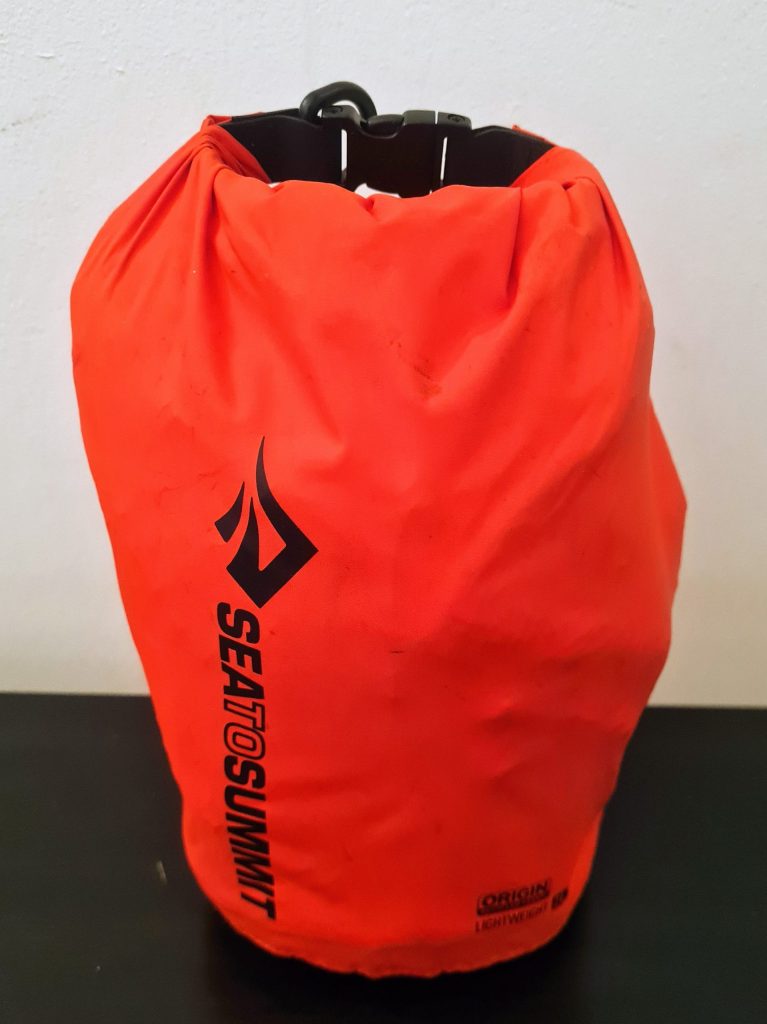
As I mentioned earlier, it doesn’t need to be fancy- if you have a spare make up or toiletry bag hanging around you can use that. I use a Sea to Summit 2 litre dry bag as mine.
I bought mine in red so it’s easily identifiable, a 2 litre is big enough to fit all the essentials for travelling, but I also use it as my hiking and camping first aid kit too, so I like that the bag is waterproof and I can easily clip it onto my backpack too.
Inside the bag I separate medications and dressings into 2 zip lock bags, so it is easy to find what you’re looking for in a hurry.
I also like my dry bag option as i have ended up using it as a actual dry bag many times, where i needed a dry bag , but didn’t know I would need one!
2. Dressings
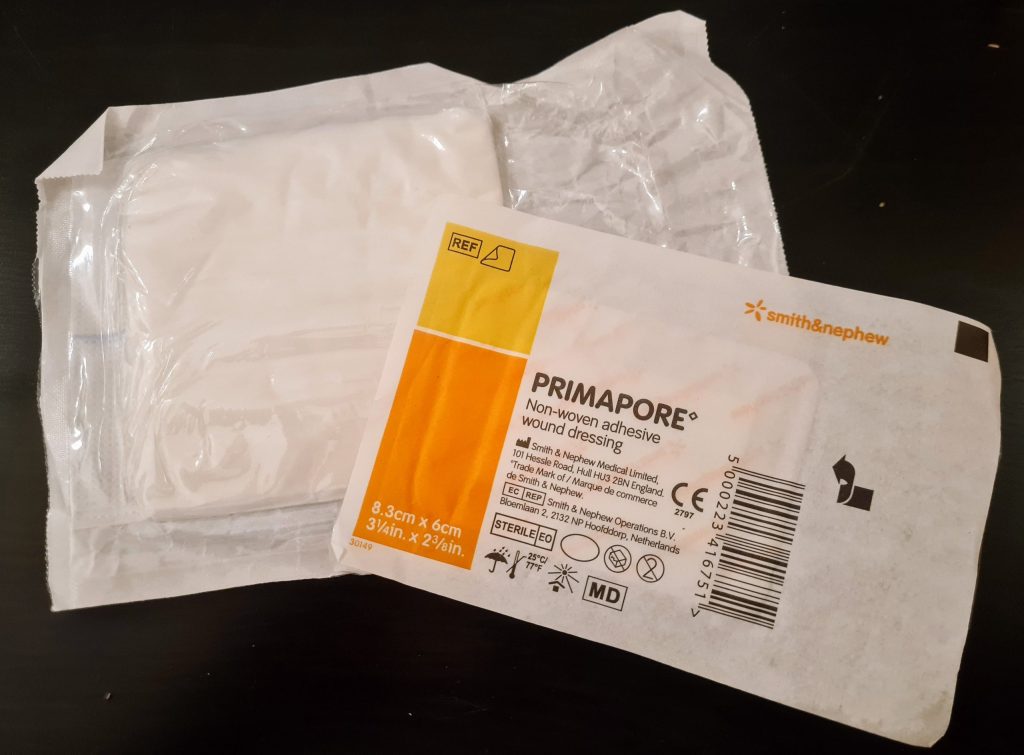
I always have an assortment of dressings in my first aid kit, these range from different sizes to waterproof and high absorbency dressings.
- Band -aid x 6
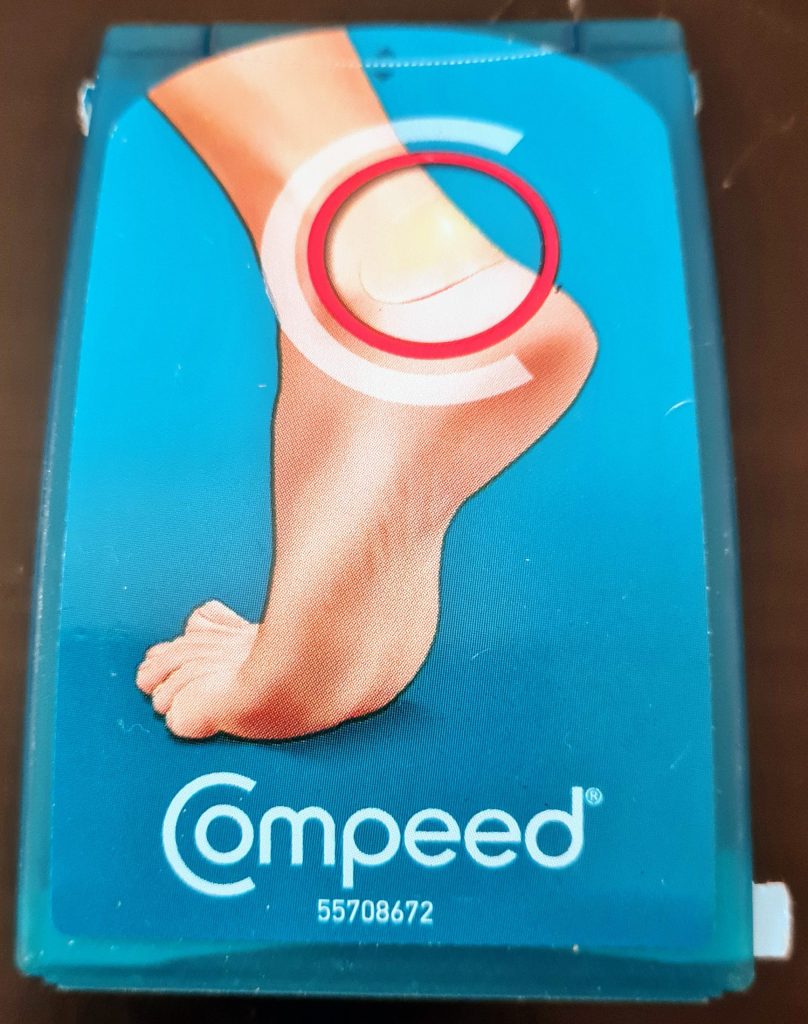
- Blister Bandaids
- Waterproof dressing x 2
- Non water proof adhesive dressing x 4
- Non- adhesive dressing x1
- Combine (high absorbancy)
- Crepe bandage (you can use this wrap around a non stick dressing to secure it)
- Steri-Strips – if you know how to use Steri-Strips – great! Put them in your first aid kit. If you don’t, skip them.
3. Ointments
- Stingose gel – this is for insect bites or stings
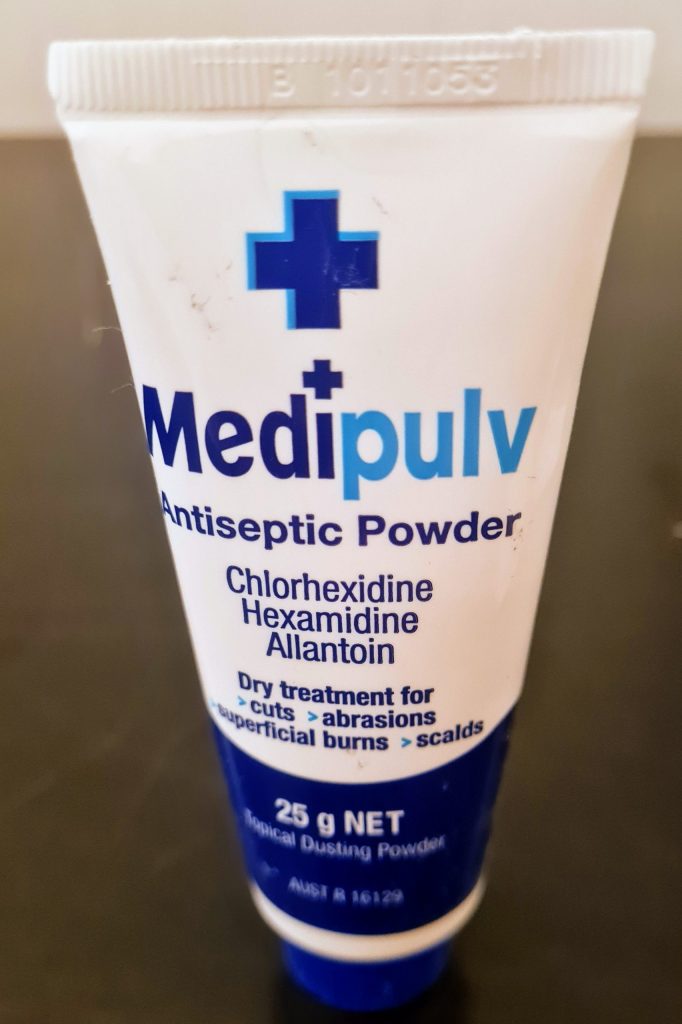
- Antiseptic powder- I personally prefer a chlorhexidine powder over a liquid or gel/cream as it is light, generally less messy than a liquid solution, but if you need to, you can mix it with some water to turn it into a solution.
4. Medications
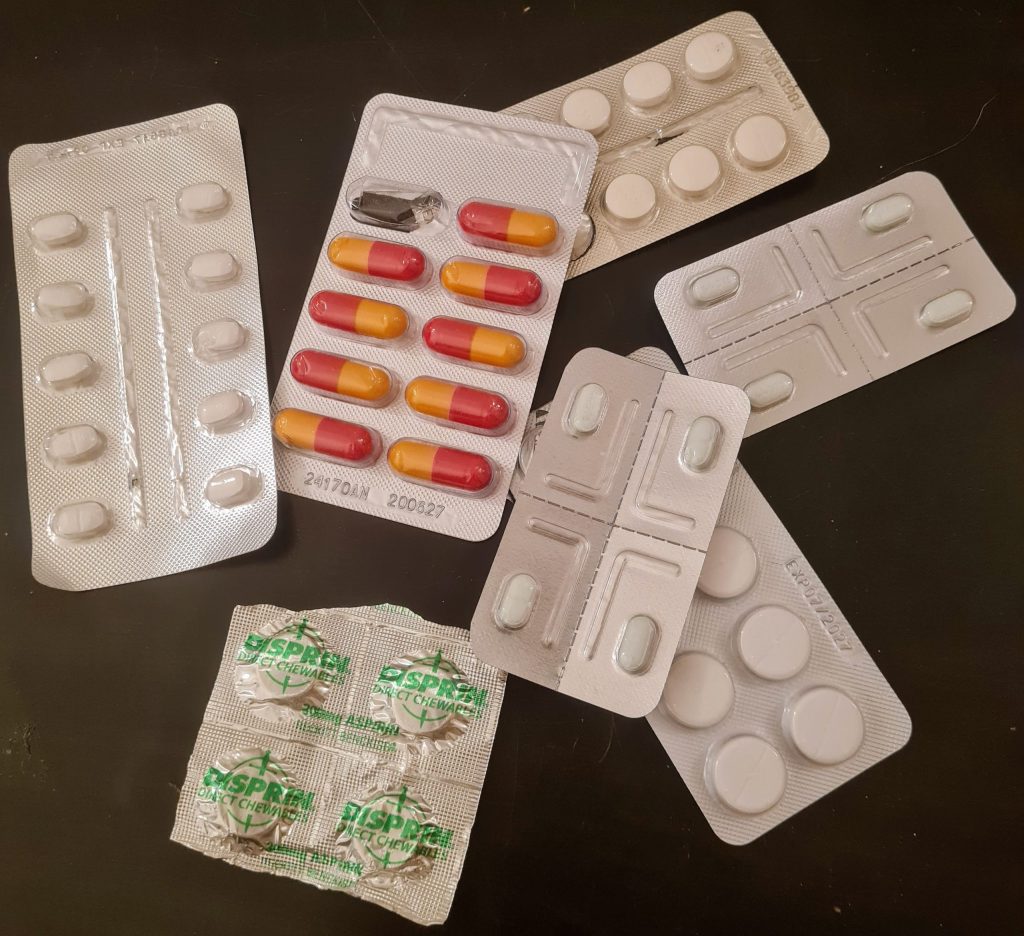
- Analgesia – Paracetamol, Aspirin
- Anti- Inflamatories – Ibuprofen
- Anti-Emetics (anti Nausea/ sea sickness) such as Dramamine or travel calm
- Anti Histamines- cetirizine or Fexofenadine
- Anti – Diarrhoea- Loperamide
- heartburn/ GORD/Reflux tablets- Omeprazole or Sodium bicarbonate
- Electrolytes – Hydralyte
- Cold and Flu tablets
If you’re not sure how many tablets of each medication you can take at a time or how often to take it, it can be a good idea to add it on a small sheet of paper which you can keep in the bag with the medications.
5. Miscellaneous
- Disposable gloves x 2
- Emergency blanket
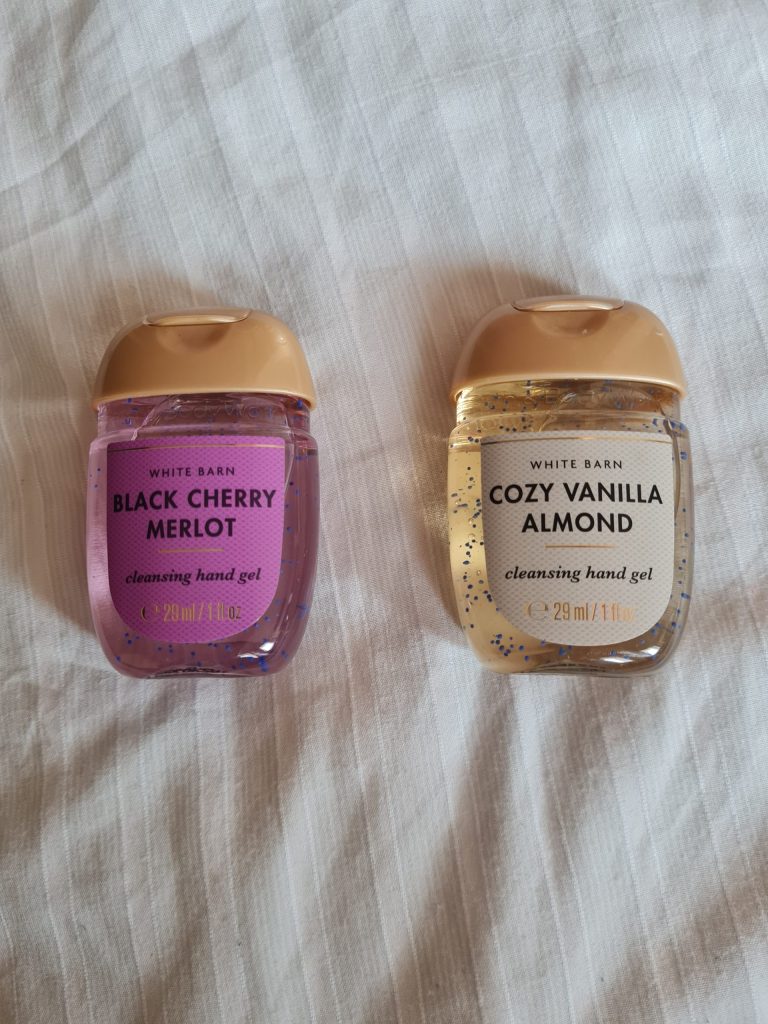
- Hand Sanitiser- I will normally have this in my handbag or back pack, but if you don’t, your first aid kit is an ideal place to keep it too.
- Safety pins
- Tampons
- Face Mask
- Alcohol wipes x4
- Sunscreen – I will normally keep this in my toiletry bag, but some people like to keep it in their first aid kit instead – it’s up to you!
6. Personal Health
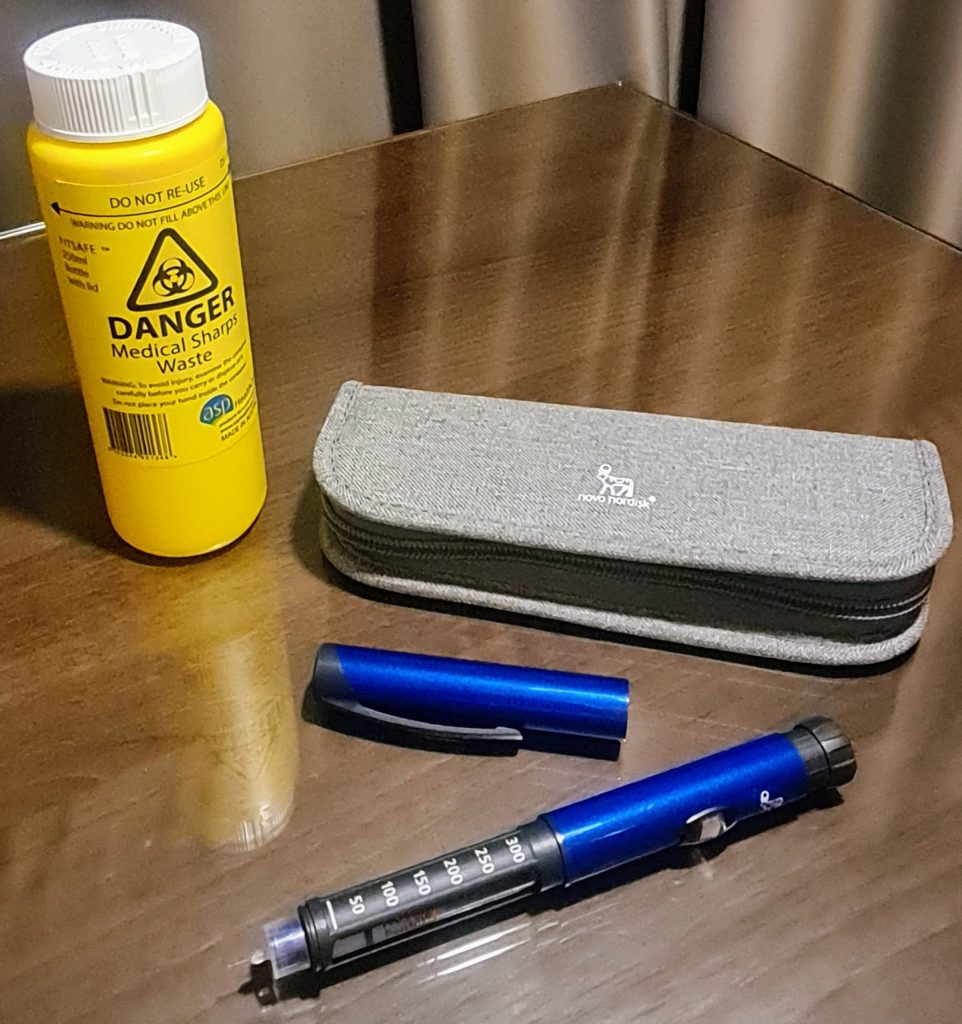
If you have any health conditions, especially a condition that could turn into an emergency very quickly, make sure that those you are traveling with you are aware of your condition, but also know what to do in a situation where you could be incapacitated and unable to tell them.
For example when I was first diagnosed with Diabetes, when they had originally thought that that I was type 1, I made sure that my family members knew how to use a blood glucose monitor, what the numbers meant and how to give me either Insulin (and how to use the pen and how to inject it) or Glucagon Pen, but also where I keep my glucose gels if I needed sugar urgently.
- When travelling with health conditions, always make sure you have extra medication with you, I always make sure I have a minimum of 2 -3 weeks extra as you never know what will happen- war, pandemic, typhoon, flight cancelled- you just never know! This should also always be carried in your carry on luggage and not your checked, just in case the airline loses your bag!
- If you take controlled drugs, make sure you get a letter from your doctor stating that this is a prescription medication for you and how much and often you take it. Always carry this medication in the original packaging, as some countries may try to confiscate it from you. -Yes this can actually happen, especially if they are illegal in the country you’re going to!
- I always like to keep a little card in my wallet stating my health condition and the medications that I am on, when I take it and how much I take. I also have it on my phone. In both Androids and Iphones there is a health and safety feature that you can update with your condition, allergies, blood type and other relevant information and choose if you want it to come up on your locked phone screen or not. Especially when I am travelling solo I make sure that I have this feature on. There is also space for your phone to add emergency contacts and to automatically call emergency services, if that is what your condition requires.
7. Extras
Not just for travel, but for everyday life, doing a basic first aid course and learning how to do CPR is always a good idea! You never know when you might need it!
- Red cross App- this can work offline and has step by step guides for CPR and other medical emergencies, it also contains emergency services numbers for every country in it. And if your interested there is also a learning component that you can learn about basic medical emergencies too.
- What 3 words App- A great app where every 3 metres squared in the world has its own unique 3 words to help determine your location. a great app for nagivation, emergencies and search and rescue.
- Emergency Plus – Australia Only– This app uses your phones GPS location to help emergency services find you. A quick way to call 000, SES or Police assistance.
8. Vaccinations
Before heading off overseas, make sure to check whether your destination requires any vaccinations. Some countries have entry requirements for vaccines such as yellow fever, while others may recommend protection against diseases like Hepatitis A and B, Typhoid, Cholera or Malaria.
Depending on where you’re travelling and the activities you have planned, a good place to start is your country’s official travel health advice. Smartraveller (Australia), the CDC (Centers for Disease Control and Prevention) in the United States, or the NaTHNac Travel health pro website in the UK.
These are all great resources where you can search by your destination(s) for vaccination and other travel health related information. If you’re unsure what you need, book an appointment with a travel health clinic or healthcare provider who specialises in travel medicine.
They can discuss any health risks specific to your destination, recommend the appropriate vaccinations, and administer them if needed. As some vaccines require multiple doses or need time to become effective (or there could even be a shortage of the vaccine at the time), it’s best to organise your travel health appointment at least 2-3 months before you leave.
Check out my Downloadable Travel First aid checklist here
Adventure-Ready: My Hiking Travel First Aid Kit
In addition to my regular first aid items, when I go hiking, camping or anything else outdoors related, I like to add in a few extras!
Hiking Extras
- Snake bite bandage – absolutely crucial for hiking in Australia, and for many other countries too. In Australia they are readily available in pharmacies and outdoor shops. There are instructions on how to use it on the package, but its always good if you already know how to use it!
- Triangle bandage- good for a broken arm or wrist, but can also be effective as a tourniquet too. Ideally learn how to fold and tie one before you have to tie it around someone’s neck.
- Water tablets- whether you prefer a water filter or not, having some water purification tablets as a backup is always a good idea.
- Instant Ice pack
- A small ampoule of sterile saline or water, this is mostly to wash a wound especially if you don’t have a clean water source nearby. – nice to have but not absolutely necessary.
- A Bivy bag
- Extra salt and Sugar sachets x 4 each
How to make your own Emergency Electrolyte solution
1 litre of Water
¼- ½ Teaspoon of Salt
2-4 tablespoons Sugar
This is a great solution to carrying something like Hydralyte or if you have run out and still require some electrolyte solutions.