
How to Survive Staying in a Hostel Without Losing Your Mind
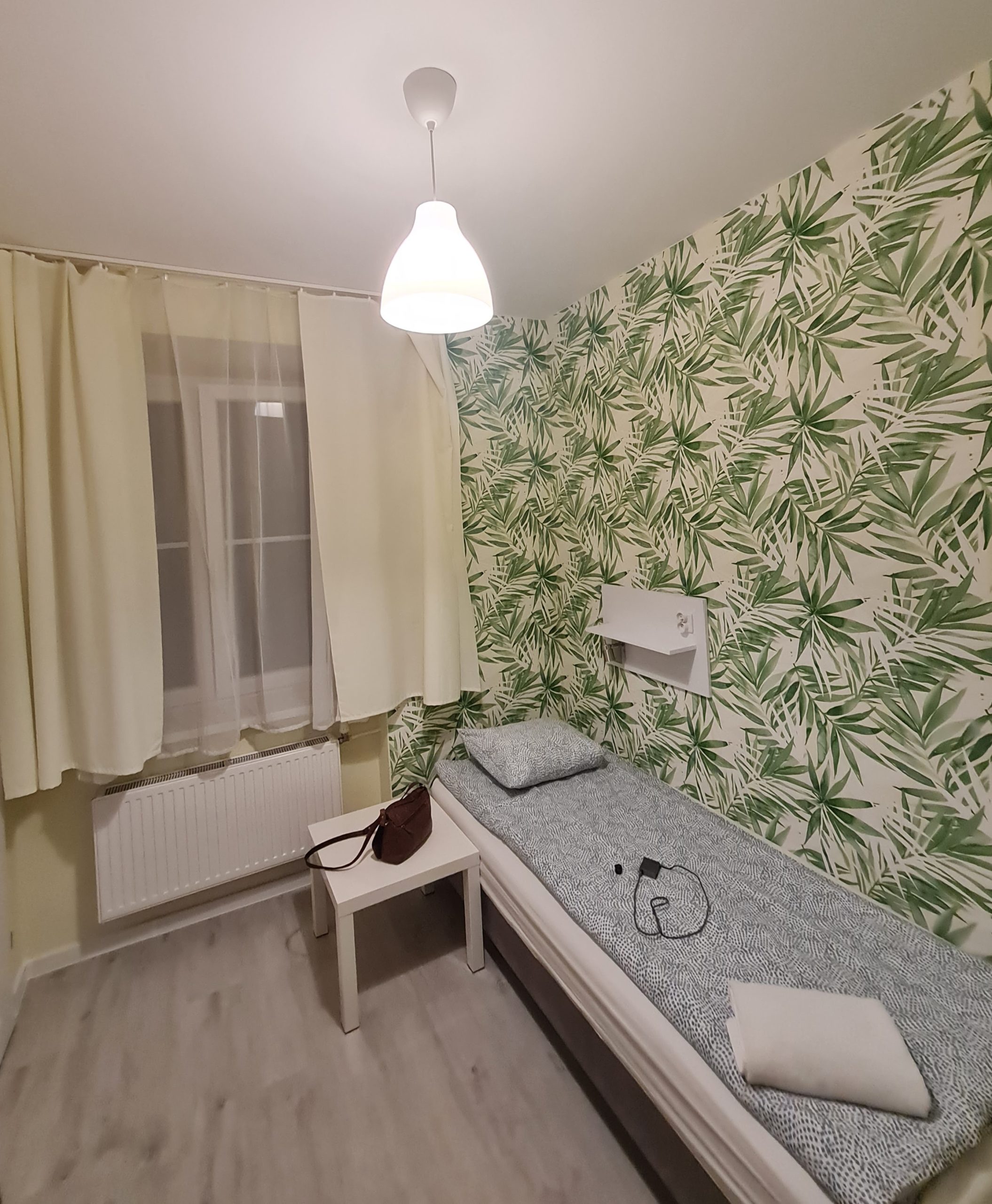
As much as I would love to say that I stay in 5 star hotels for all my travels or even hotels for that matter, the reality unfortunately is very far from that!
Visiting over 60 countries and most of these during my 20s, there is no way I could have afforded to go to half of the places I have been without staying in hostels. I know they are not for everyone, with people claiming they wouldn’t be able to share a room with strangers or they prefer privacy, and with the rise of social media, how can you show off your amazing view from your hotel room?
But when your a solo traveller and your paying the same amount, or sometimes even more for for a hotel room, compared to 2 people, it really does annoy me. If your a single person, you would have heard of it, its called the singles tax.
But many people often don’t have a choice if they want to travel and see the world, their only choice is a hostel. Don’t get me wrong, there are plenty of people who enjoy staying in hostels, especially while young and like the social aspect of hostels. For me, over the years as I got older I’ve moved on from this stage, to instead the how can I make this experience as painless as possible?
So once a upon a time when trip advisor and google reviews didn’t exist, I used to be the type of person who just looked at the price and maybe sometimes a map and booked the cheapest one I could find.
I still remember getting a place for €6 a night in Athens and thinking yea, this is alright, and then a couple months later back in Athens paying €20 a night going….. yea, okay- I get it! As I’ve gotten older and travelled more, and therefore stayed in more hostels than I can count, I have learned a lot of tips to help chose a good hostel that is not only convenient, but will help me keep my sanity, have a good chat with someone and most importantly get some sleep!
1. Location, Location, Location!
First things first, pull up a map of the city you want to stay in. Look at where some of the attractions that you want to see and do and where the city centre is, then I start searching.
I will normally use my phone as a map and use my laptop to search hostels so I can easily compare where they are located on the map and not constantly change tabs or flip from maps to accomodation lists.
I tend to look for hostels that are closer into town than far out as it makes it so much easier for things you want to do. I am also looking to see if they are close to public transport, which is especially important if this is how you are travelling!
You don’t want to be lugging your heavy bag 5 km from the train station to your hostel!
Also another thing to consider is if you plan on going out at night and whether your in a safe city or not, but that you also don’t have to go a long way to get food.
Examples of when I have stuffed up on location myself are 2 times I still remember very clearly, one right after the other as it happens in Austria. I arrived so late in to Vienna at the bus station with, of course with alcohol poisoning, as you do in your 20’s, so not exactly feeling my best and somehow had managed to book a hostel that was a good 7 km out of the city that I ended up walking for ages until I could find a taxi (none were at the bus station). Also the local buses had almost stopped at that time of night and would have taken 2 hours to get there!
I then managed to do the same a few days later when I arrived in Salzburg – luckily that one was a bit closer to the centre and I could walk to the centre of town from it about 2 km away, but there were not any cafes, restaurant’s or shops around, so I ended up having to eat in town before walking back to the hostel, where there was limited street lighting and didn’t feel very safe.
And this is why I say location, location, location!
2. Booking and Prices
I always tend to start my search for hostels using the website Hostel world and booking.com.
I like to see what types of rooms are available on their platforms and compare those prices and read the reviews on both sites for the hostel (and on google maps!), after I’ve narrowed down my search to a few different ones within the location I want.
I then also check the hostels website to see if they have better rates or room options available, as not all room options may be on those sites and have only chosen a select few to advertise. I then work my way down this list to compare my options. I also do try and book far in advance if I know Im going to be in a popular place at a busy time of year, as you have a lot more choice of where to stay rather than chose the only option left!
3. Rooms
I am a unfortunately a very light sleeper, which sometimes makes it very hard to sleep in a hostel. Yes- there are private rooms available in many hostels, but I honestly don’t know why some are so expensive that a budget hotel ends up being cheaper! I don’t understand!!! The Maths ain’t mathing! I would also rather put my money towards activities instead.
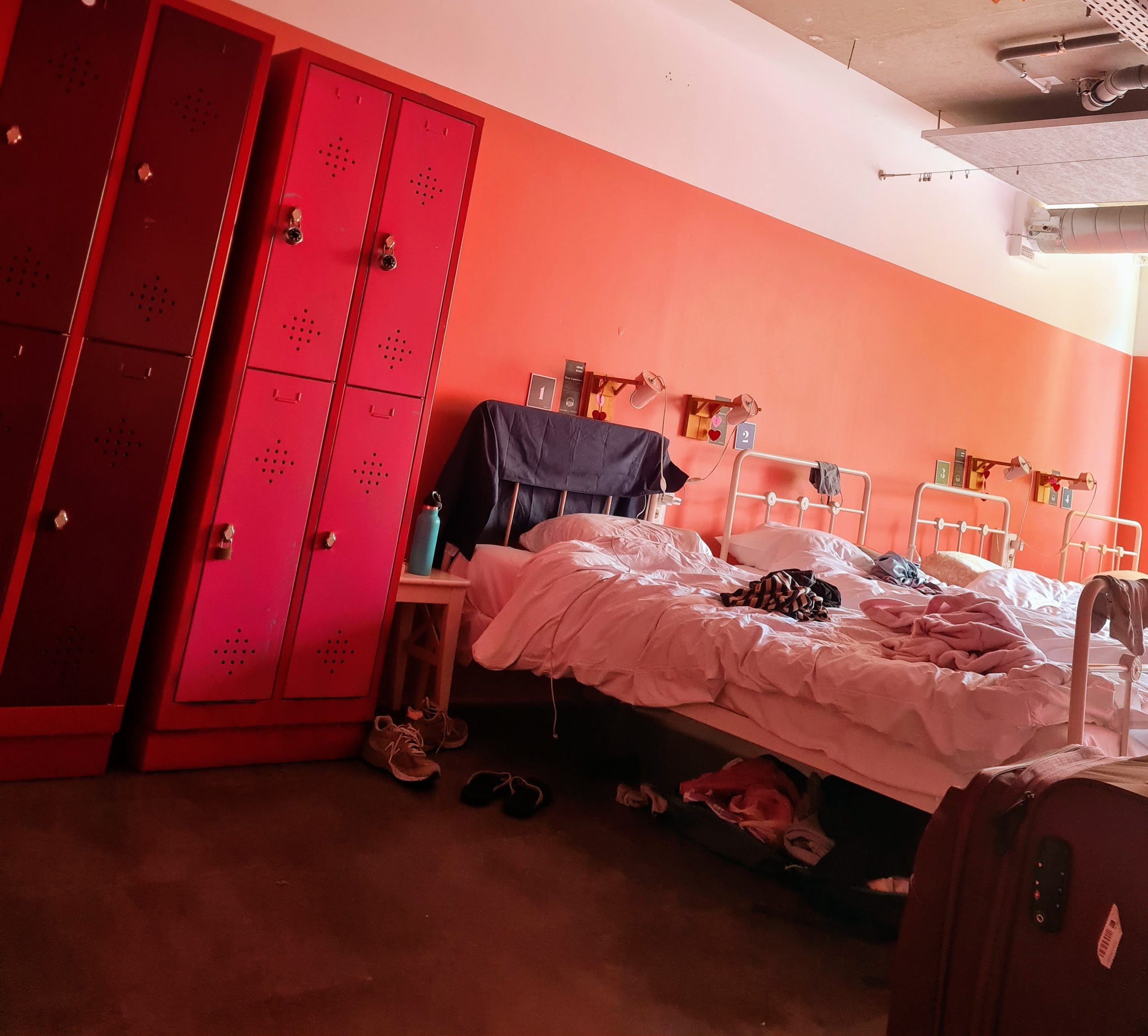
For rooms I will always try and go for the smallest amount of beds per room. In most cases this is either 4, 6 or 8 beds depending on the hostel. I will also always get a female only dorm if possible/available. Both of these are generally more expensive than a co-ed, large amount of beds room, but the amount of times I have gotten stuck in a co-ed room and been the only female in the room, where Ive felt very uncomfortable and unsafe is one too many times! These days a hostel option will immediately be eliminated off my list of options if they don’t have a female dorm option. I would rather spend a couple of dollars extra a night and get a female room and feel safer, but smaller rooms always tend to have less noise too.
4. Rooms with curtains and type of beds
This is where looking at the pictures of the room comes in handy! What do the rooms look like? What do the beds look like? Are they sturdy wooden ones, are they build into the walls/rooms? Or are they flimsy metal bed frames that you will feel every movement of the person in the bed above or below you? Are they capsule style beds? I will always check the photos and op for the wooden or built in style and sturdy looking bed options.
I steer clear of anything metal looking, as they creak and shift the whole bunk and time anyone ever moves, which as a light sleeper.. no thank you! I also have a look to see if the beds have privacy curtains as well. Many hostels these days are becoming better at offering some sort of privacy for people, which is especially great for when you inevitably get that person who decides to turn the main light on a 3 am.
5. Pod Rooms
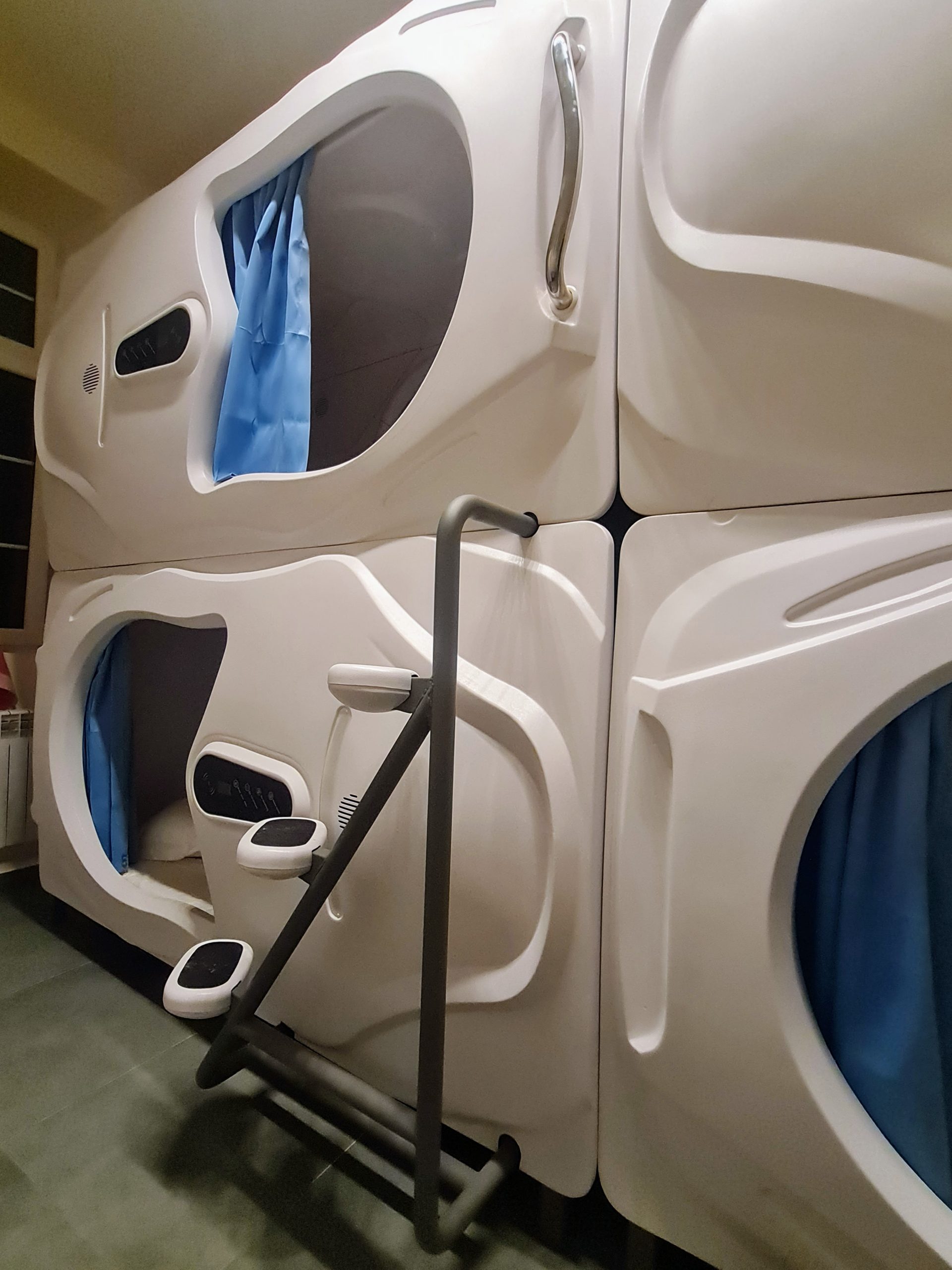
Continuing on from the previous point, I love pod and capsule rooms! They give privacy, blockout light and a lot of the noise too.
Unfortunately in a lot of places they can still be quite expensive, but if I can find a reasonably priced one- good luck getting me out of it! If they are too expensive I go back to my original search of curtains and bunk bed design.
6. Ear plugs and Eye masks are essentials
If you have ever stayed in a hostel, there is a high chance that you have come across someone coming into the room at 2am, turning the main light on, making a racket and waking everyone up. When your travelling, late arrivals and early departures are a fact of life.
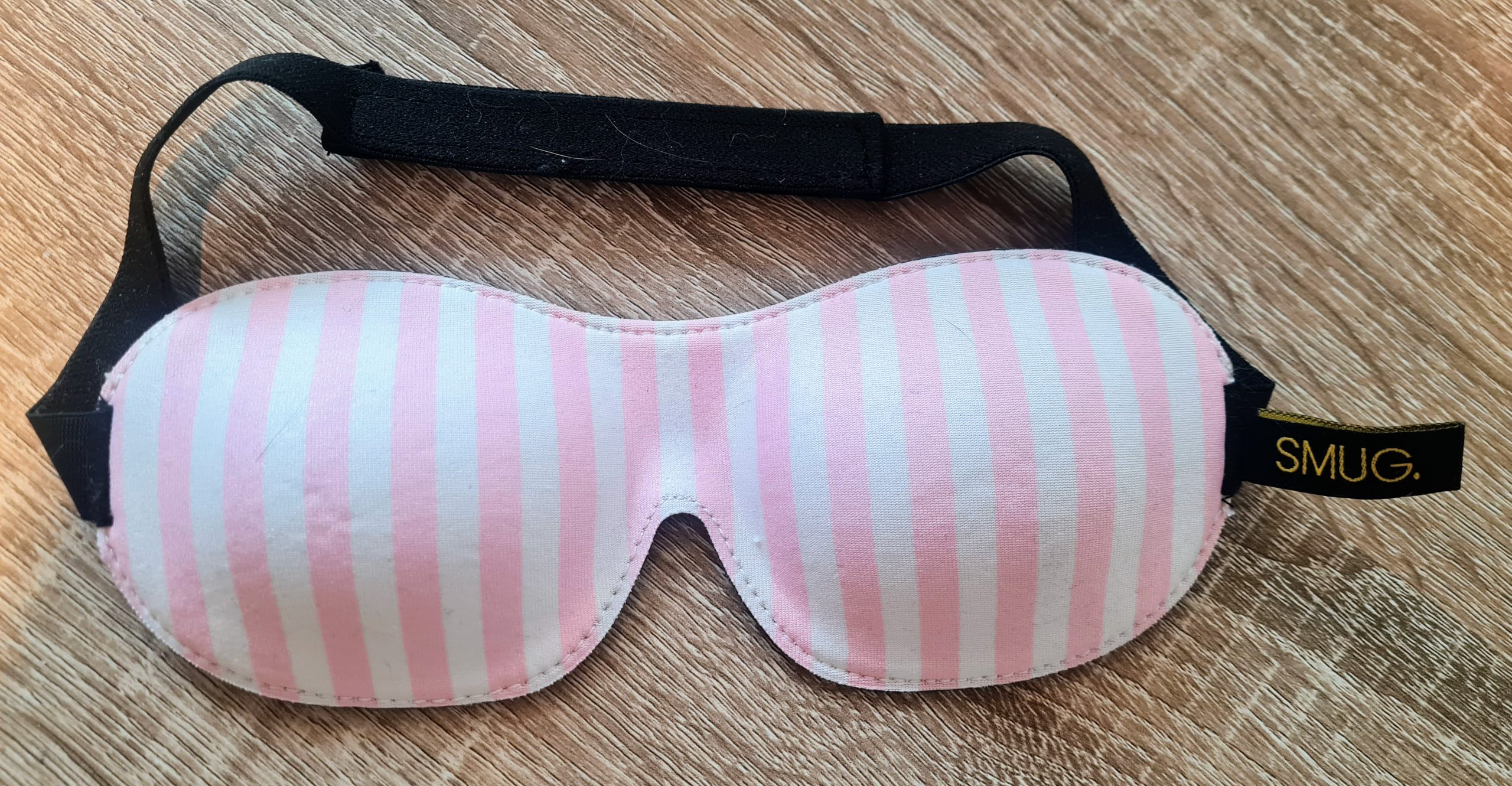
But there are tips to help avoid or minimise making noise, turning lights on and making yourself public enemy no.1 by disturbing and waking everyone else in the room. If I know Im going to arrive late, I always make sure I put my toiletry bag and PJ’s at the top of my luggage, so they are the first things I pull out of my bag. If the bathroom is separate to my room, I will go to the bathroom first, clean my teeth and face and get changed into my PJ’s. I will also get my eye mask, ear plugs and phone charger out, so that once I get to my room all I need to do is put my luggage in the corner, put my phone on to charge and hop into bed.
The same goes if I am leaving early in the morning, I will completely pack my bag the night before and just leave my clothes out for the next day along with my toiletries bag. Then in the morning all I need to do is pack my PJ’s and toiletries bag
Both of these ways help to minimise noise and disturbing others.
I use my phone light if I need light, but as I already have everything prepared I rarely need it. Unfortunately most people don’t do this and so Eye masks and ear plugs are a essential part of hostel life.
7. Lifts
Depending on where your travelling, it may change what type of luggage you decide to take, travelling around Europe for example I have travelled with a suitcase, carry on suitcase and a backpack on different occasions and out of all 3 I preferred the backpack.
I found it much easier as your not having to struggle wheeling a suitcase over cobblestones, up stairs at train or metro stations as many don’t have lifts, but also a lot of smaller, boutique style hostels and even hotels don’t have lifts. The last thing I want to be doing is trying to carry a suitcase up six flights of stairs.
Slightly off topic, but my motto about luggage is if you cant easily lift your own suitcase, you need to learn to pack properly and re-evaluate what you are taking. Don’t expect other people to carry your bag! This goes from taking your bag off the airport luggage carousel, into and out of taxis and up a few steps or a flight of stairs. If you want to make sure there is a lift at your accommodation, do your research before picking a hotel.
8. Ensuites
I tend to learn towards getting a room with a ensuite if the hostel provides them. I do this because most hostels that have common area showers and toilets often don’t have enough, so you could be waiting a long time for your turn. I once stayed in a hostel with 30 rooms and 2 bathrooms.
The shower and the toilet where both in the same room which made it even worse! I also find that with the common bathrooms that they can become a bit gross by the time you get to use them, even with cleaners cleaning them daily, its just the sheer volume of people using them in a short time frame.
Having a ensuite in the room removes these problems and you will only have a few other people using the same shower, not 30!
9. Hostels that have bars or clubs attached
Depending on the type of person you are, or what you are looking for on your holiday, this could be a good or bad thing. Some think they are great as they like the social side of it and to meet other travellers. Many places also do discounted drinks and meals for those staying there. On the down side, they tend to be very noisey, which means your actually trying to sleep above this noise. Even the best ear plugs in the world wont drown out all that noise.
I also find the length of time your travelling, if its a short term stay like a 1 week- 1 month, hostels with bars and clubs may be great for a social aspect, but when your on a longer length trip (2+ months) you start to value your sleep a lot more and may not want to be socialising every night and want some peace and quite which is a lot harder to do in hostels like this.
These days more hostels are also becoming more digital nomad friendly and so are catering for those who are staying longer. These places will tend to be on the quieter end, but can also be less social at the same time. I personally prefer a happy medium, where if the hostel has a common room or a cafe, activities in the hostel where you can still meet people and have that great social aspect without the noise.
10. Common rooms
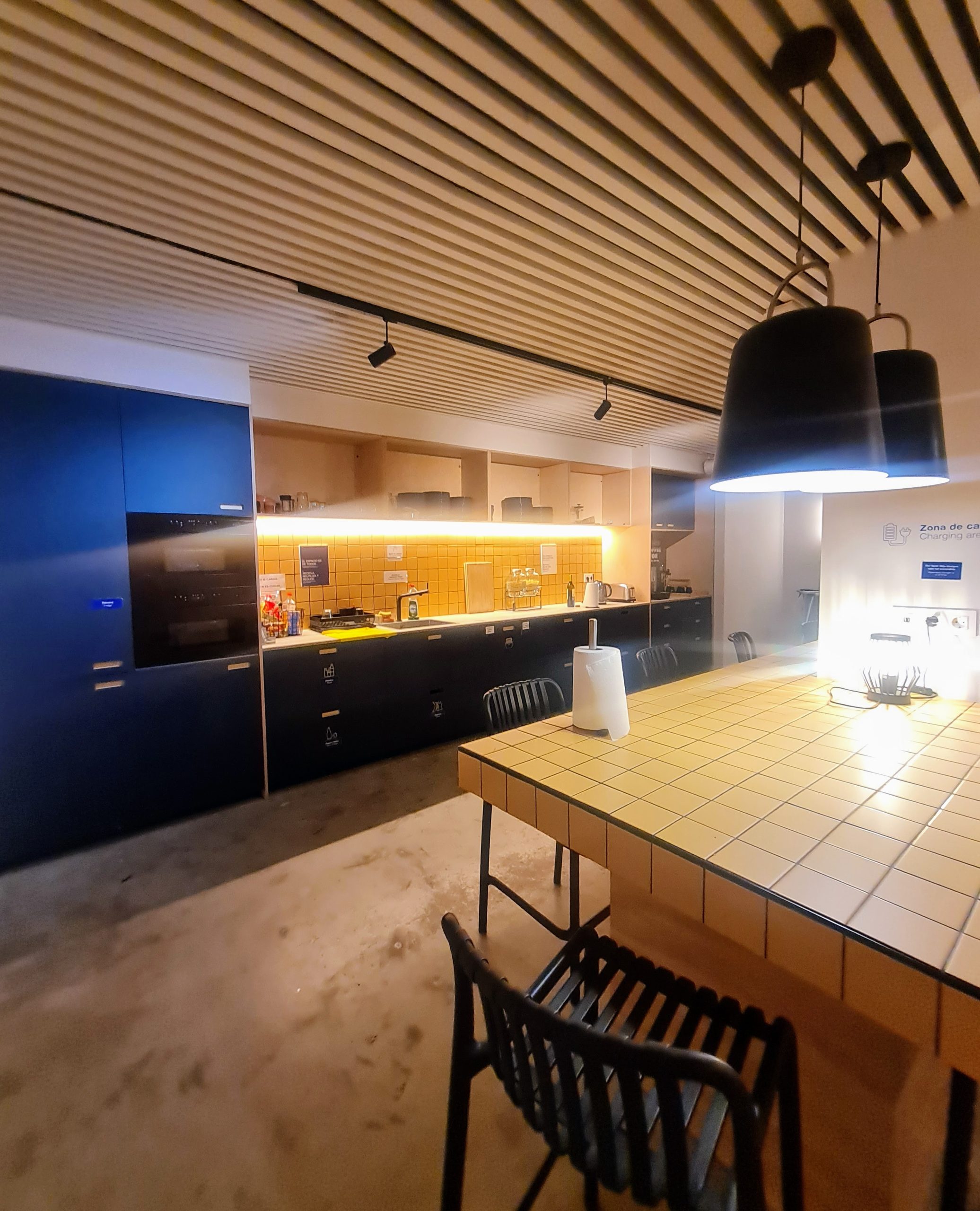
While I sometimes think having a common area is just a nice little extra when choosing a hostel, the amount of times I’ve stayed somewhere without one and absolutely hated it because of it has definitely changed my mind!
I don’t always use the common areas in hostels, and more often than not I’m out exploring wherever I am anyway. However, if I’m staying somewhere for more than 1 or 2 nights, I appreciate having somewhere other than my bunk to relax.
Sometimes you just want to come back to the hostel for a short break during the day, or have somewhere to sit after dinner without going straight back to your bunk. When a hostel doesn’t have a common room or communal area, you inevitably end up with your bed as the only real place to spend time.
I’ve found myself sitting in a café near the hostel for a few hours simply because I wanted a break from exploring but didn’t want to go back and lie on my bed. Having a common area means you can have a bit of downtime without feeling like you have to leave the hostel again.
It can also come in handy for when you are checking in (or out) and have a few hours to kill, but also a lot of hostels will use this space to hold events, like trivia and board game nights.
So, while it might not be a priority thing you look for when booking a hostel, I’d definitely recommend checking whether it has a common area or communal space, especially if you’re staying for a few nights. It can make a surprisingly big difference to how much you enjoy your hostel stay.
11. Breakfast
Some hostels offer breakfast for a extra charge when booking ranging from anywhere from $5-20 per day. Before choosing to add this option, try and find out what type of breakfast is included (such as a hot breakfast or a continental with cereal and toast) and whether this is worth the extra money.
It can be a ideal if you have a early start when cafes aren’t open yet or you are on a strict budget and don’t want to waste money on food, and you will see some who also use it to make some lunch or snacks too! I personally prefer to bypass the hostel breakfast (unless if its a good looking buffet style, which unfortunately is not often in a hostel) and seek out a local cafe close by instead.
12. Extras
I always check out what kind of extras the hostel is providing, such as do they provide free city tours or discounts for certain attractions? Do they provide free tea and coffee facilities? Do they provide a kitchen so you can make your own food? Do they provide free luggage storage? Late check out options, 24 hour reception, free parking, hair dryers, heating or air conditioning? Or do they charge you $10 for a towel?
Looking at the services the hostel provides can help to narrow down your choices, especially if your travelling in the peak of summer you have 5 other bodies sweating all night in the same room with a tiny window open because the hostel doesn’t have any air conditioning!
13. Consider a Cheap Boutique-Style Hotel Every Now and Then
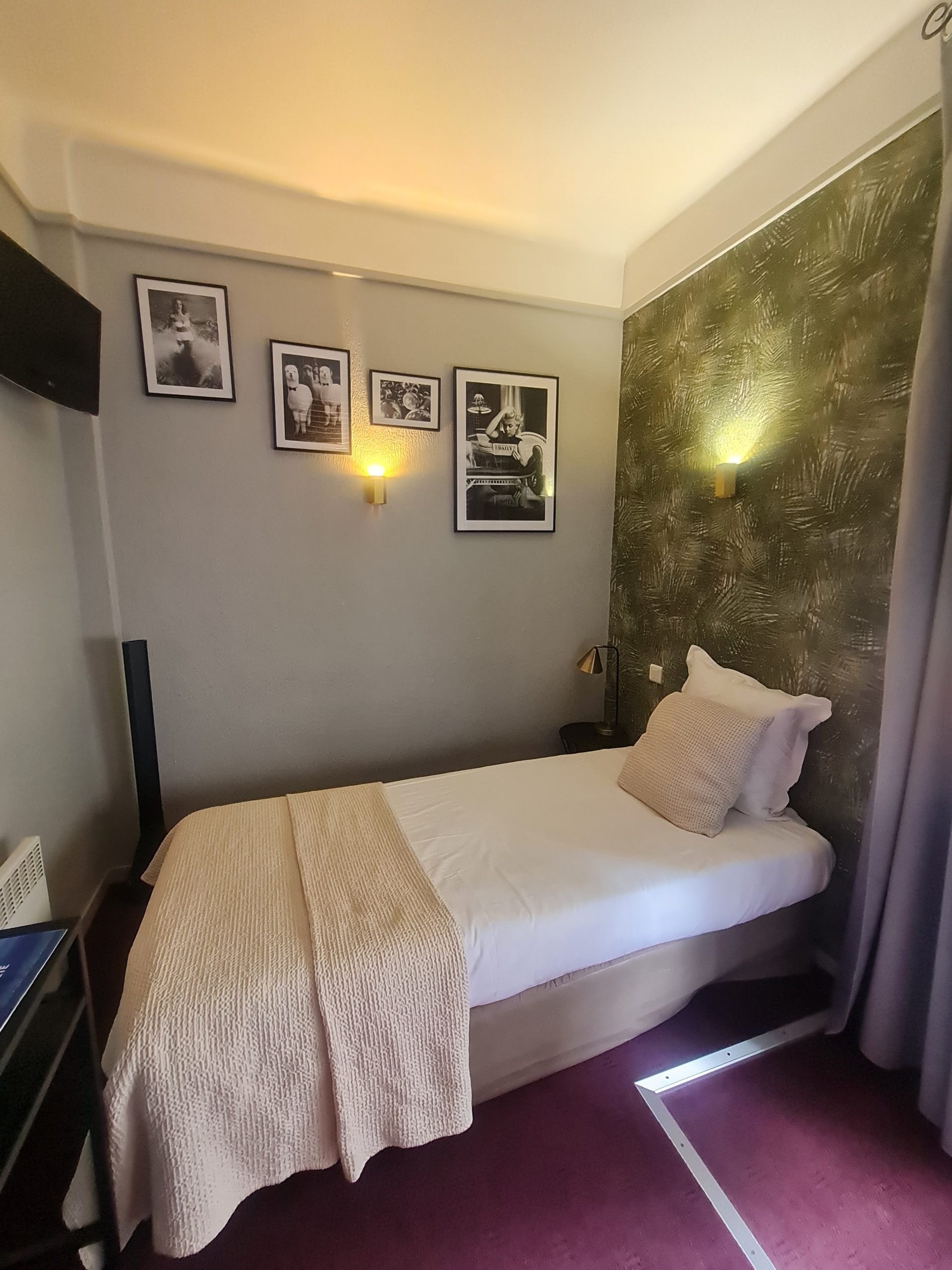
If you’re travelling for a longer period of time and staying in hostels for weeks on end, sometimes you just need a little break from dorm rooms. One of my favourite ways to do this is to book a cheap boutique-style hotel or small hotel designed with solo travellers in mind.
With the huge rise of solo travellers, these smaller individually owned type of hotels are starting to provide small single person only rooms, without the inflated price, which I think is fantastic!
These types of hotels can be a great middle ground between a hostel and a traditional hotel. Some offer small, simple private rooms with shared bathrooms, while others have tiny private rooms with everything you need for one person.
It might seem like an unnecessary expense when you’re trying to travel on a budget, but I’ve found that occasionally paying a little more for some privacy can make a huge difference. After sleeping in a dorm, sharing bathrooms and constantly being around other travellers, having a room to yourself is absolute bliss!
It gives you a chance to recharge, catch up on sleep and have some proper alone time without having to worry about someone coming into the dorm late at night or waking you up early in the morning. Sometimes all you need is a quiet room and a few hours where you don’t have to talk to anyone!
If you’re travelling long-term, I’d definitely recommend factoring in the occasional night or two somewhere private. Look for small boutique, solo traveller, or budget hotels, It can a great reset before heading back to hostel life.
Tips to make Hostel living easier
Bring your own towel
Gone are the days where you could hire a towel for a couple of dollars! Most charge anywhere between $10-20 now- You could go and buy a towel for cheaper than that! (I actually did this on my Europe trip recently, story in the next paragraph!) This can add up very fast if your moving hostels every couple of days. Instead take a microfibre towel, it takes up a tiny amount of space in your luggage, drys quick and many are the same size as a regular towel.
(In my last trip to Europe ended up buying a towel, when I pulled out my microfibre towel for my shower in London on the first day to find it… covered in my cat’s fluff! So after being covered in cat hair trying to dry myself with it, my cat and I could have been twins- off I popped to Primark to buy a towel for £4. I ended up using this towel for the next 3 months travelling through Europe, because the cat hair never came off the towel no matter how many times I washed it! Even though it was significantly more bulky than my microfibre towel, I saved so much money as the cheapest towel for rent in any of the hostels I stayed in was 3 Euro).
Bring a pair of thongs/Flip flops
Great to walk around the hostel, if you don’t want to put on proper shoes every time you walk out of your room. But I also mainly use these in the shower, to protect my feet from unclean showers and avoid contracting gross things like plantar warts from other people using the same showers.
It also kind of horrifies me how many people I see walking around in the toilets and bathrooms in bare feet! Gross Gross Gross!!!!
Bag for the shower
Shower stalls come in all shapes and sizes, some are great, others… not so much! I always take a foldable reusable shopping bag with me while traveling, so I also take this to the shower in case there is no bench to put clothes or toiletries on, or if there are only hooks and no dry space to get dressed.
I put my clothes and toiletry bag in the shopping bag (which also is water resistant material too) which I can hang on a hook to keep all my items together and dry and not sitting on the floor, or attempting to hang everything over the door and hope it doesn’t fall down and get wet.
Bring a Padlock
Most hostels provide lockers, whether they are suitcase size or just for valuables, the one thing most don’t provide is a padlock. Bring along one to prevent anything from being stolen.
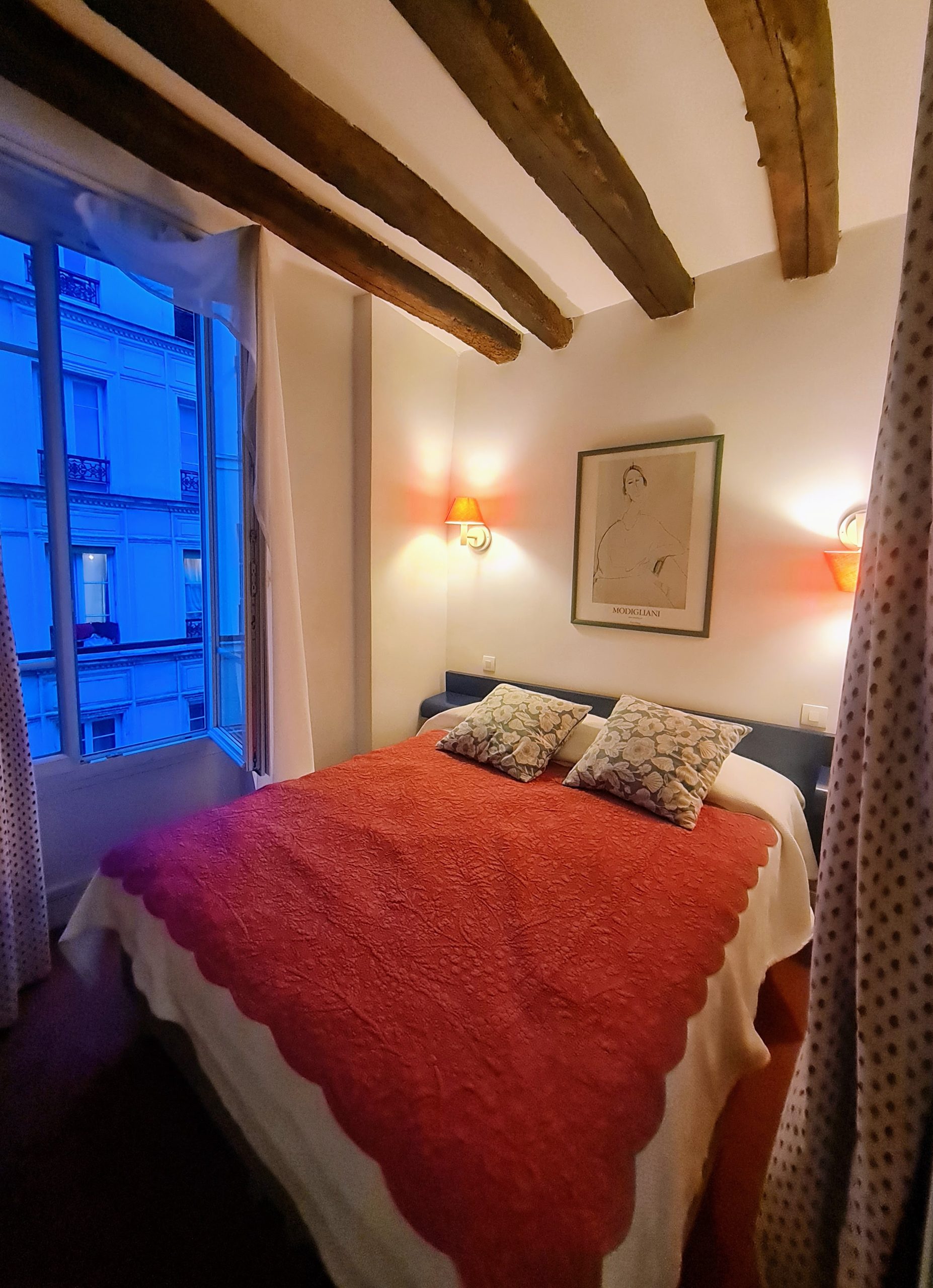
*All these photos are mine, yet ironically I don’t generally take photos of hostels, which is why most of the photos are the private single rooms that I mentioned.
Good luck with your next hostel adventure, and…
may the odds be ever in your favour!!