
Everything I learnt travelling for 3 months as a newly diagnosed insulin depend Diabetic
Disclaimer: This is in NO WAY any type of medical advice. This is my own view and personal experience and what worked for myself. Always seek your own professional medical advice.
To be honest, Im not sure how most people find out they have diabetes. I imagine most sitting in their GP’s office receiving blood test results with a bit of a “your blood sugar was a bit high on your blood test” claim. In some ways I wish that was what happened to me, for mine was definitely on the more scary side of stories!
I was actually at work when it happened with only a few more hours of my shift left, but hey good thing I was already in a hospital… right? I had felt completely fine, until all of a sudden I wasn’t.
I got this sudden crushing chest pain, like someone was squeezing my heart. And I couldn’t breathe. I honestly thought I was going to kneel over right then and there. I manage to struggle into PACU (post anaesthetic care unit) where one of the nurses just looked at me asking if I was ok.
I was a white as a sheet.
“No”.
Before I could blink I was in a bed with 4 of them hovering over me taking my vitals and running a whole bunch of other tests and deciding to call a code blue on me.
Yep, that a bit humiliating when you’ve gone from being a nurse on one side to the other side becoming a patient and having a code blue called on you in less than five minutes. So white the doctors where rushing around ordering test for my heart (they had thought I might be having a Aortic dissection) and during this time one of the nurses did my blood sugar level (bsl). I was horrified when I saw it. 25.5 mmol. And I hadn’t eaten in nearly 5 hours.
So of course with my nursey brain on overdrive my first thought was of course
“ OMG Im going into DKA!!!”
Luckily that wasn’t actually the case- and neither was the aortic dissection in the end, but off I rolled down to the emergency department.
And so after a night in the Emergency department and and being told my HbA1c blood test result came back as 14 mmol. (The HbA1c blood test checks how much sugar has been in your blood over the last 3 months. I was informed that I had diabetes, and due it being so high I was going to have to start taking insulin.
My main concern right then was.. but Im going travelling for three months in six weeks!
What was I going to do? I had never been on any long term medications in my life, let alone ones where they needed refrigeration or checking my Bsl on a regular basis, and paying more attention to what I ate or when!
Armed with some information from the diabetes educator, I went home and googled- a lot!
I also got some great information from one of my colleagues who was a type 1 Diabetic, when I explained I was at a bit of a loss of how do I travel with all this.
I went back and re-looked at where I was going, and how would I deal with this. Especially the fact that I was flying from Melbourne to London which is a good 24-30 hour flight or longer. How was I going to keep 3 months of insulin cold?
The more I researched the more I planned and came up with plan A,B,C,D. And yes it was probably a little bit over kill, but as someone newly diagnosed with anything, I think that’s a pretty normal reaction.
So what did I do and what have I learned since then?
Type of Insulin
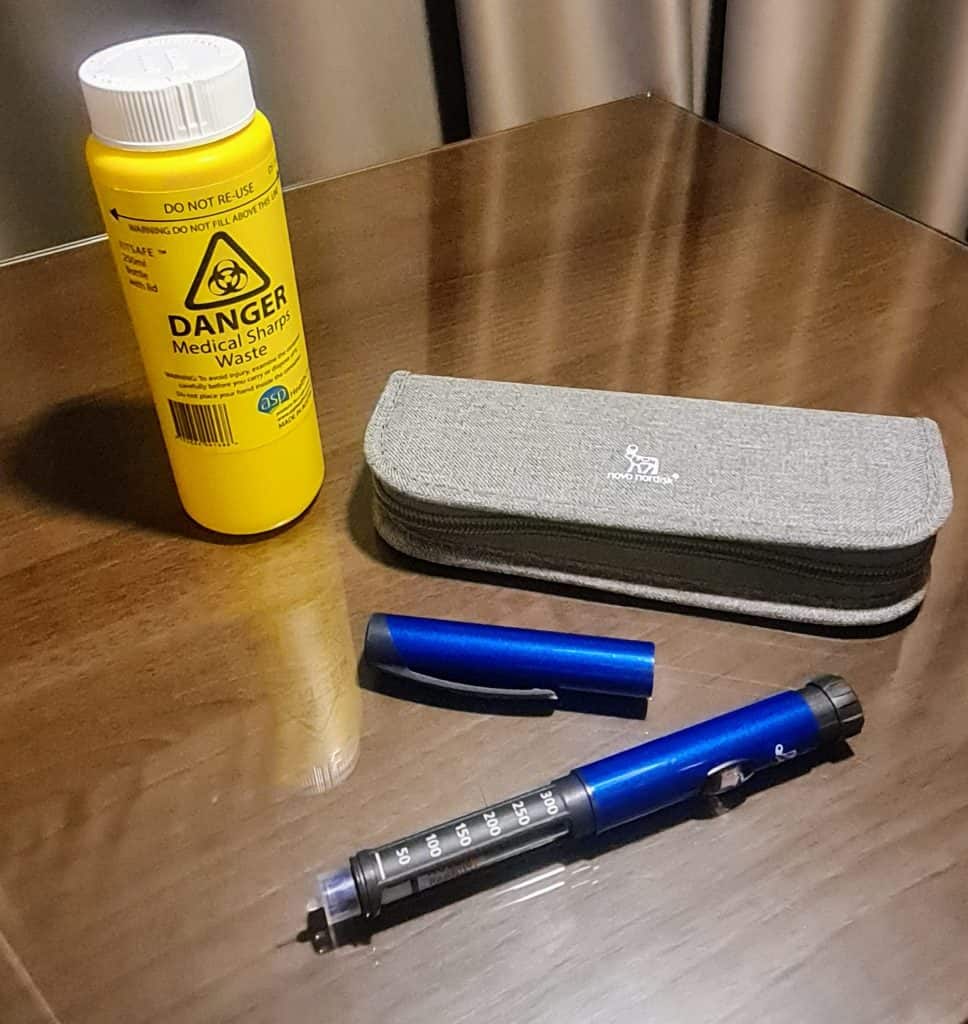
My Endocrinologist, changed the type of insulin I was on about five days before I left.
Great.
I had just spent all this time working out how many cartridges I would need as I was on Lantus once a day and Novorapid 3 times a day. 4 injections. 4 needles. 4 blood glucose strips.
Eugh!
So he changed me to Novomix (a mixture of slow acting and fast acting insulin) where I only needed 2 injections (Yay!- small wins here!), and then having to re-work out how much I would need of each item- again.
As of course even working out how many days each cartridge of insulin would last. The maths wasn’t mathing! My first week I used my first cartridge in 6 days… but it was supposed to last 8!?
Then next week it was 7 days, the week after 8! What in the heckin heck was going on?
I was taking the same amount every day, including priming the needle! So moral of the story- I will now take minimum of 2 cartridges extra for each trip.
Its always better to have too much than too little!
Ensuring I had insulin Cartridges and not Pens!
My prescription I got from the hospital when first diagnosed was A LOT of insulin pens! The pharmacy I went to was a bit shocked and said they would have to check they had that much insulin in the store! I didn’t understand until I saw the amount of boxes they gave me, all with 5 pens in them, with at the time 1 pens lasting me 2 weeks… they had given me over 12 months worth of Insulin!
When I saw this my thought was how on earth am I going to take that many pens to travel with? The little cooler I had bought was not going to be big enough! I would need to take a esky for all that!
Luckily my type 1 colleague, was like noooo! Get your doctor to prescribe you cartridges!
And at that point did I learn about the reusable pens!
In Australia, if you are registered with the NDSS (National Diabetes services Scheme) you can get the Novodisk reusable pen for free, where all you need to do is swap out the cartridge for a new one when empty.
This means you have so much more space in a cooler!
Having enough supplies
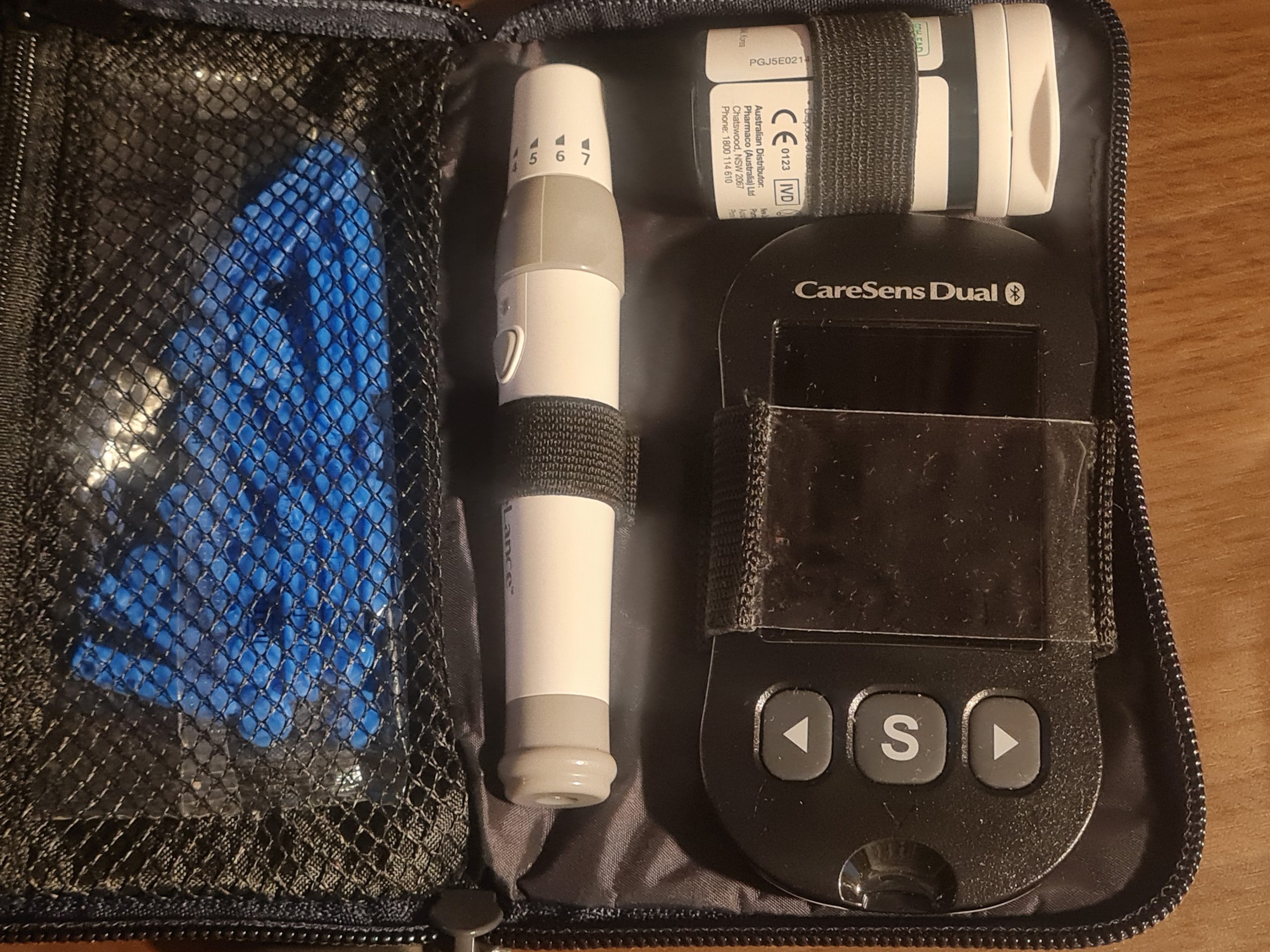
When I looked at my pile of insulin, boxes of needles, sharps containers, glucose monitor, extra lancets and test strips, it was a pretty big pile!
From sticking extra test strips in each container to sticking all my needles in small zip lock bags, I managed to condense it a little bit, but I still had a huge amount of stuff to take.
The Diabetes Australia website recommends that you carry all of your medication supplies in a bag seperate to your carry on bag.
Most airlines to do not count medical supplies as part of your carry on weight, so if its seperate it makes that easier, but also if they need to check it too. I put mine in a tote bag that has a zipper on it and which also normally doubles as my beach bag.
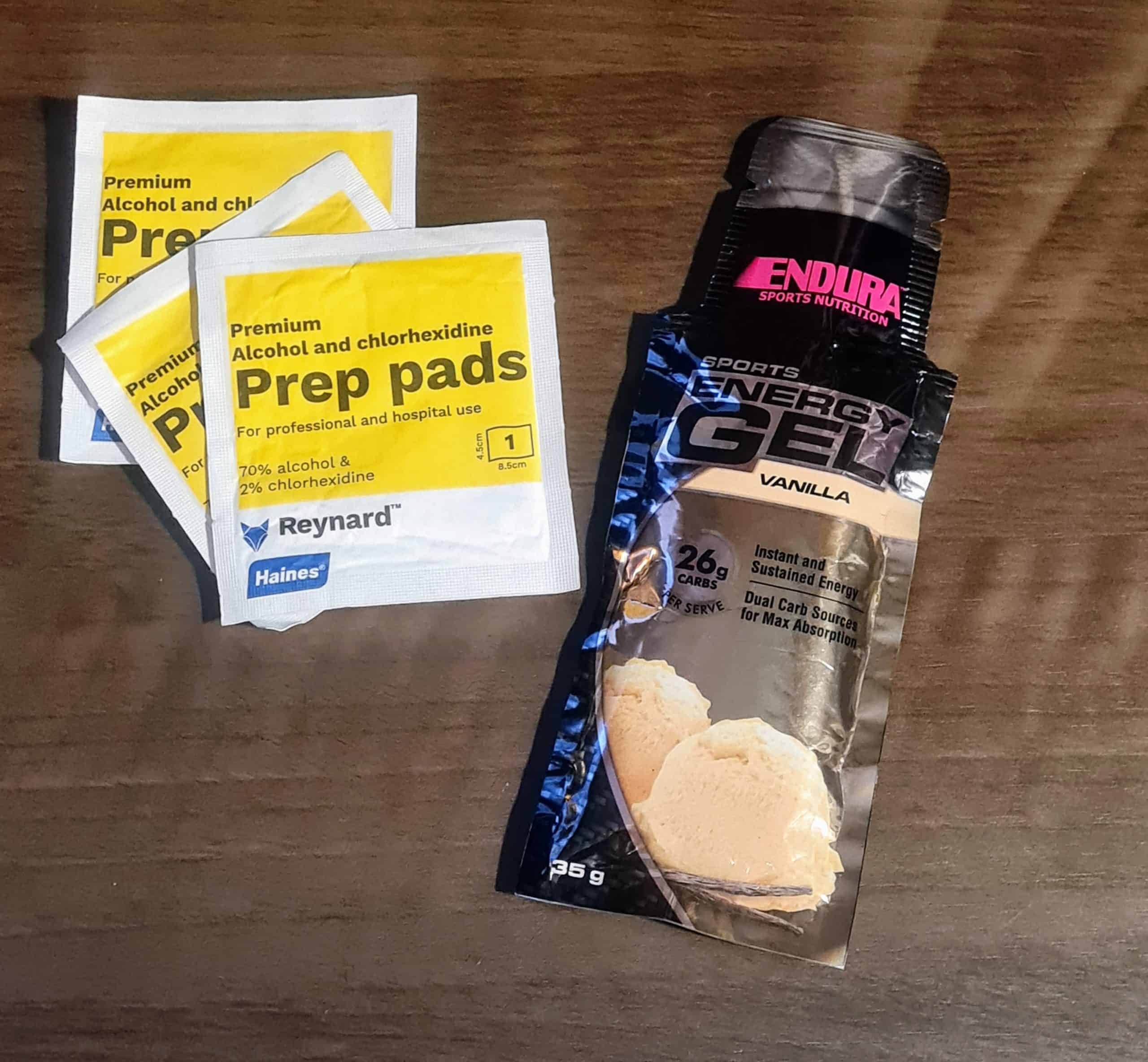
Another thing I did was I went a bought a whole bunch of Gluco-Gels sachets and I put them everywhere!
I keep one with my glucose monitor, one in my handbag, carry on bag and extras in my tote bag with my insulin.
I make sure I always have one close by, incase I have a hypo.
My family members or anyone else I travel with also knows where I keep them, just incase they need to give it to me instead and whenever Im travelling by myself, Im a bit more vigilante and I regularly check my bsl throughout the day. I prefer Gluco-Gels as it is not a solid food, which means if someone is having a hypo a Gel is much faster to swallow and has enough sugar in it that is recommended to take during a hypo event.
Another thing I always have with my my glucose monitor is some alcohol wipes, this is mainly for when Im in a place where I cant wash my hands or they are dirty, during hiking or camping- or anywhere where I have to clean my finger before I can check my BSL.
Storing Insulin
So I got diagnosed in summer, and as much as the diabetes educator said that the cartridge I was currently using could stay out of the fridge for 28 days, Im pretty sure she didn’t mean me forgetting about it and leaving it on my kitchen bench on a 40 degree day… so after that Whoopsie, I knew it would be best for me to just keep it in the fridge all the time when at home and I bought a cute little insulated box that comes with 2 ice packs for while I was at work or out during the day.
As I not longer have to inject myself 4 times a day I no longer need it on a daily basis as much, but I still have it for shift work especially if Im at work for dinner or night shift and it big enough I can put a bunch of needles in there too.
My really liked this insulated box, but my issue with this was that, the type of ice packs that it contains doesn’t stay frozen long enough, and it most certainly wouldn’t hold 3 months of insulin in it!
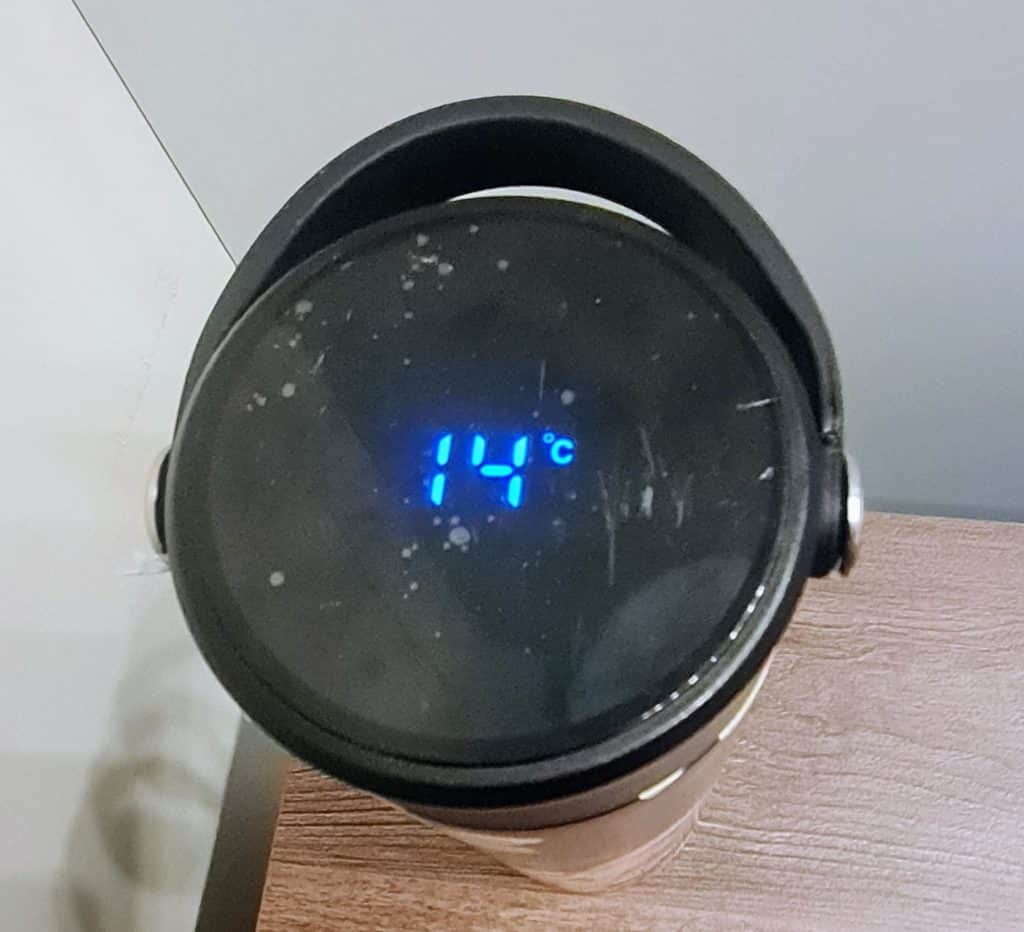
And so I found my little cooler instead. It looks deceptively like a steel water bottle, so I did stick a little label on it to say insulin, in case someone decided to do a runner with my canister!
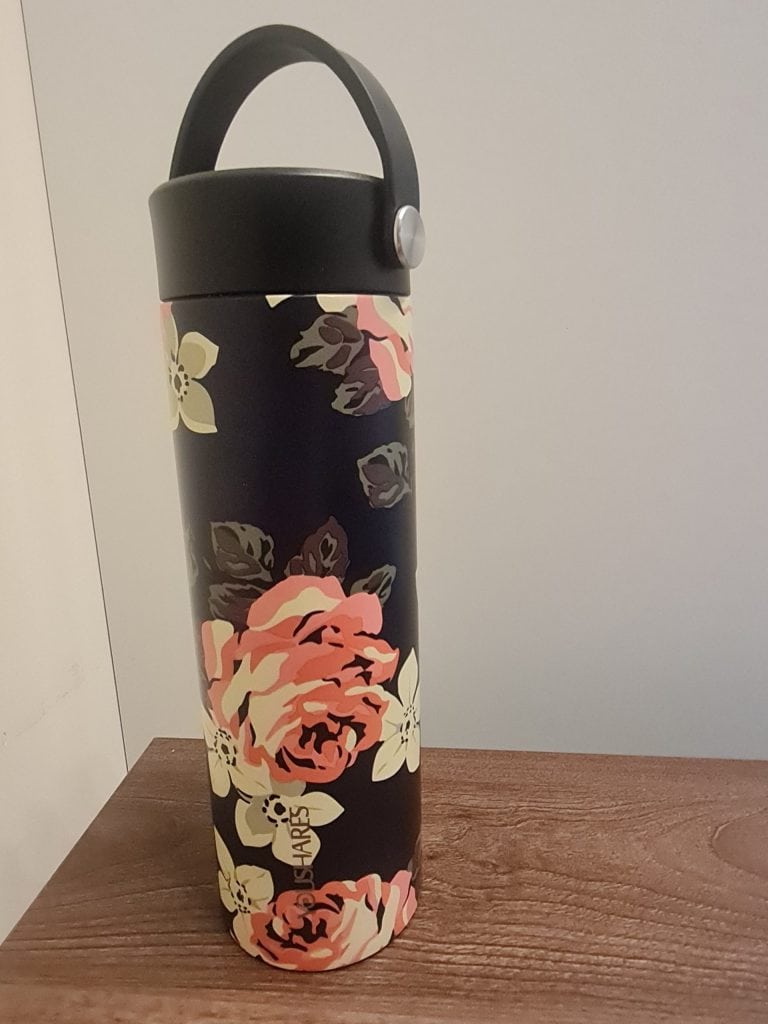
What I like about this is, that aside from being TSA approved, it was one of the few that I found that could keep insulin cool for up to 48 hours. Most I found could do 12 hours or maybe even 24 hours. Well being on a 24+ hour flight, those weren’t going to be much help!
I really like this canister, as it has a big block ice pack (unlike many of the others) and it fits all of my cartridges inside. On the top you can tap the lip and it will show you the temperature inside the canister, so you don’t have to open it to make sure its still cold enough.
Many others instead of the temperature gauge had a small compartment in the lid for needles, which considering the amount of needles I needed wasn’t going to be very helpful to me. I also like this for if your travelling in a hot country or on a tour which involves long drives in a bus, you can keep it nice and cool with out having to worry about if there is a fridge or cool box on board that you can use.
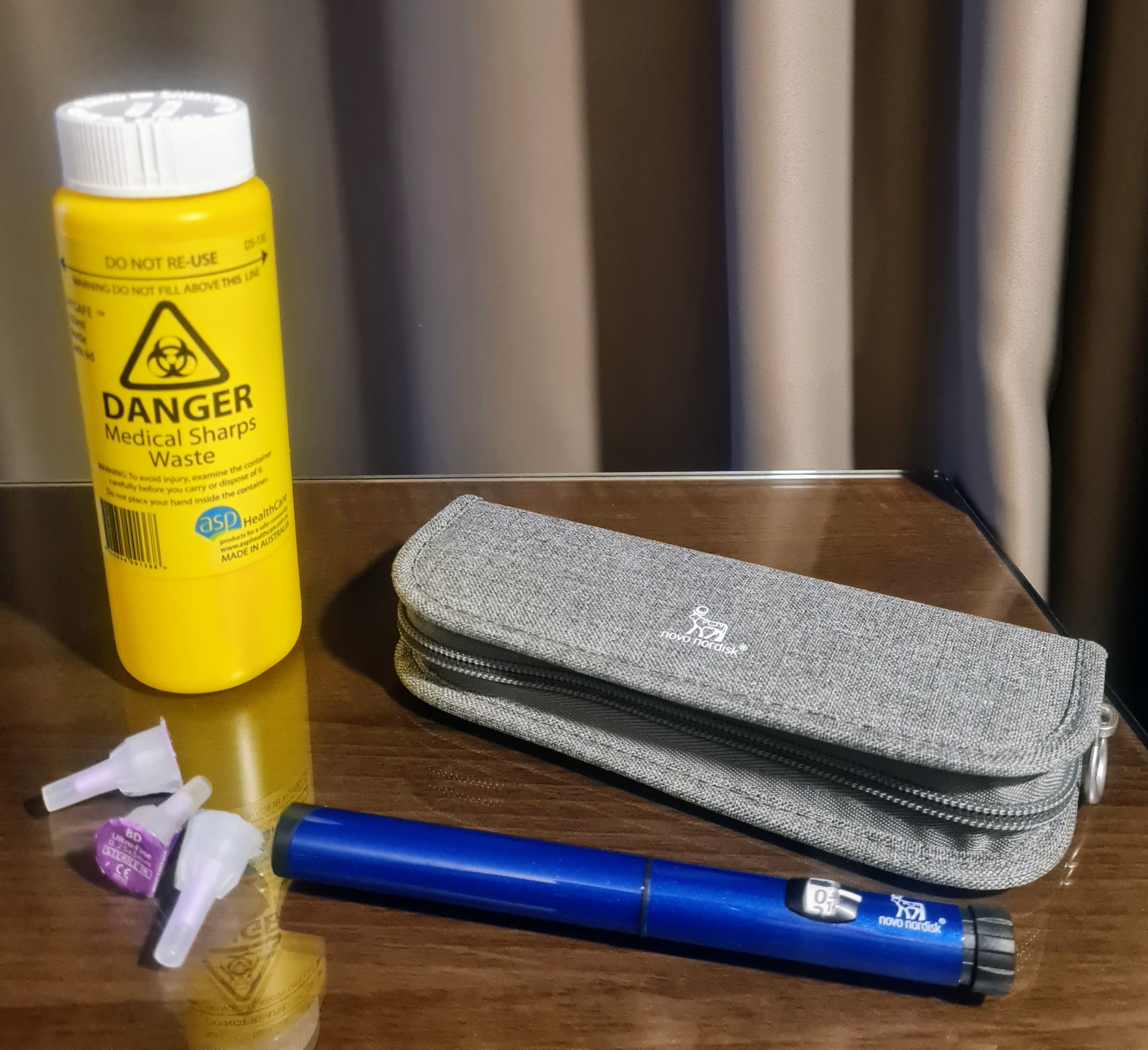
The last thing I would need is sharps containers, I knew you could get travel size ones, so off to amazon I went and bought about 4 of these sharps containers. (shown in the photo at the top of the post)
I had read online how some people would use an old plastic water bottle or container instead, but I think it really comes down to where about you are travelling to.
I think in many places that could be fine, but if your going through security in say a developing country where they dont speak much English, trying to explain that your used sharps are in a old water bottle could become a very interesting conversation and not a experience that would like to have.
Proper sharps containers are universally yellow with the word sharps and medical waste written on them, that it shouldn’t be as much as a concern.
On this trip is where I learned that most major cruise lines will actually have small sharps bins that they will provide you on request while on the ship.
I thought this was great, as I could empty my own small sharps container into it and use it for the next 14 days of my cruise, so I didn’t have to cart around 3 weeks worth of used needles!
A letter from your Doctor
While I so far, have never had to pull out my letter for security from my doctor, it is always a good idea to have a letter from you doctor stating that you are diabetic and that it is essential to have your insulin and needles, lancets and test strips with you.
This also goes for any other prescribed medications you are on and especially for controlled drugs and every country is different when it comes to medications and some can be a but wary of the medications you carry. Many still require you to carry them in the original box with your name on it. – so always check the country your going to, and get a letter from your doc!
Travel Insurance
Everyone should always have travel insurance anytime they leave their country and it should be a non- negotiable if you travel. However when you have medical conditions and depending on how many, your travel insurance can become very expensive, very fast!
This is where many people choose what medical conditions they decide they will cover and what they wont, but also depending on where they are travelling help can determine what they chose to cover. It is always your own decision if you wish to have you medical condition covered or not- and understanding the consequences if something happens to you while overseas in relation to that medical condition.
My rookie mistakes
My first Hypo
So even though I thought I was going to be ok and prepared, of course there were some rookie mistakes that I made!
My first one was where I had organised a day trip around a city, and as many of them rush around the city, you don’t get much free time.
This tour that we did (I was luckily with my mum at the time) gave us a short time to explore a certain area and also get lunch during this time. So we explored and then about 30 minutes before we were due to get back on the bus we went to get some takeaway lunch.
After waiting for 25 minutes and asking where my food was and being told it would be another 10-15 minutes.
Another lady actually offered to buy my order off me as the place refused to give me a refund as they were making the order.
So I had to run back to the bus empty handed (and yes, I had rung the tour guide saying I would be a little late and he refused to wait for me and told me I could just catch a taxi to the next place and meet us there.. umm seriously?)… Aside from being hungry at this point, I hadn’t thought too much about the fact that I had had breakfast at 6 am and it was now 3pm and I hadn’t eaten in 9 hours, while running around on a city tour.
As so as we got off the bus at our next stop and started to walk around, looking at the view, I suddenly just felt all the energy sapped out of my body I could barely walk and I started shaking like crazy.
As it was my first hypo and in a foreign, non- English speaking country it was actually kinda terrifying!
I grabbed my Gluco-Gel and devoured it and, luckily we were right out side a connivence store so my mum raced in and got me a soft drink as well.
So have I learnt my lesson?
Yes.
Now if Im on any kind of day trip, I will make sure that I have my glucose monitor with me to keep a eye on it and some sort of snack with me, like a muesli bar or two to make sure I can still eat something.
Booking a Hostel without any type of fridge
So to be fair, I had already booked this capsule style hostel before I had been diagnosed… but with it actually being the first place I was staying when I first arrived and with my insulin having been in its canister for close to 40 hours at this stage it was key that I put it my three months worth of insulin in a fridge ASAP. With very unhelpful reception staff, I ended up running out to the closest pharmacy to see if I could get some instant ice packs.
I ended up buying quite a lot as they didn’t stay cold for very long. I luckily had a friend living in the city and so she was quite happy to keep my my excess insulin in her fridge for me when I saw her the next day.
As I had my diagnoses when I booked the rest of my accomodation, I looked very carefully to make sure that all the hotel rooms had a fridge that I booked and that any hostel I stayed in had a kitchen, which would mean they would have a fridge.
I even had some lovely hostel staff, offer to keep it in their staff fridge rather than the communal fridge as they were concerned that something might happen to it in the communal fridge instead. I found this is a few places, as soon as I said it was medication, they were happy to help me out.
Losing my Re-Useable Pen
So this rookie mistake, didn’t even come close to any other scenarios I had thought up in my head! I was on a Cruise and I had just finished my Insulin cartridge and put it in the bin, I was in a hurry to leave my room and so instead of putting the new cartridge in my reusable pen straight away like I normally did, i just left the empty pen (in 3 parts) on the desk in my room. The next morning when I went to put the new cartridge in, I realised that part of the pen was missing. I looked everywhere in the room. Under the beds, desk, couch, everywhere. It was gone.
We had, had rough seas the night before, so the only thing I could come up with was that it may have rolled of the desk where I had left it and that the steward when turning down the beds that night, found it on the floor and thought that it was rubbish. But whatever happened to it, it was gone. I went to the ship’s doctor (where luckily they didn’t charge to see the Doctor unless it was outside her normal hours) where she was about to give me about a weeks worth of Insulin needles, until I got back to the UK.
About a week later, when I got back to the UK, I spent half a day running around trying to find a pharmacy that had the Nordisk Novo pen in stock. Many pharmacies didn’t even know what I was talking about!
Eventually I found one pharmacy that had one left in stock YAY! It cost me £50 to replace my pen (compared to getting it for free in Australia) so this was a pretty costly mistake, but I couldn’t keep using the insulin syringes as they are bulky, was taking up too much space in my sharps containers, but also they are big needles and HURT!
So lesson learnt!
I will make sure that I have a second reusable pen, with extra needles stashed away in my suitcase as a back up, but also have a couple of Insulin syringes in my first aid kit (which I always have travelling anyway) as a last resort a back- back -up! And in hindsight, I was very lucky I was on a cruise where I didn’t have to pay for the doctors – or the syringes- as I would hate to think how much that would cost on most large cruise liners!
The biggest battle while travelling is diet. For obvious reasons, when your travelling a different diet, and not being able to eat how you would normally at home, which in turns affects your blood sugar levels a lot. Can also make it really hard too.
Im lucky I haven’t made too many mistakes so far, but as this is a very new diagnosis for me and with many more years of travelling ahead for me Im sure that there will be more and that I will continuously be learning with this condition.
I think in hindsight, I was lucky that my first trip with Diabetes was back to a country I had lived in (UK) and where Australia also has a reciprocal emergency health care policy with the UK.
Although I didn’t need it, it did give me a bit of peace of mind that if anything happened I could go to hospital and I would be ok.
Same for the rest of my travel through Europe I wasn’t anywhere where it would be hard to get medical care.