
Why Warsaw Should Be Your Next European City Break
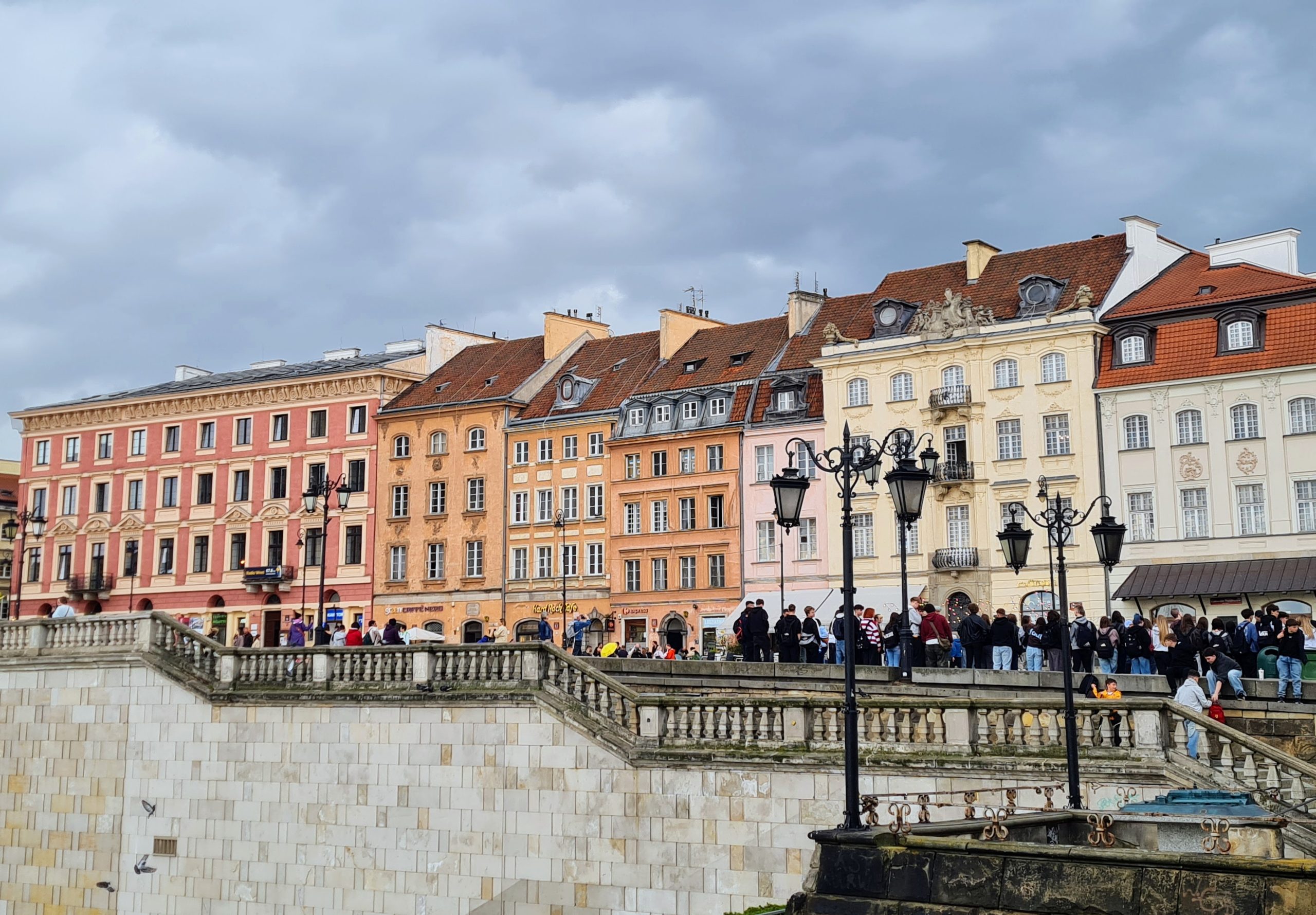
If you’re planning a trip to Poland, chances are Kraków is already at the top of your itinerary. While Kraków absolutely deserves all the praise it gets, don’t make the mistake of overlooking Warsaw.
The capital of Poland is one of the most underrated cities in Europe! At first, it might seem like a modern capital, but beneath the skyscrapers lies a city with one of the most remarkable stories of resilience you’ll find anywhere in the world.
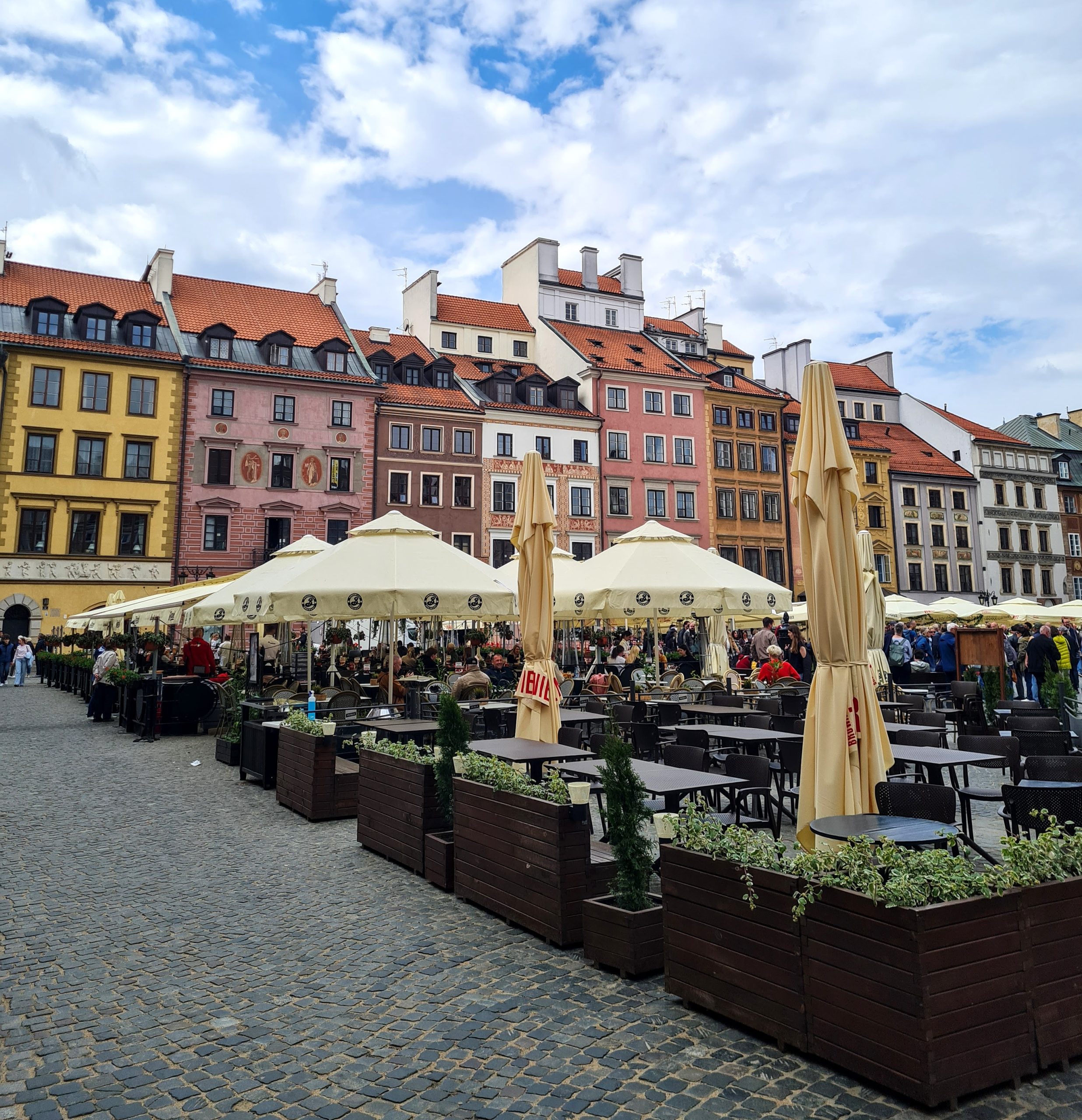
Around 90% of Warsaw was destroyed during World War II, and yet within five years, its Old Town was rebuilt using paintings, photographs and historical records.
The reconstruction was so extraordinary that Warsaw’s Old Town was awarded UNESCO World Heritage status, making it one of the only places in the world recognised for its restoration rather than its original architecture.
Whether you’re visiting for a weekend city break or adding it to a longer Poland itinerary, here are the best things to do in Warsaw.
Things to do in Warsaw
Explore Warsaw’s Historic Old Town
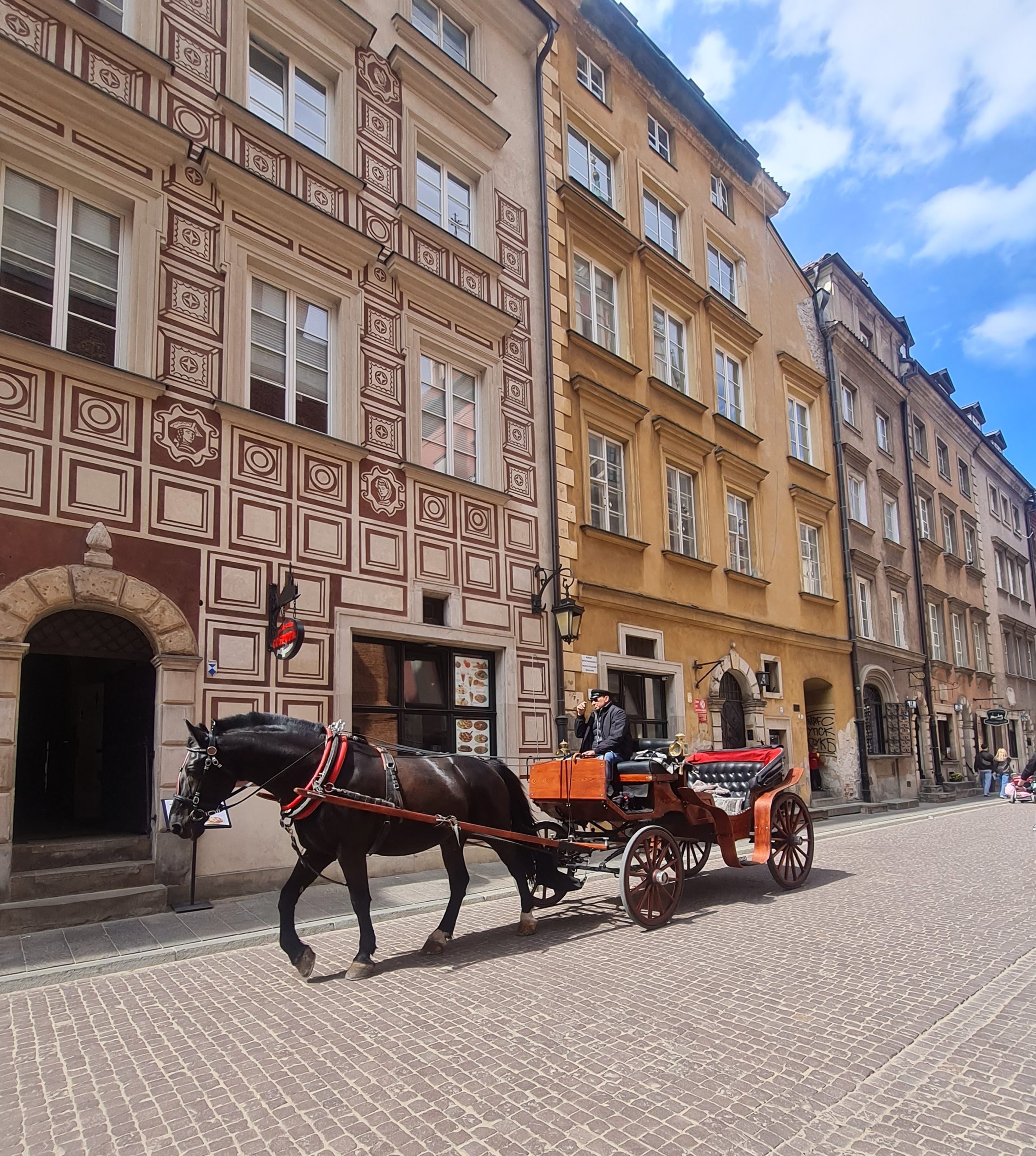
Join a Walking Tour of Warsaw’s Old Town
If you have read any of my other city itineraries you will already know how much I love a city walking tour. So, of course it is No. 1 on my list as always!
It’s one of the easiest ways to get your bearings in the city while learning the stories behind the places you’re visiting, and why they are so important to the city. I
did a walking tour with Walkative, which is a big walking tour company in Europe in many cities. They are easily identifiable by their big yellow umbrellas! I did the Warsaw Historic centre guided tour that was based around the old town of Warsaw.
As you wander through the cobbled streets you’ll visit many of the city’s most famous landmarks including:
- Castle Square
- Sigismund’s Column- 1, 2 and 3!
- The Royal Castle
- St John’s Cathedral
- The Market Square
- The Old Town Mermaid
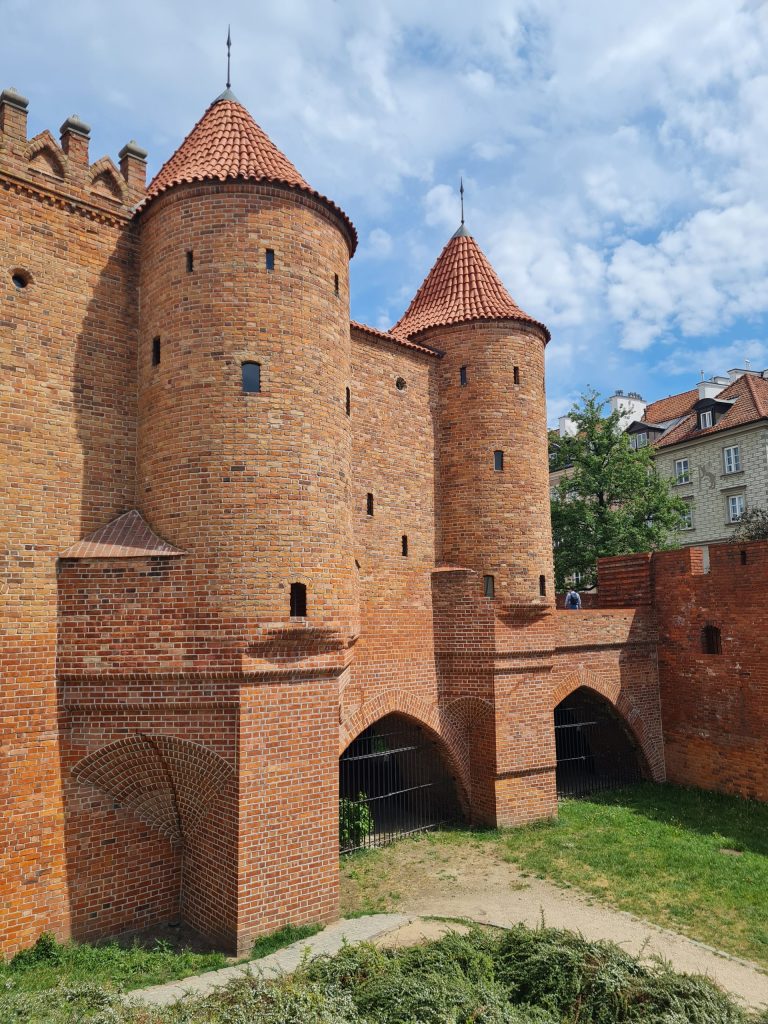
- The Medieval City Walls
- The Barbican
The guide will also explain how the city was almost completely destroyed during WWII before being rebuilt to look exactly as it had before the war. I’m still in awe at how they accomplished that feat in just 5 years!
It’s honestly one of the most remarkable rebuilding projects in history. As always a “free walking tour” isn’t actually free and is based on tips, which these days you don’t have to worry about carrying cash as they now have the option to pay by card or online through a QR code.
Book a Walkative walking tour here.
Discover the Museum of Warsaw
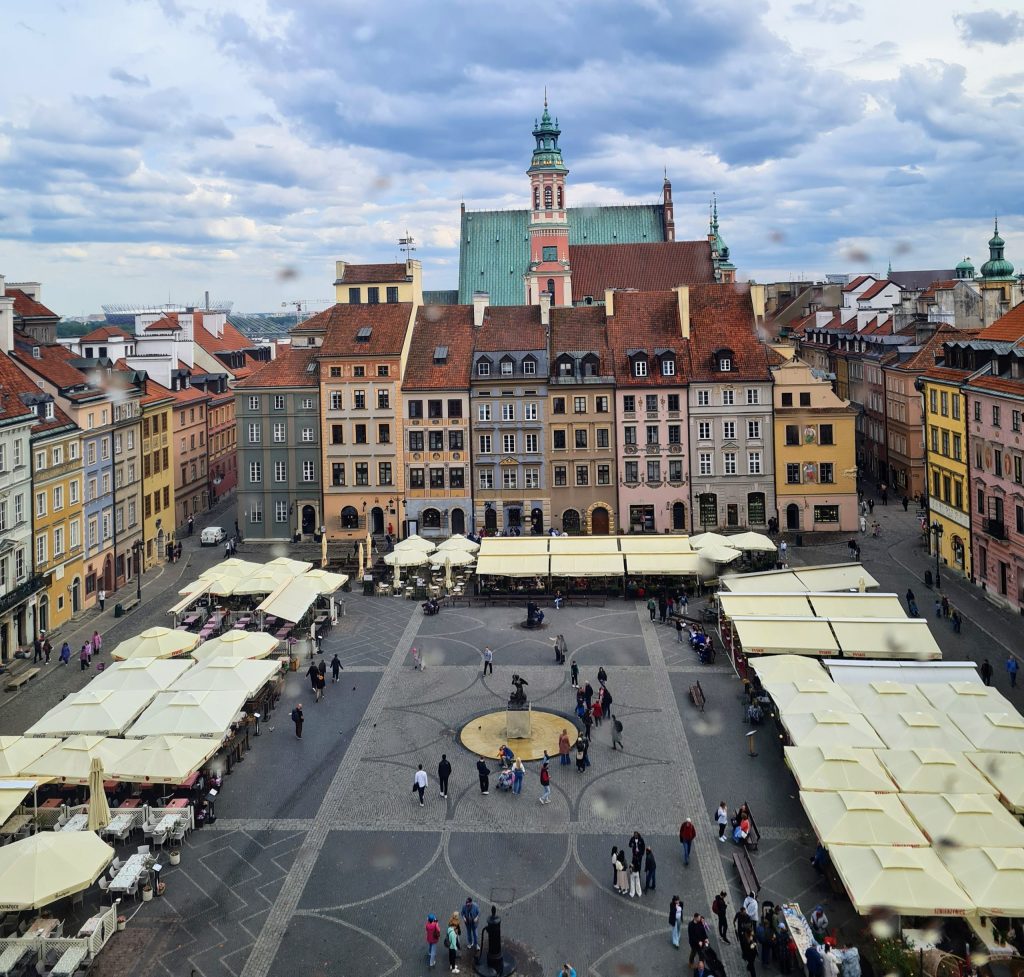
Located right in the Old Town Market Square, the Museum of Warsaw is difficult to miss.
The museum tells the story of the city from its beginnings through to modern-day Warsaw, making it a great place to visit early in your trip to better understand the city’s history.
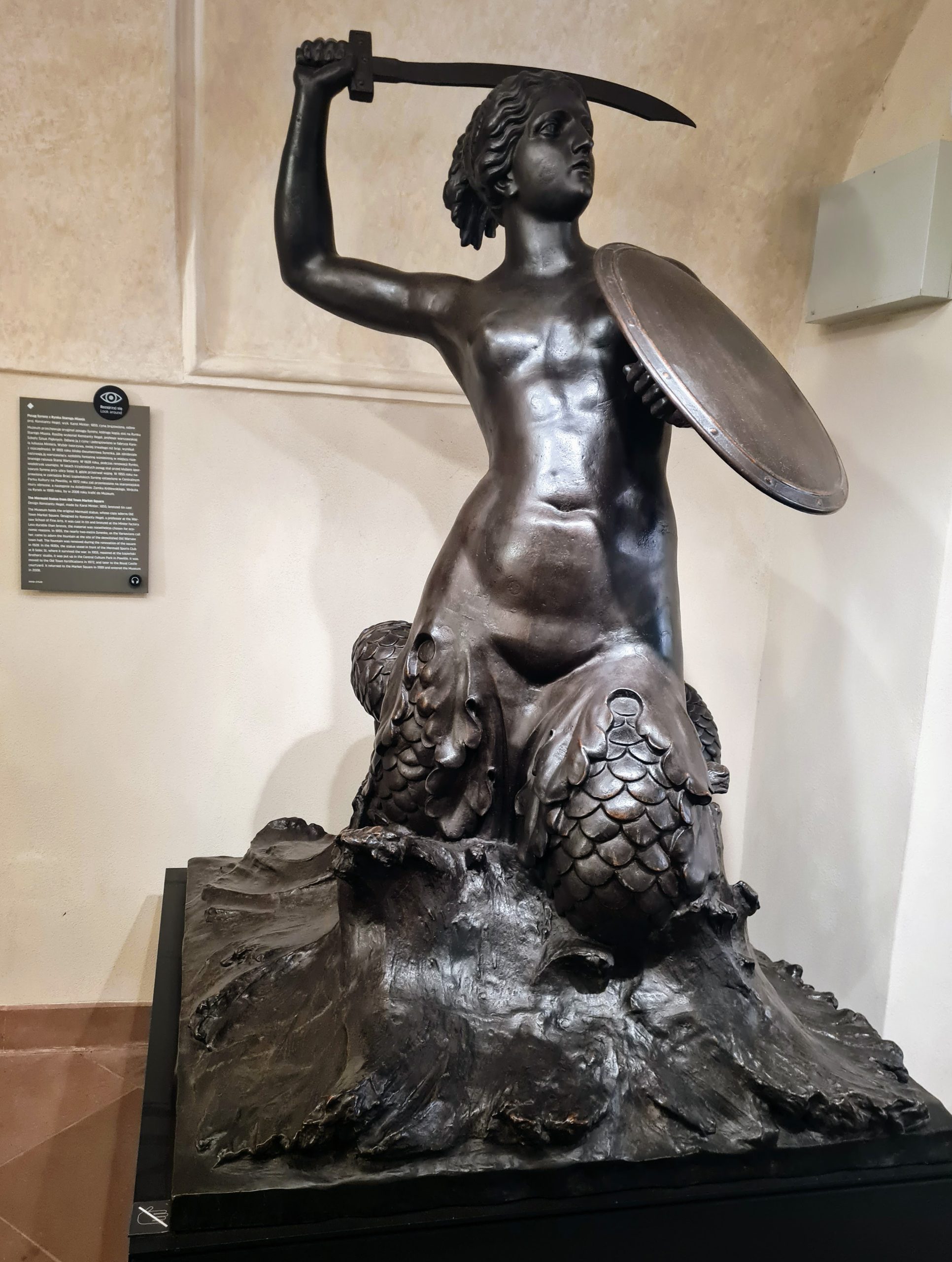
In this museum you can also see the original market square fountain mermaid statue full of bullet holes from WW II. On the top floor of the museum you can get some great views overlooking the square and Warsaw Old town.
Discover Warsaw’s WWII History
Take a World War II Warsaw Walking Tour
If you’re interested in history, this is one tour I highly recommend.
Rather than focusing on the Old Town itself, these tours tell the story of the invasion and occupation of Warsaw during World War II, the Warsaw Ghetto, resistance movements and the Warsaw Uprising.
Walking through the streets while hearing these stories gives you a much deeper appreciation for everything the city has endured.
It completely changes the way you look at Warsaw.
Visit the Warsaw Uprising Museum
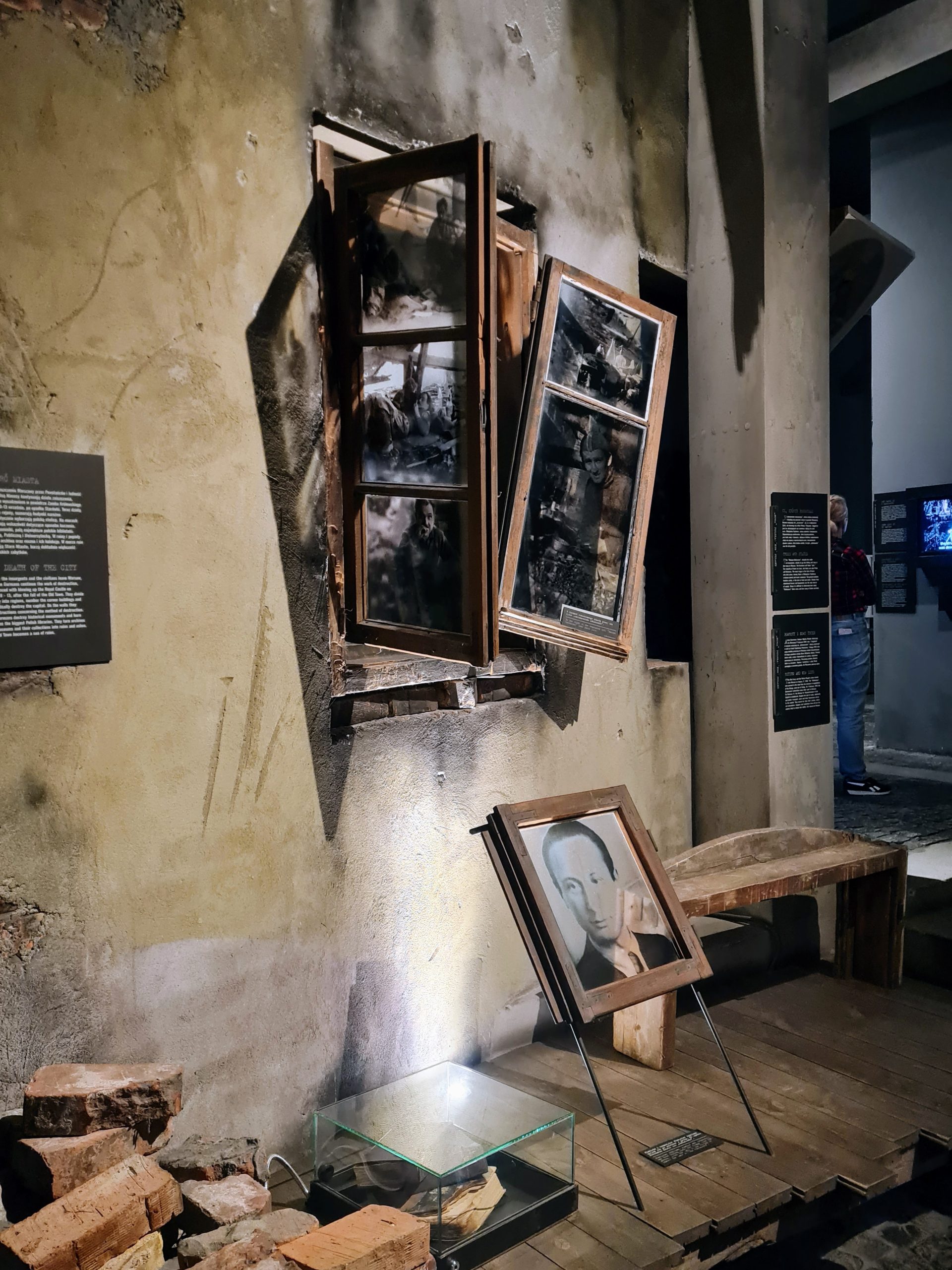
The Warsaw Uprising Museum tells the story of the uprising of the citizens of Warsaw on the 1st August 1944 against the Nazis during world war II.
To be honest despite being a bit of a history buff and a world war II history buff at that, I had no idea about this bit of history!
I knew Warsaw was destroyed during the war, but had never thought too much past that many cities were destroyed during world war II and that Warsaw happened to be one of them. When I arrived in the city, I very quickly learned that that wasn’t the case!
The Uprising Museum is a fantastic overview of this tumultuous time through immersive exhibits, photographs, films and personal accounts.
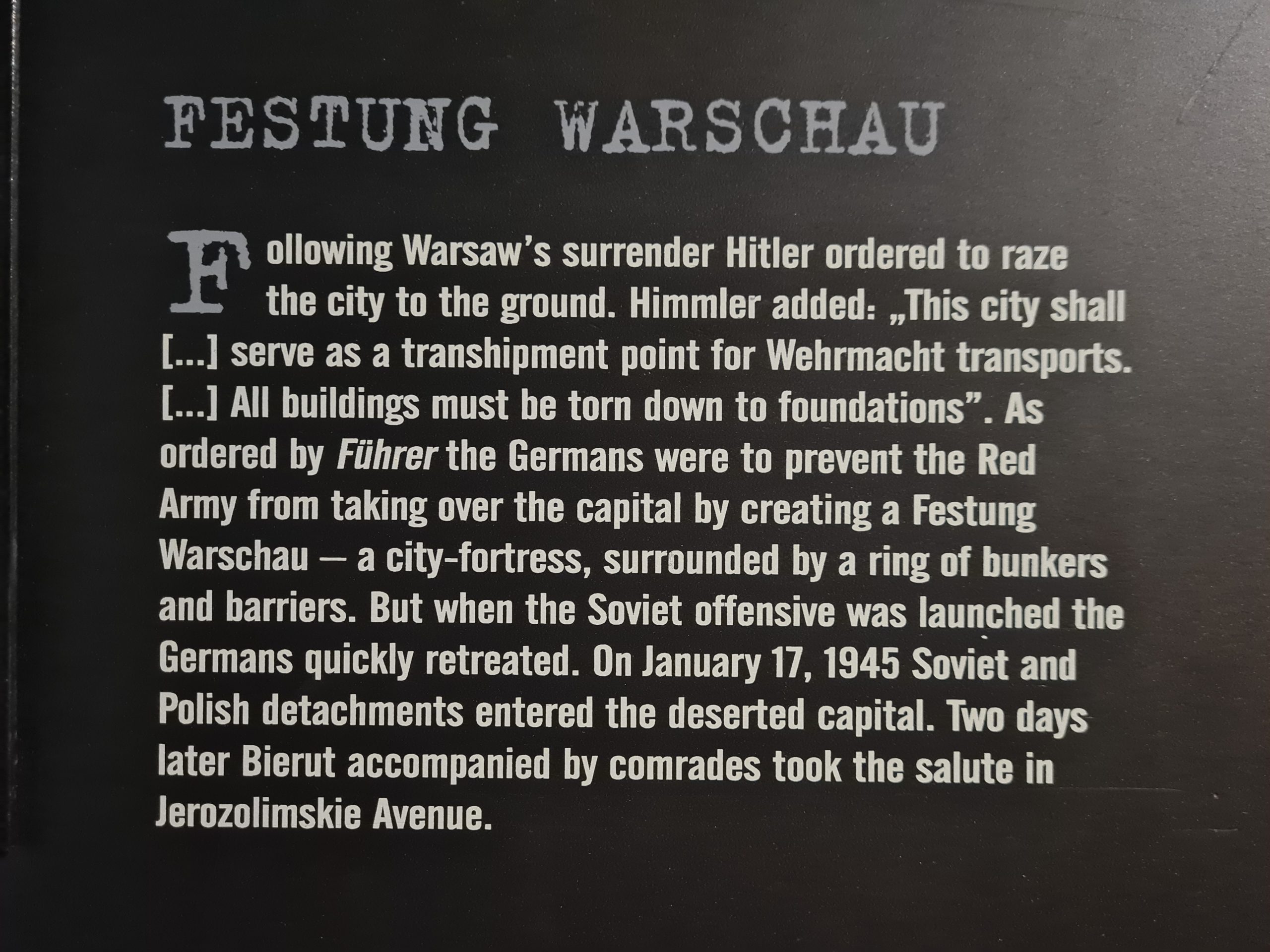
Rather than simply displaying artefacts, the museum focuses on the people behind the events, making it incredibly moving and memorable.
This museum is a lot bigger than I expected, so I would allow 2-3 hours to see the museum. I ended up spending about 4 hours there myself! So if you’re a history buff like me I would allow a little longer!
Tickets are 35 Zloty per adult
Open from 10am- 6pm daily. Closed on Tuesdays. (current as of 2026)
Visit POLIN Museum of Polish Jews
I’m not sure what has been going on in Poland, but they seem to have some of the most amazing museums I’ve been to in any country! And they are all deceptively large!
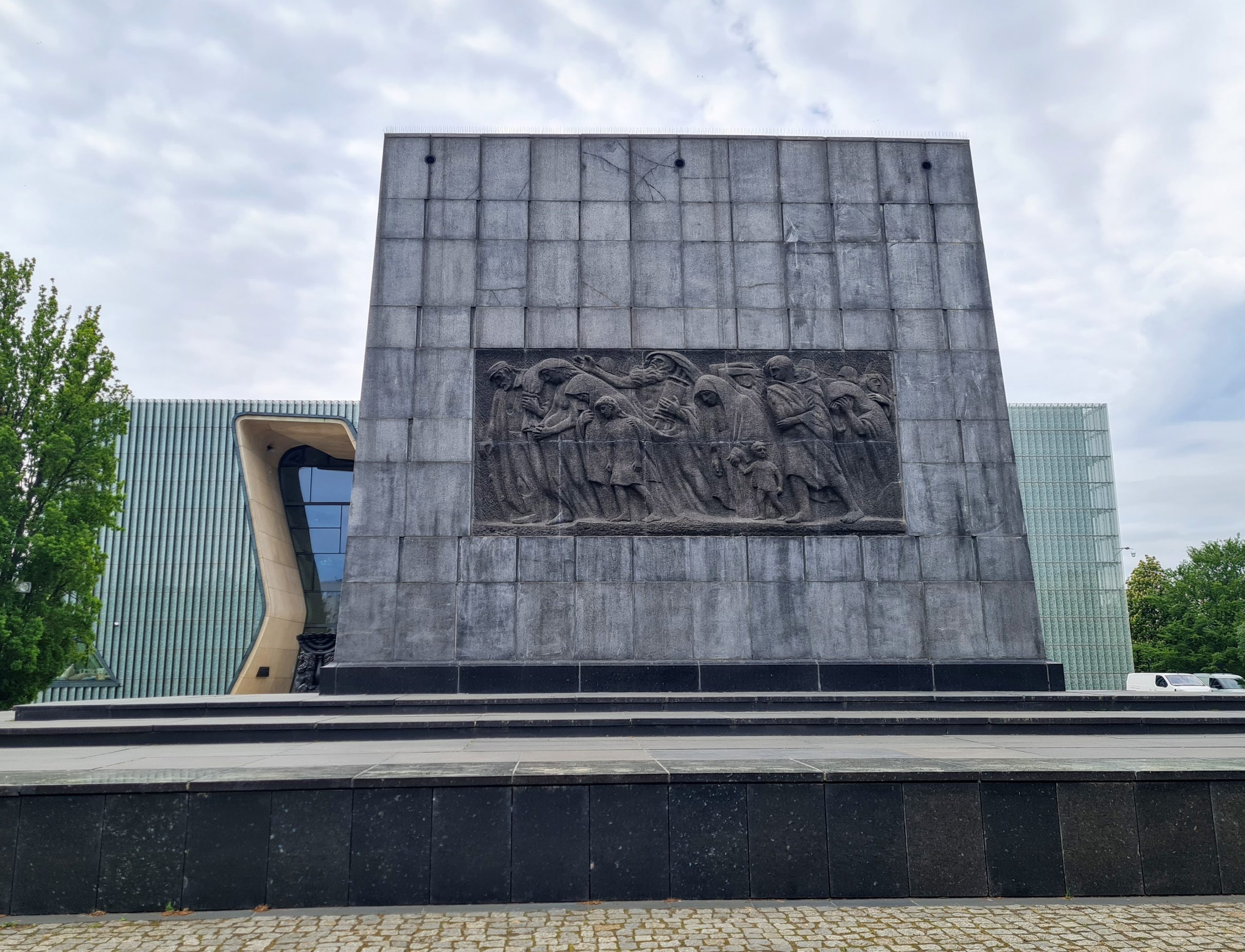
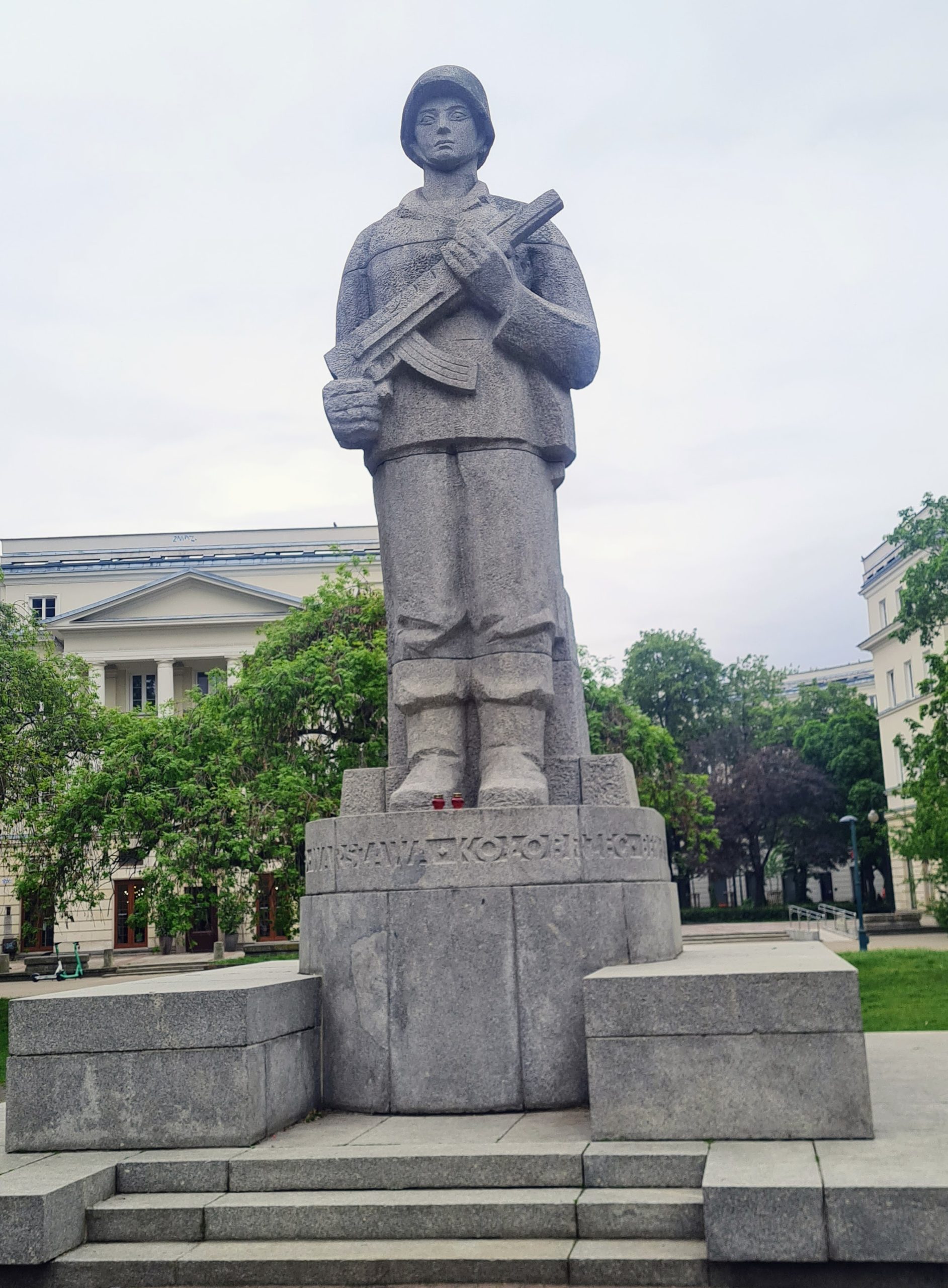
Outside the entrance to the POLIN museum is the Monument to the Ghetto heroes. This site is where the Warsaw Ghetto was located during world war II and the monument recognises the spot where the start of the ghetto uprising took place in 1943. The monument was built in 1948.
Behind this monument stands the POLIN Museum.
POLIN is divided into multiple different sections starting with the first arrivals of Jews in Poland and the Europe continent and covers over a thousand-years worth of Jewish life and culture.
Each section focuses on a certain era in a chronological order and eventually works up to world war II, the persecution of the Jews and the holocaust.
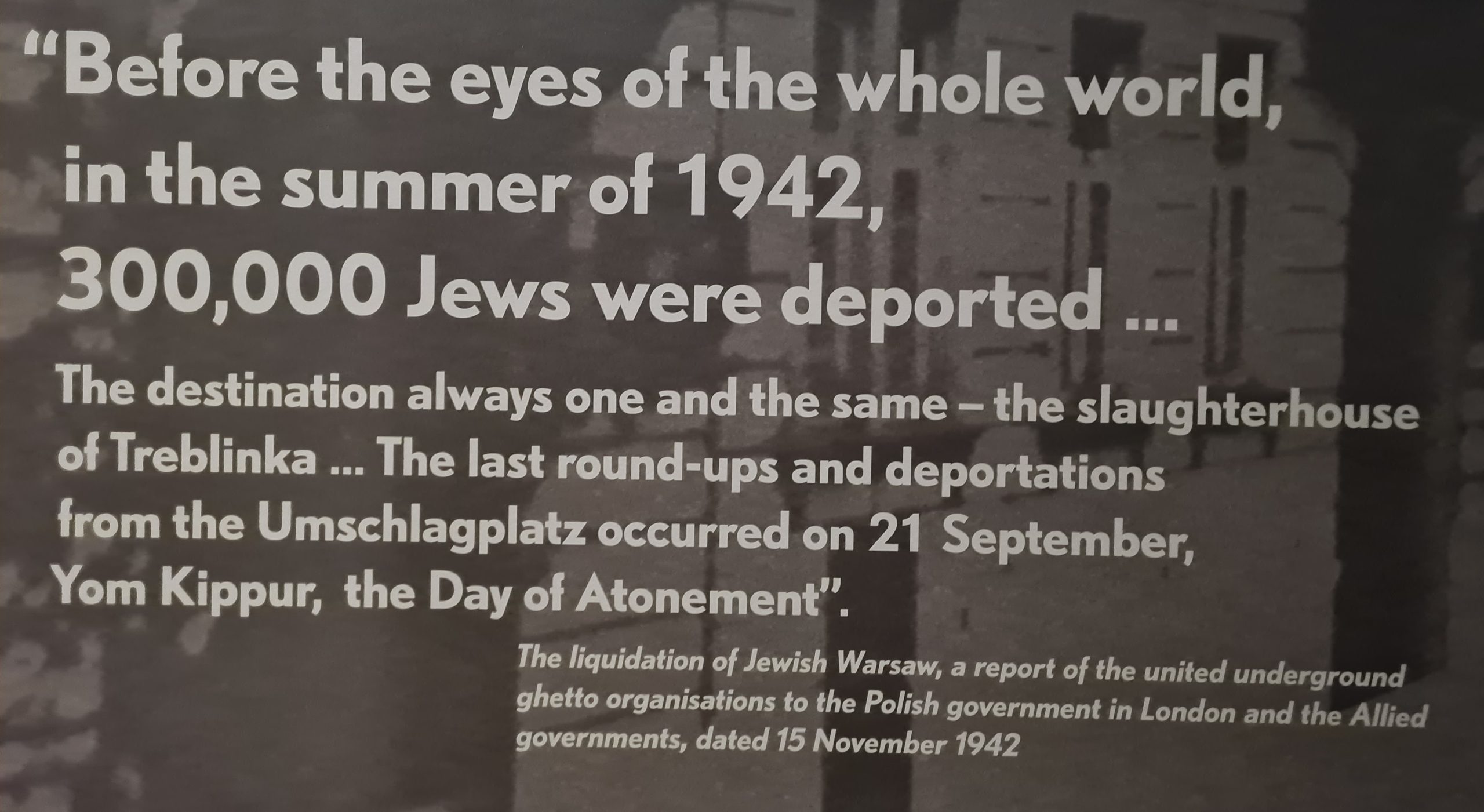
Through interactive exhibits and multimedia displays, you’ll learn about the incredible contribution Jewish communities made to Poland and how so many of them ended up in Poland compared to many other European countries in the first place before the devastation of World War II.
It’s informative, emotional and exceptionally well presented.
Like the Uprising Museum, this place is deceptively large and I spent nearly 5 hours in this museum, towards the end I did end up rushing a bit as I was running out of time before the museum closed. If museum’s and or history are not overly your thing, I would still recommend coming to this one and you could do it in 2-3 hours.
Tickets are 45 Zloty for an adult
Experience Polish Culture
Learn About Poland’s Favourite Spirit at the Vodka Museum
Did you know Vodka has been in Poland for over 500 years?
If you’re curious about Poland’s national drink, a vodka museum is a fun way to learn about its history, production methods and cultural significance.
Many tours also finish with tastings, making for a fun afternoon activity. There are two Vodka museum in Warsaw:
The Vodka Museum: The Original Vodka Museum
The Museum Wódki: Closer in the main tourist area
Both offer a tour with the history of Vodka making and provide tastings at the end of the tour. You can choose your ticket price on the amount of tasting you would prefer.
Experience a Chopin Concert by Candlelight
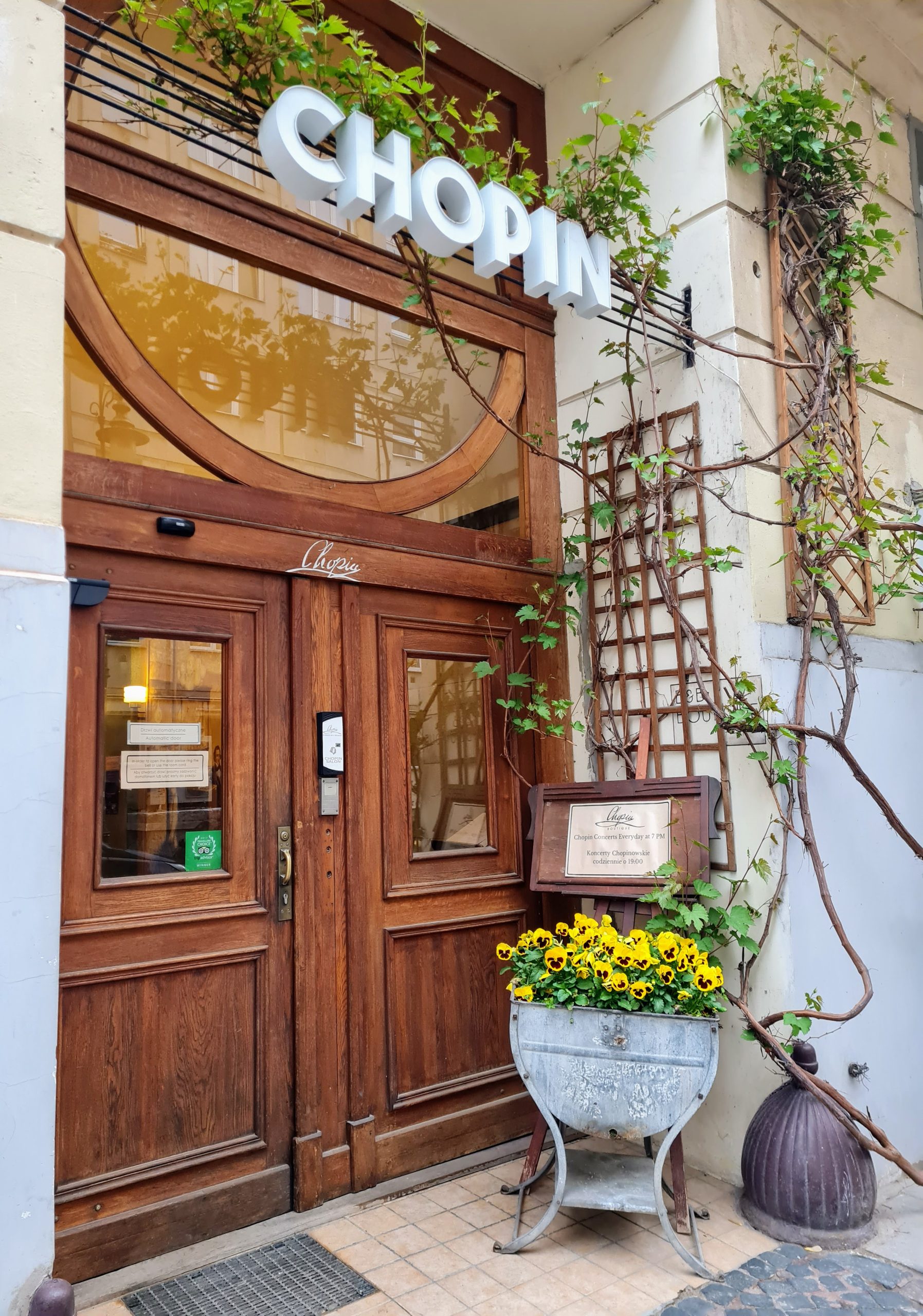
Even if you’re not usually someone who listens to classical music, I’d still recommend adding this to your itinerary.
Warsaw is the famous composer, Frédéric Chopin’s hometown, and was born here in 1810, before moving to Paris at the age of 21.
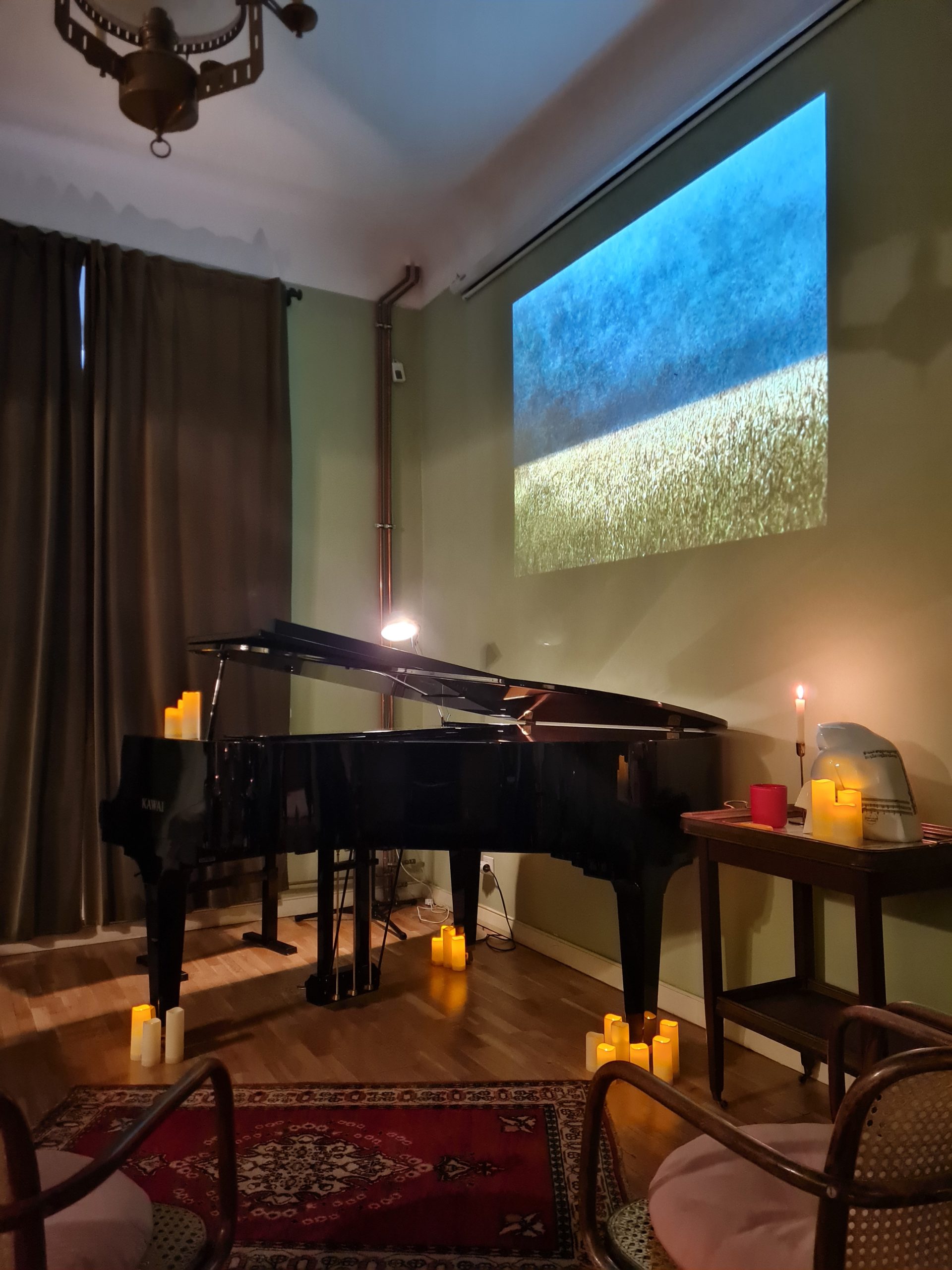
After spending all day exploring museums and walking around Warsaw, take an hour to attend a candlelit Piano concert at the original Chopin Salon. It’s the perfect opportunity to sit back, enjoy a glass of wine and listen to beautiful live music in the city where Chopin began his musical journey.
You can book Chopin painted by candlelights through Viator here.
Pierogi Cooking Class
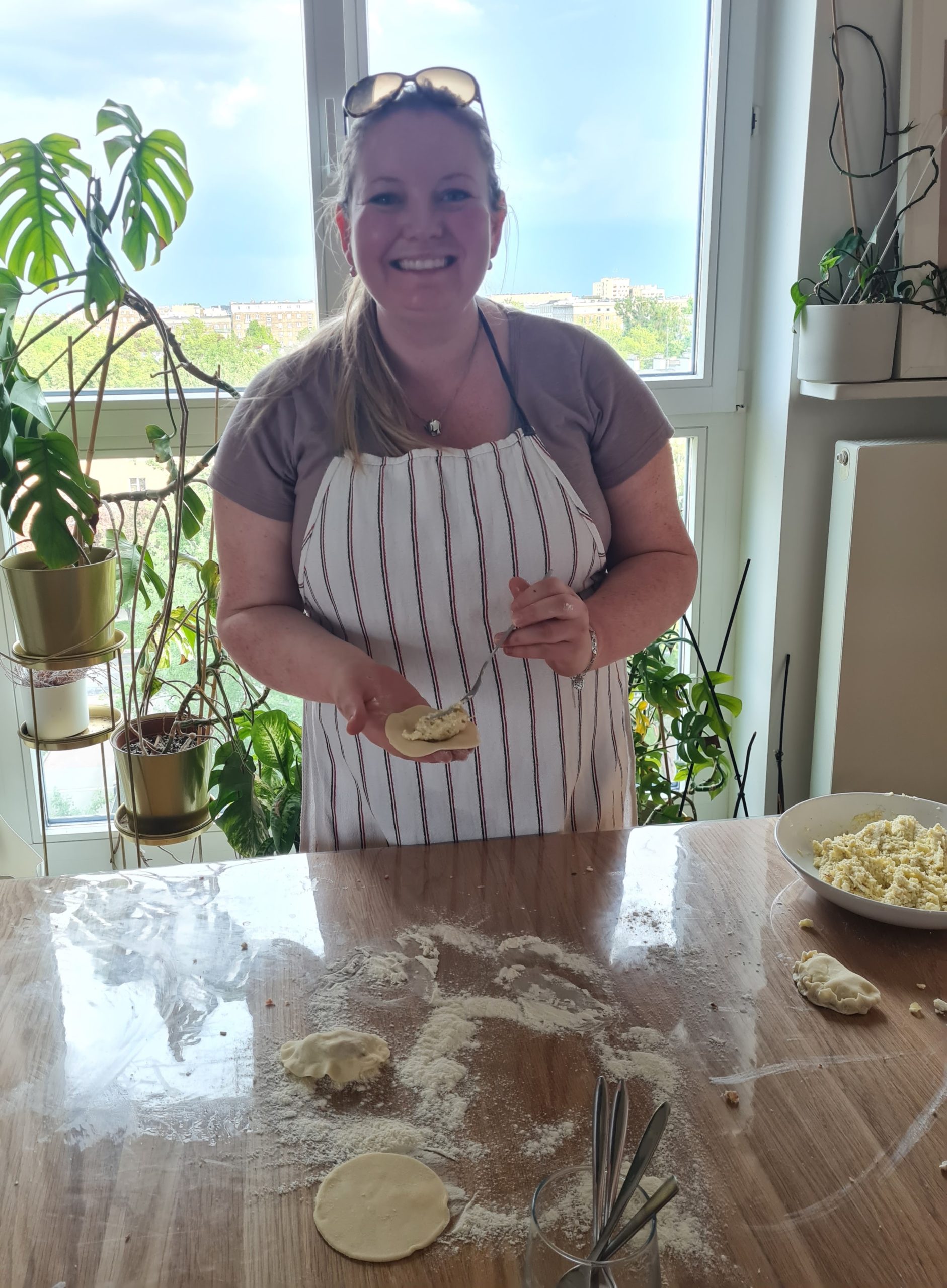
You can’t leave Poland without trying pierogi, and even better, learning how to make them yourself!
Joining a cooking class is a fun way to learn traditional recipes while enjoying plenty of delicious food afterwards.
It’s also a great activity if you’re travelling during winter or on a rainy day.
I did an afternoon Pierogi making class with our host Dominik at his beautiful apartment, where while supplying us with many unique Polish liquors, he taught us to make a variety of Pierogi’s!
We then enjoyed the fruits of our labour on the roof patio, it was a very nice way to end the day.
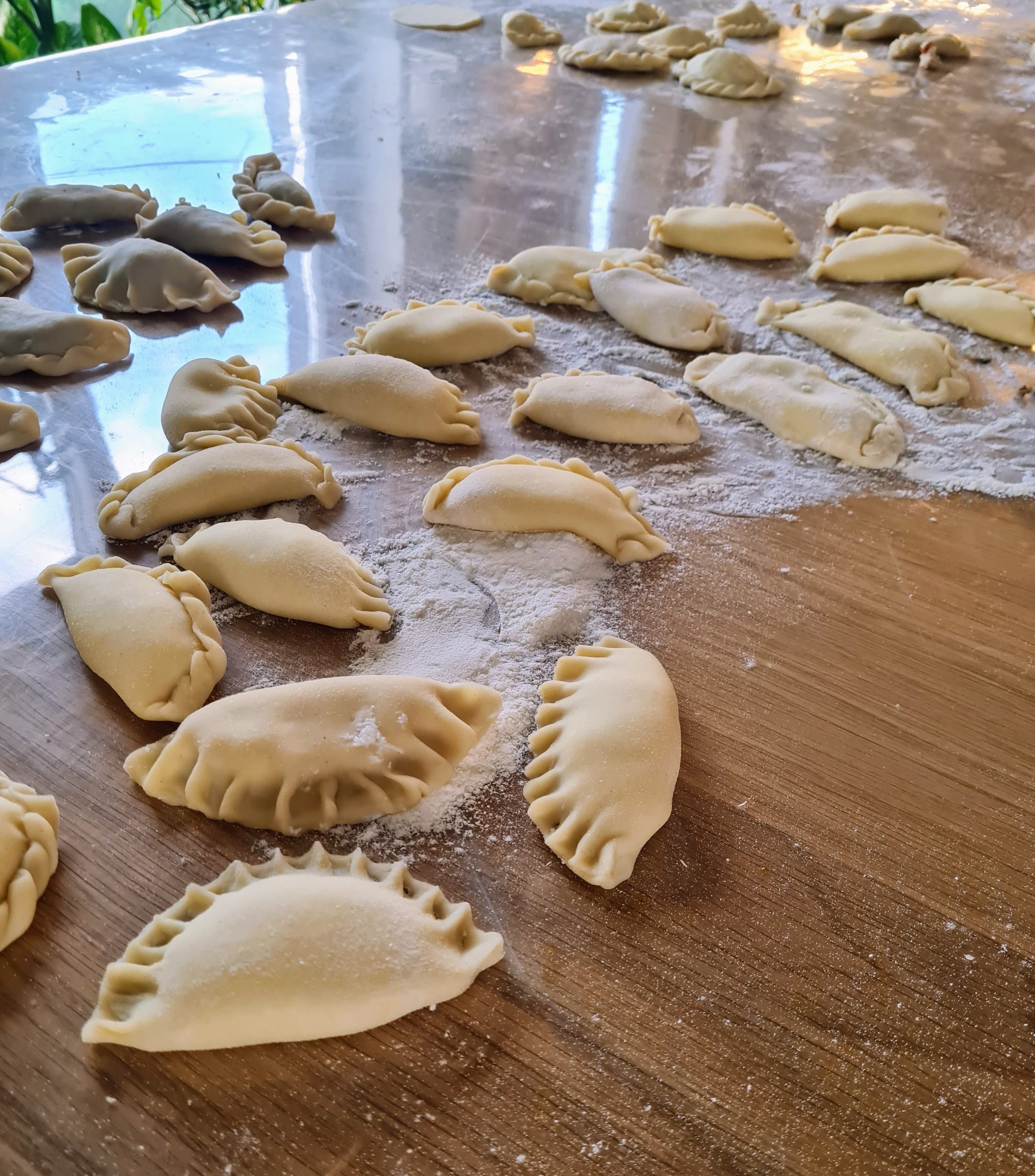
Side note: If you are travelling solo, Dominik is one of the very few people who you can book as a single person for the class. Most other Pierogi cooking classes require 2 people per booking, or will charge a very high (double in most cases) surcharge for a single booking.
You can book Dominik’s Pierogi class and liquor tasting through Viator here.
Escape the City
Visit Wilanów Palace
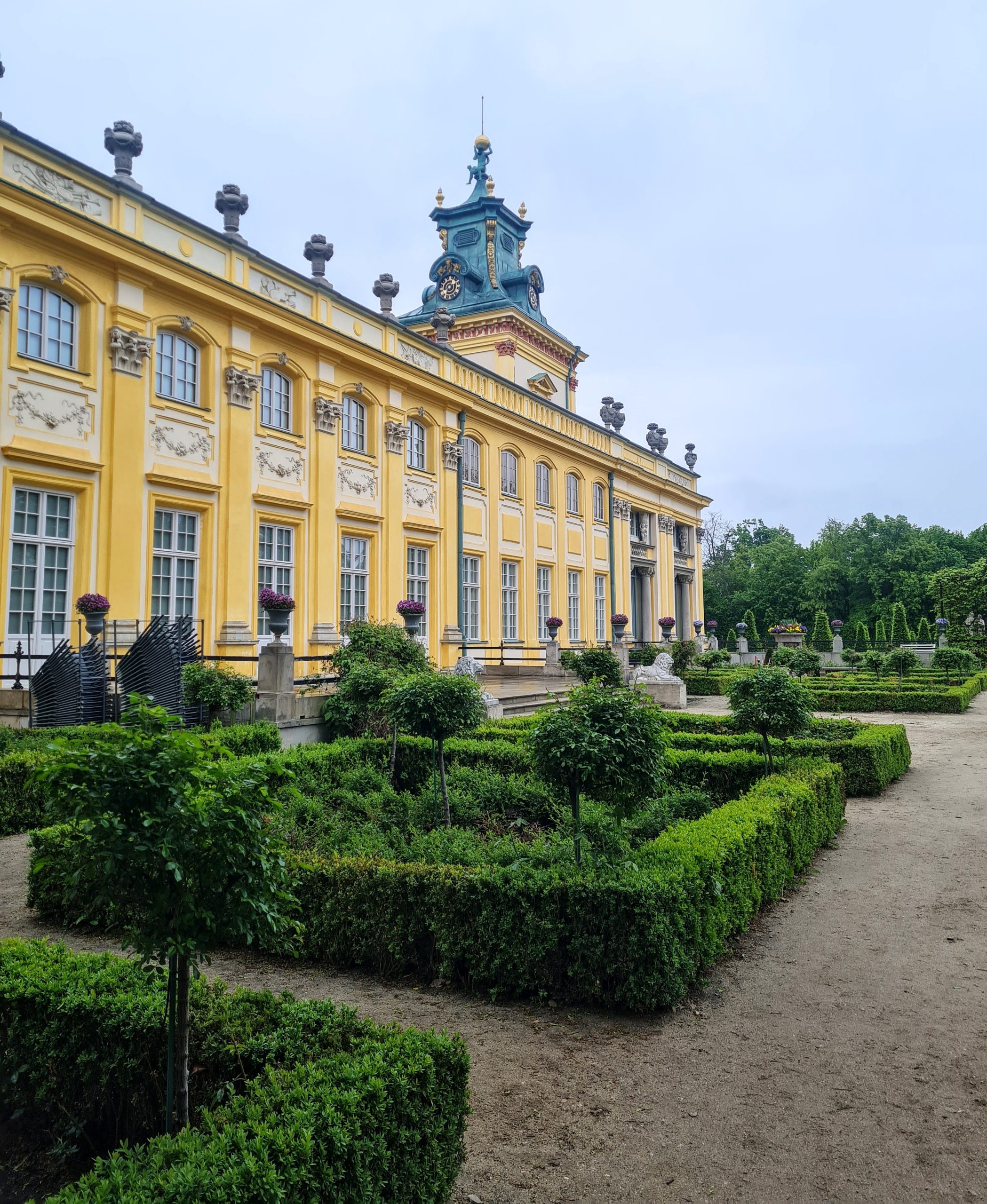
Wilanów Palace is one of Warsaw’s most beautiful attractions.
Located around an hour by public transport from the city centre, it’s well worth the journey.
I recommend arriving when the palace opens at 10:00 am, as you can spend the morning getting down there before it opens and not waste your time, especially during summer when crowds begin building quickly.
Timed tickets can be purchased online in advance, and during peak season I’d definitely recommend pre-booking. There are also ticket machines outside if tickets are still available.
A audio guide is available for a small additional fee which I would recommend as there is not much information inside the palace. In every few rooms, there is a laminated card in both Polish and English that you can read a little about the room that you are in, so if you don’t get the audio guide you do miss a lot of the information about the palace.
I went when it opened at 10am and I actually decided to walk around the extensive gardens first and down to the river, which ended up being a great idea as there was no one else around, so I got some great photos with no one else in them.
After I went inside and by the time I had finished a couple of hours later, the garden had a lot of people in it.
I would recommend spending about 2-4 hours here.
You can book online tickets here.
Fun Facts About Warsaw
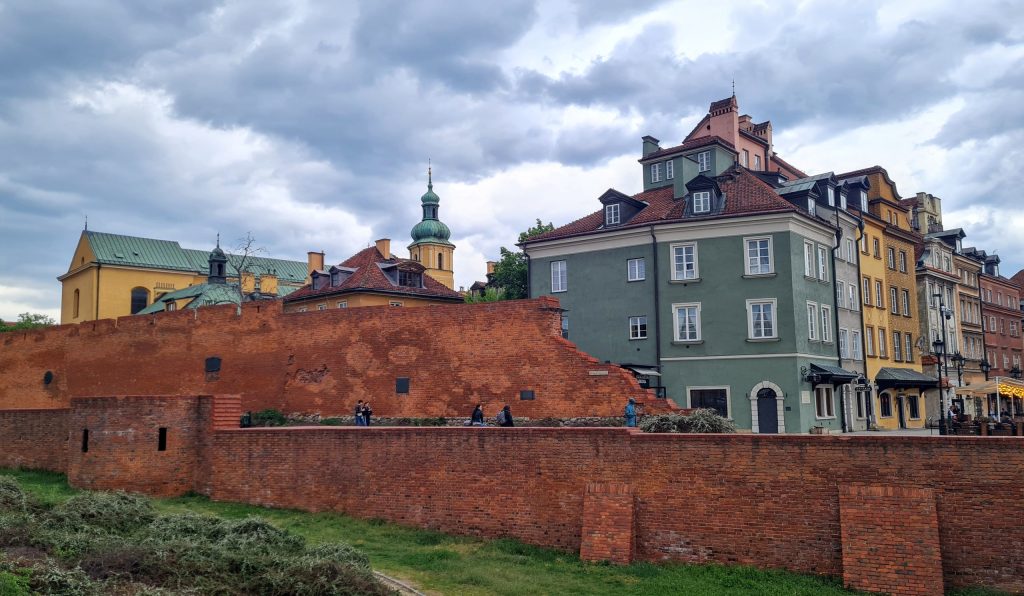
- Around 90% of Warsaw was destroyed during World War II.
- The Old Town was rebuilt so accurately that it became a UNESCO World Heritage Site.
- The city’s official symbol is the Mermaid, which you’ll find throughout the city.
- Frédéric Chopin’s heart is buried inside Holy Cross Church in Warsaw, while the rest of his body remains in Paris.
- Warsaw is one of Europe’s greenest capitals, with parks making up a surprisingly large portion of the city.
Frequently Asked Questions
How many days do you need in Warsaw?
I recommend spending a minimum of 4 days in Warsaw. This gives you enough time to explore the Old Town, visit several museums, experience a Chopin concert, and take a trip to Wilanów Palace without feeling too rushed.
What are some other attractions to see in Warsaw?
Warsaw has so many things to do that if you have more time to spend in warsaw I highly recommend you do! Some of the things that i would have loved to do, but unfortunately didn’t get a chance to are:
- The Copernicus Science Museum
- The Royal Castle
- Day trip to Treblinka Concentration camp
- Living under Communism Museum
- Lazienki park
How do you get around Warsaw?
Warsaw has an excellent public transport network made up of buses, trams and the metro.
Single tickets are generally valid for 75 minutes, making it easy to explore the city without needing a car. Tickets can be purchased using contactless payment on many buses and trams, at ticket machines, or through transport apps.
When travelling longer distances or late at night, Uber and Bolt are reliable and generally inexpensive.
One tip though: Be cautious of taxis, particularly around train stations and popular tourist attractions. They have their fare amounts written so tiny that you can’t read them from the backseat and will charge up to x10 the amount that compared to using Uber, Bolt or booking through a reputable taxi app.
This happened to me going to my accommodation when I arrived at the train station and my data was deciding to not work at the time, so I was looking for the taxi rank instead. I got charged 170 Euro for a 7 Euro fare, and his excuse was that his fare charges were clearly visible. I was absolutely kicking myself because I knew better too! Ah well you live and you learn!
What currency does Poland use?
Poland uses the Polish Złoty (PLN)
The Exchange rate is roughly, at time of publishing:
1 Polish Złoty = 0.25 EURO $
1 Polish Złoty = 0.41 AUS $
1 Polish Złoty = 0.21 UK £
1 Polish Złoty= 0.28 USD $
Credit cards are widely accepted throughout Warsaw, including on public transport, in restaurants and most attractions.
Is Poland part of the European Union?
Yes, Poland has been part of the European Union since 2004 and is also part of the Schengen area. It is however, one of the few countries that has maintained its own currency rather than move to the Euro, which it is currently working towards.
Is Poland Expensive?
Poland is widely known for having a great exchange rate, and therefore is seen as a cheaper destination for tourists.
Best time of year to visit Warsaw?
Warsaw is a great city to visit year round, with the shoulder seasons of September/ October and April/May are the best times to visit. You have milder weather days, where it can still get cold and sometimes a bit rainy, so bring a coat, but cheaper accommodation and less crowds around.
Peak season is from June to August, with the most expensive accommodation and needing to prebook many attractions due to large crowds compared to with less crowds during September to May. The weather is a lot nicer and doesn’t often experience extreme warm weather days.
In winter you will experience snowy Christmas markets in the old town, cheaper hotel rates, but cold temperatures and short days. to warm summer days.
What language is spoken in Warsaw?
The official language is Polish. However, English is widely spoken throughout hotels, restaurants, museums and tourist attractions, especially in the city centre.
Other Poland Posts
Why Kraków Should Be on Your Travel List