
Why Kraków Should Be on Your Travel List
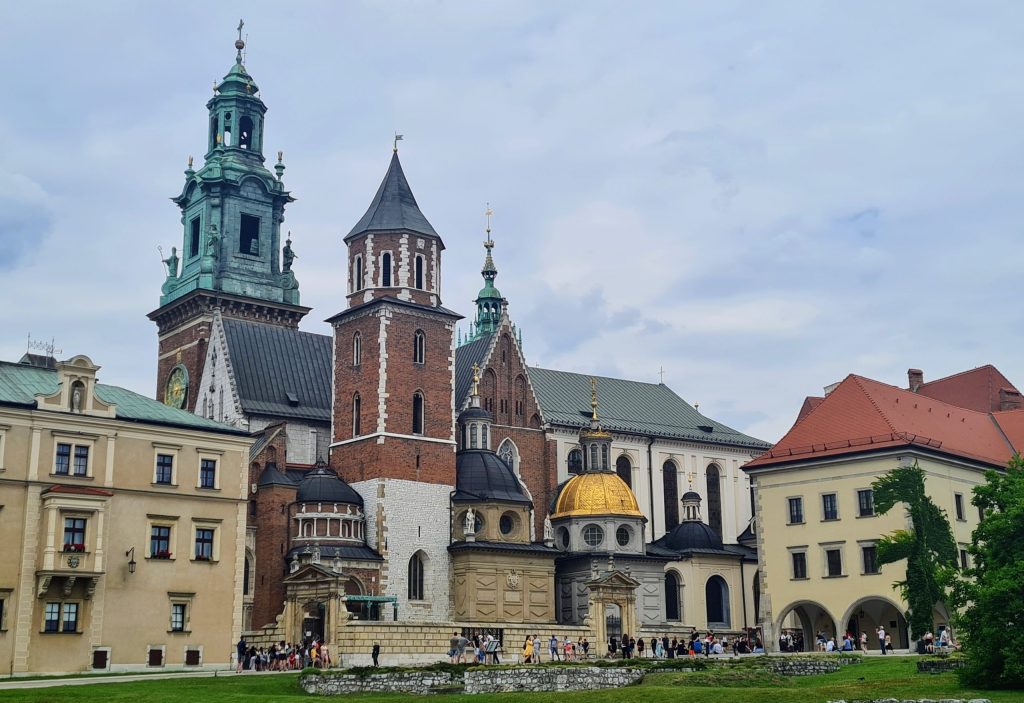
Kraków is one of those cities that completely surprised me. Rich in history, packed with beautiful architecture and full of incredible food, it’s easily one of the best cities to visit in Poland. Whether you’re interested in medieval castles, World War II history, vibrant nightlife or wandering around the old town enjoying a pastry, Kraków has something for everyone.
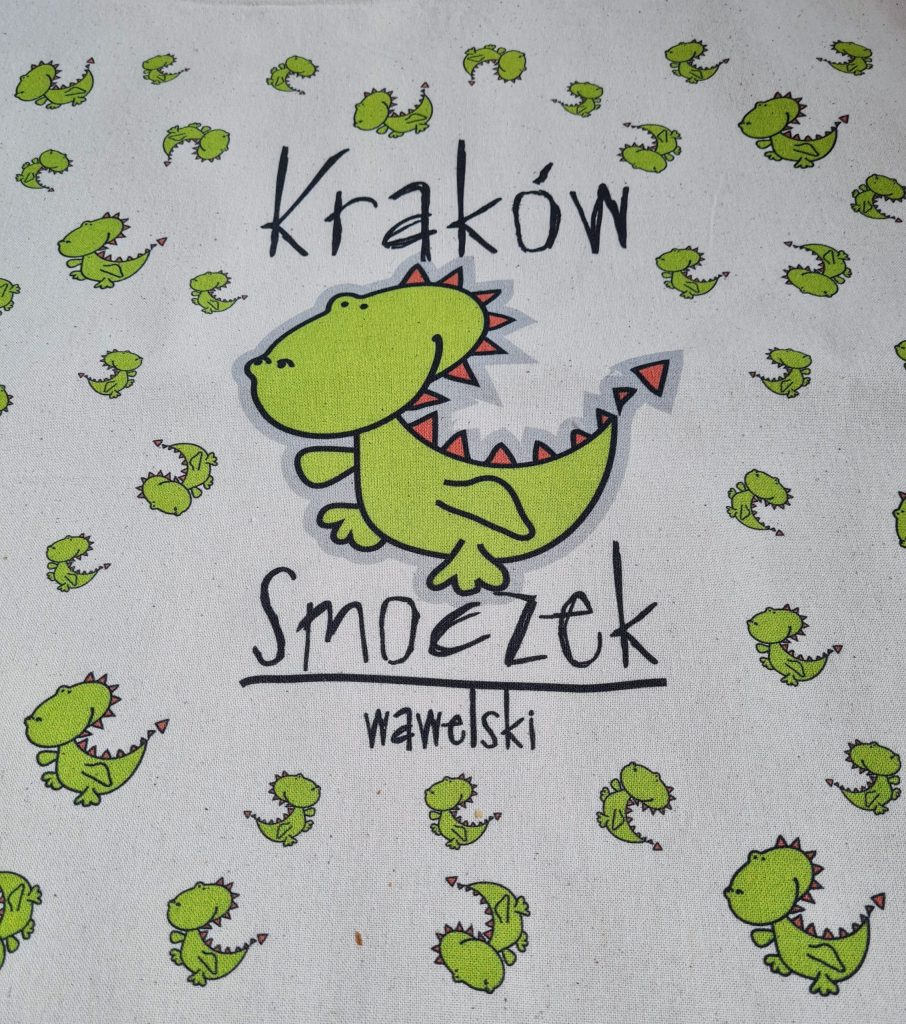
A UNESCO World Heritage City, Kraków was once the capital of Poland for more than 500 years and has remained the country’s cultural heart ever since. According to legend, the city itself was founded after a prince defeated the Wawel Dragon that terrorised the area beneath the castle hill.
Over the centuries, Kraków has witnessed invasions, occupations and wars, yet unlike most other Polish cities, much of its beautiful Old Town survived World War II.
Today, that history is still visible around every corner, making Kraków one of the most fascinating destinations in Europe and an essential stop on any Poland travel itinerary.
Things to do in Kraków
1. Join a Free Walking Tour
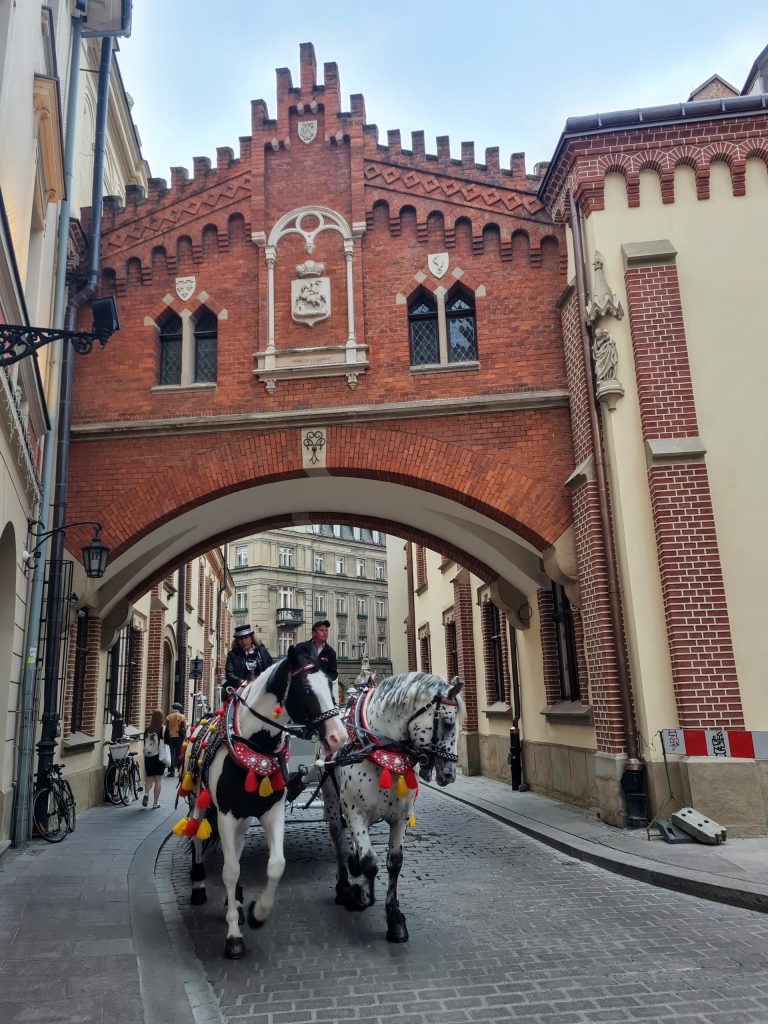
If you’ve read any of my other posts, you know how much of a fan I am of a free walking tour when arriving in a new city! Not only are they budget-friendly, but they’re also one of the easiest ways to wrap your head around the city. Its history and culture, sights to see and get recommendations from a local guide.
Kraków’s Old Town walking tours cover many of the city’s major landmarks including Rynek Główny, St Mary’s Basilica, Wawel Castle and the Cloth Hall while explaining the stories behind them.
There are also specialised tours focusing on the Jewish Quarter and World War II history if you want to dive a little deeper. I did a Jewish quarter and Ghetto walking tour which I highly recommend doing. As a bit of a history and world war 2 buff myself, I thought it was a very good introduction into learning about the jewish population of Krakow and the events leading up to and during world war II.
- Don’t forget that these tours are based on tips. Most now will take card payments too, so if you don’t have cash on you, you don’t have to worry about rushing around trying to find an ATM beforehand!
- A friendly reminder- while free, most require you to prebook the tour, especially during peak season.
2. Explore Kraków’s Old Town
If there’s one thing you should spend time doing in Kraków, it’s simply wandering around the Old Town.
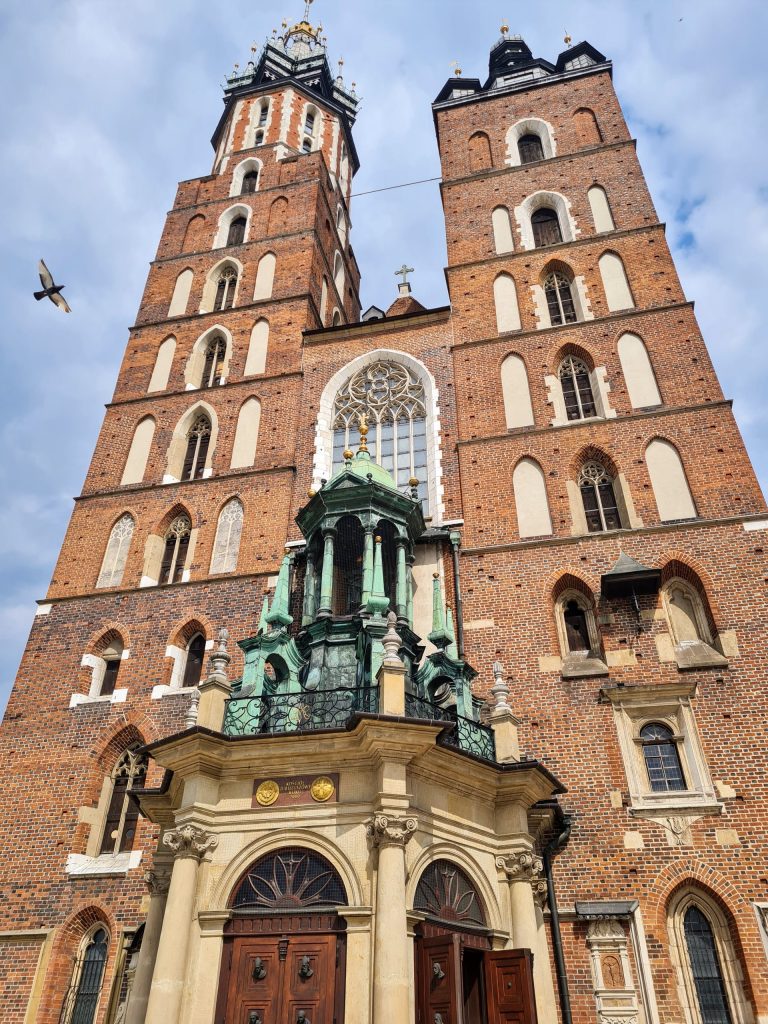
The heart of the city is Rynek Główny, the largest medieval market square in Europe and one of the most beautiful town squares. Lined with colourful buildings, outdoor cafés and horse-drawn carriages, it’s the perfect place to grab a coffee (or a Spritz) and enjoy for a while.
In the centre of the square sits the iconic Cloth Hall (Sukiennice), which has been trading since the Renaissance. Here you’ll find local handicrafts, amber jewellery, souvenirs and traditional Polish artwork inside. One side of the square is dominated by St Mary’s Basilica. Every hour, listen out for the call played live from the church tower, a tradition that’s lasted for centuries.
From the square, wander through the surrounding streets towards Florian Gate, one of the last remaining medieval city gates. You can then walk through Planty Park, a park that wraps completely around the Old Town where the medieval city walls once stood.
If you’re looking for one of the best views in Kraków, head up to Kościuszko Mound. Built in honour of Polish national hero Tadeusz Kościuszko, the mound offers panoramic views across the city and towards the surrounding countryside.
3. Visit Kazimierz: Kraków’s Jewish Quarter
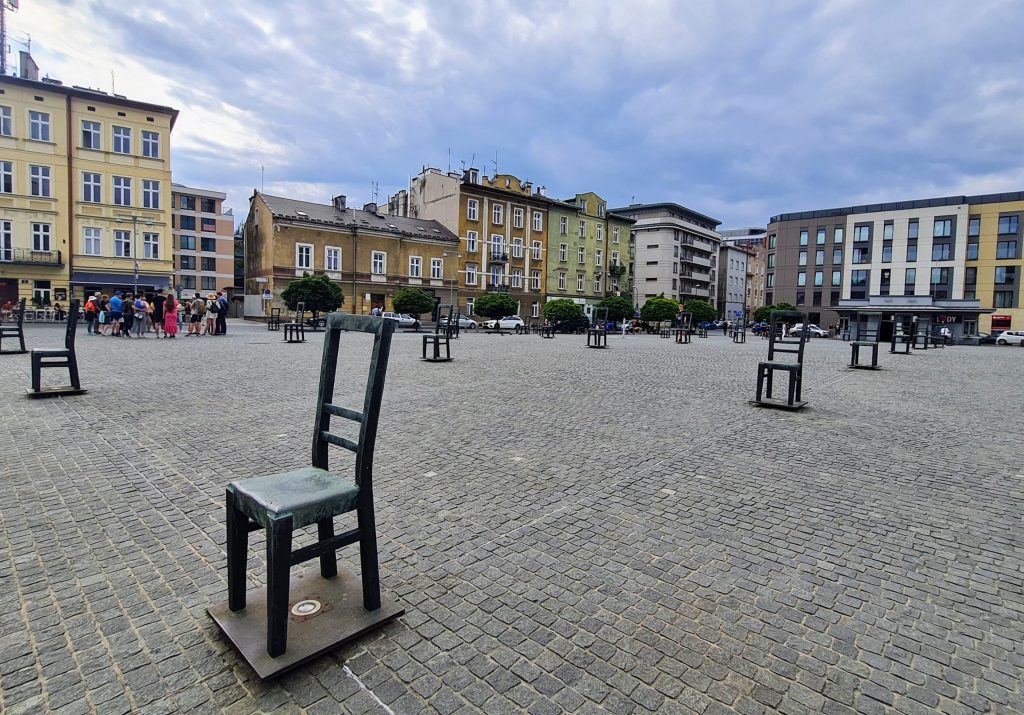
Located across the river from Kraków’s old town is Kazimierz, the city’s historic Jewish Quarter.
Once an independent city before becoming part of Kraków, Kazimierz was one of the most important centres of Jewish life in Europe for centuries. Today it blends that rich history with trendy cafés, bars, restaurants, street art and cultural spaces, making it one of the most vibrant neighbourhoods in the city.
A short walk away is the Podgórze District, where Heroes Square (Plac Bohaterów Getta) and the remaining section of the former Jewish Ghetto wall is.
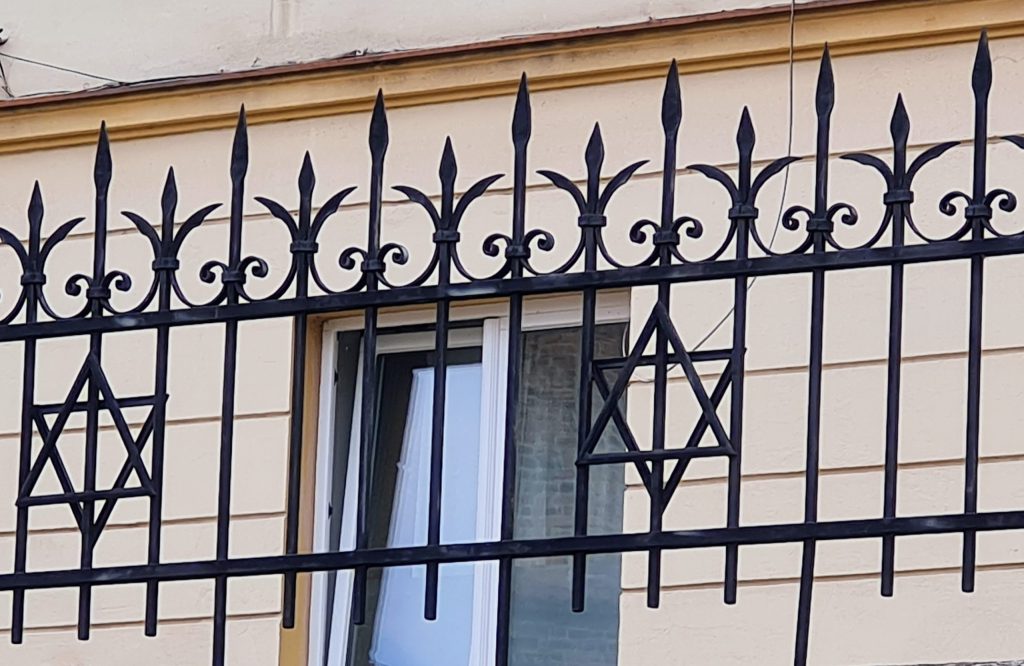
During World War II, this area became the Kraków Ghetto, where thousands of Jewish residents were forcibly relocated by the Nazis before being sent to concentration camps.
Today these memorials serve as a reminder of Kraków’s wartime history and are among the most important places to visit in the city.
As I said earlier, this is a great place to do a historical walking tour!
4. Visit Wawel Castle (And see the Dragon!)
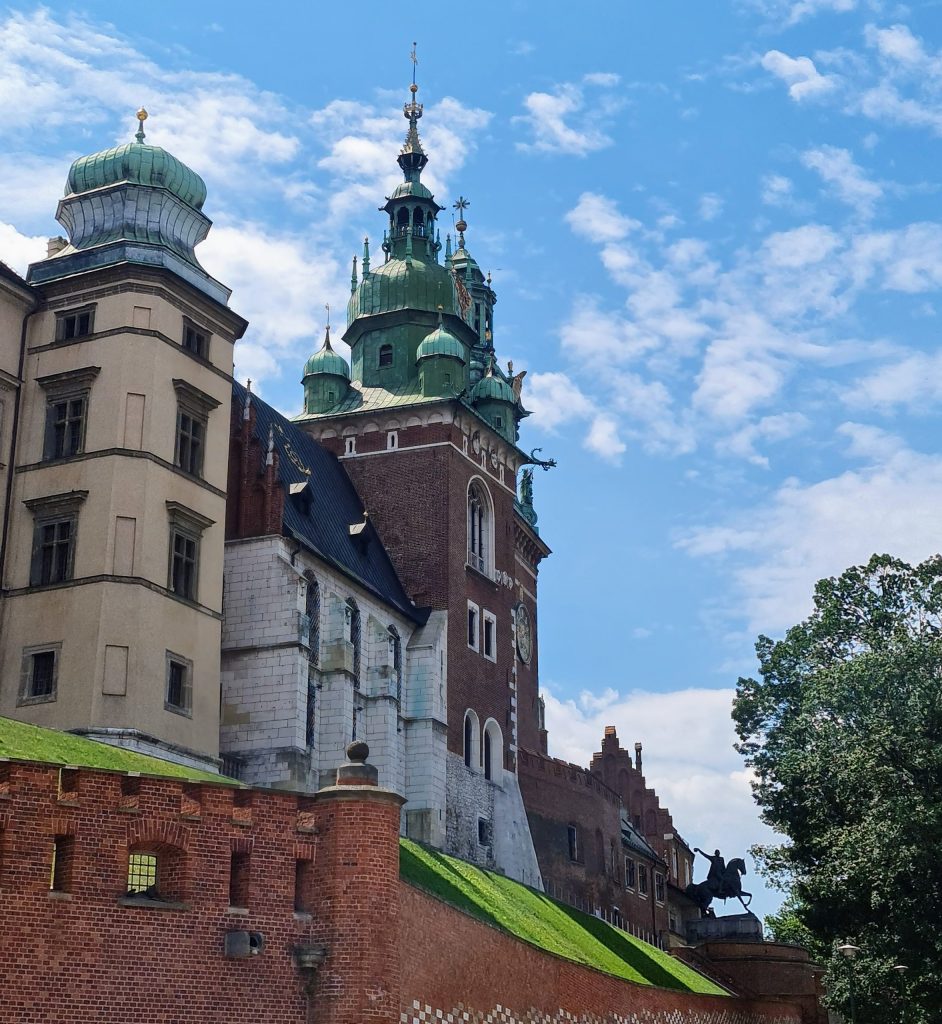
Located a short walk from the old town, on a hill overlooking the Vistula River, Wawel Castle is one of Poland’s most important historical landmarks.
For centuries it served as the Royal residence of Polish kings and today visitors can explore the royal apartments, cathedral, courtyards and museums while enjoying some beautiful views across Kraków.
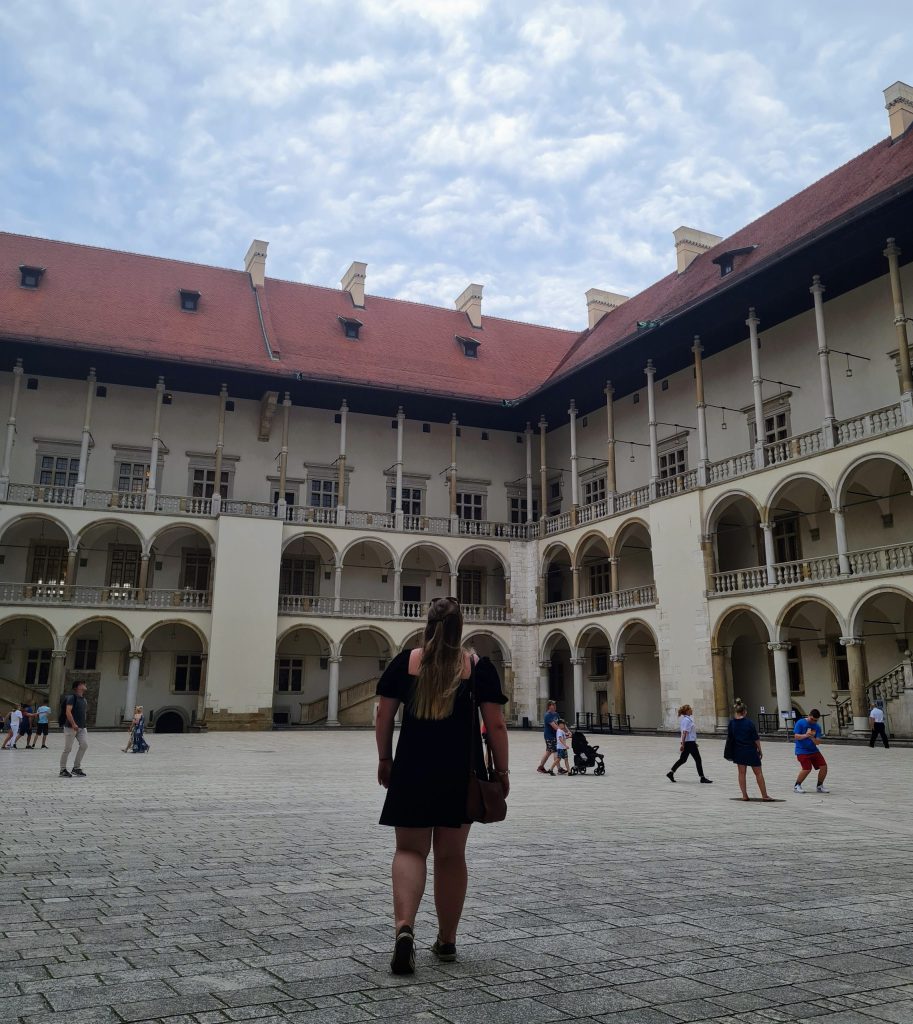
Don’t forget to visit the famous Wawel Dragon statue at the base of the hill. According to local legend, a terrifying dragon once lived in a cave beneath the castle until it was defeated. Every few minutes, the dragon still breathes real fire too.
Another fun fact about the castle (which they don’t promote!) is that it is one of the sites where one of the world’s Chakra’s is.The believers call this site one of the spiritual energies of the world.
5. Schindler’s Enamel Factory
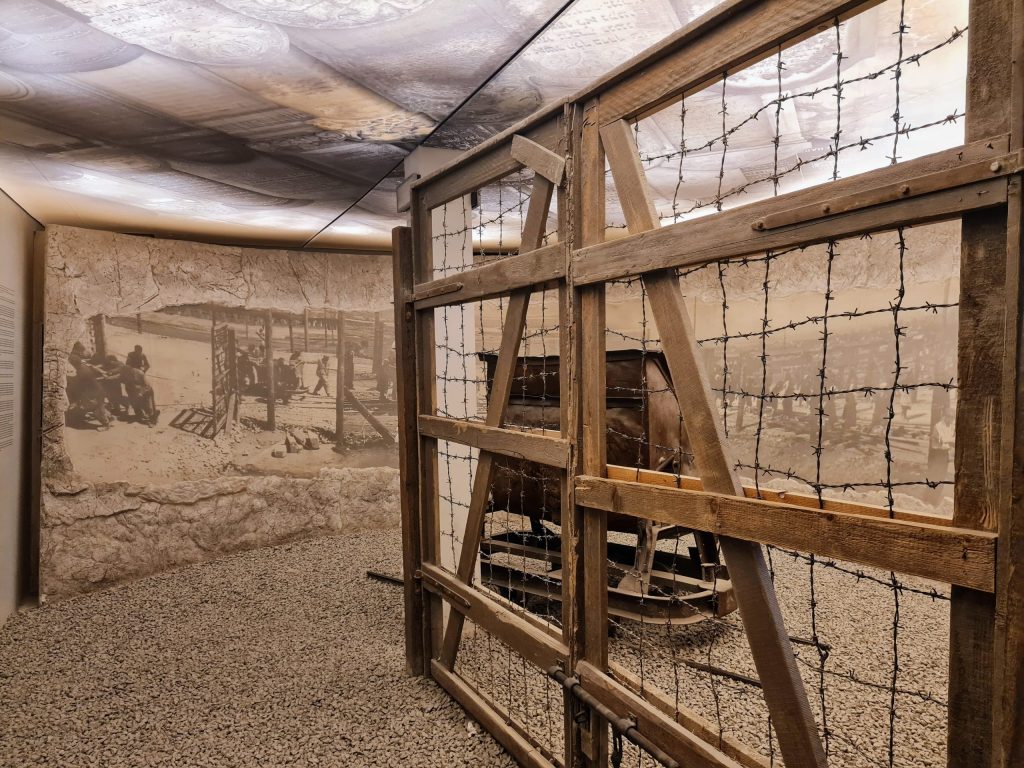
Although not as large or as well-known as some other World War II museums across Europe, I honestly think Schindler’s Enamel Factory is one of the best museums I went to in Kraków and one of the best small museums on world war II that I have been to. Absolute 11 out of 10 stars!
Rather than focusing solely on Oskar Schindler himself, the museum tells the story of everyday life in Nazi-occupied Kraków. Through interactive exhibits, recreated streets and personal stories, it gives a picture of what life was like during the occupation.
Even if you’ve seen Schindler’s List or not, this museum offers far more context and is well worth adding to your Kraków itinerary.
6. Wieliczka salt mine
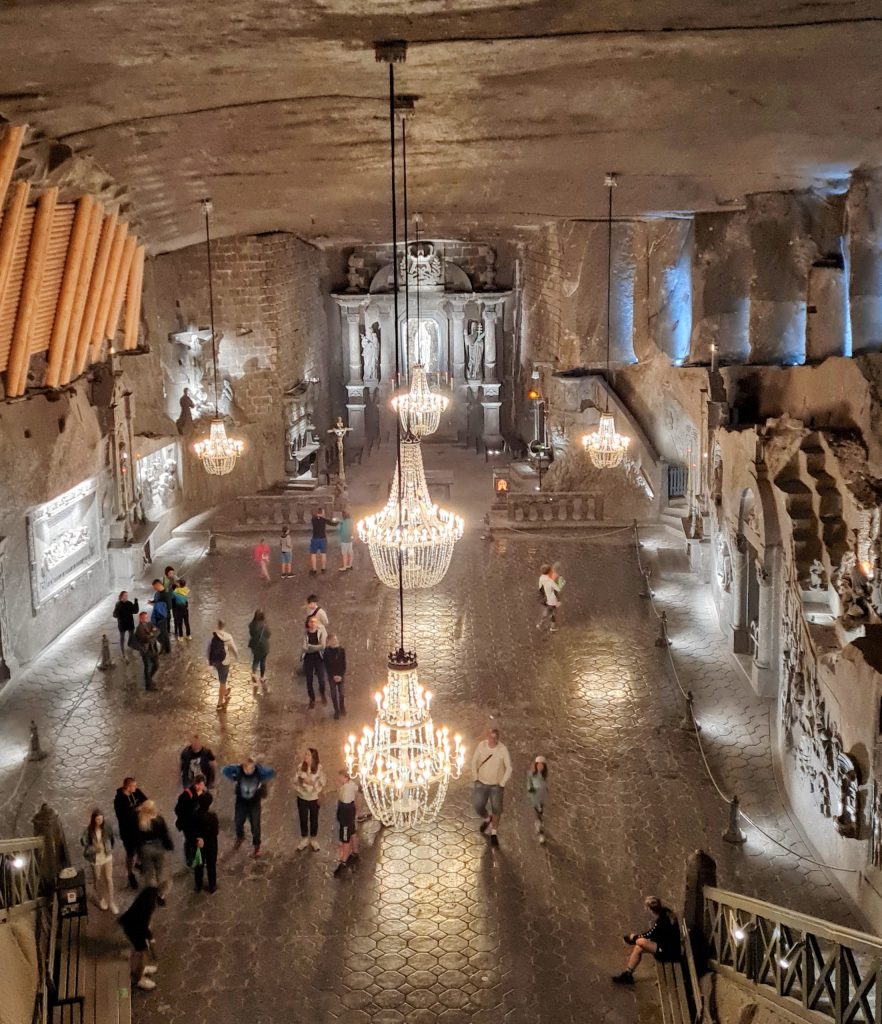
Over 700 years old, the Wieliczka Salt Mine is one of the original UNESCO World Heritage Sites. This isn’t just a salt mine, but a huge underground world with multiple levels, hundreds of kilometres of tunnels, and beautifully carved chambers and statues made from salt.
As you explore, you’ll see chapels, sculptures, and even chandeliers created by miners over centuries, with the breathtaking Chapel of St. Kinga being a standout! throughout the year they even do functions in this area (I know someone even who got married in here).
The mine also has a darker layer of history, during World War II, the Nazis used parts of the mine to hide stolen valuables and for wartime operations.
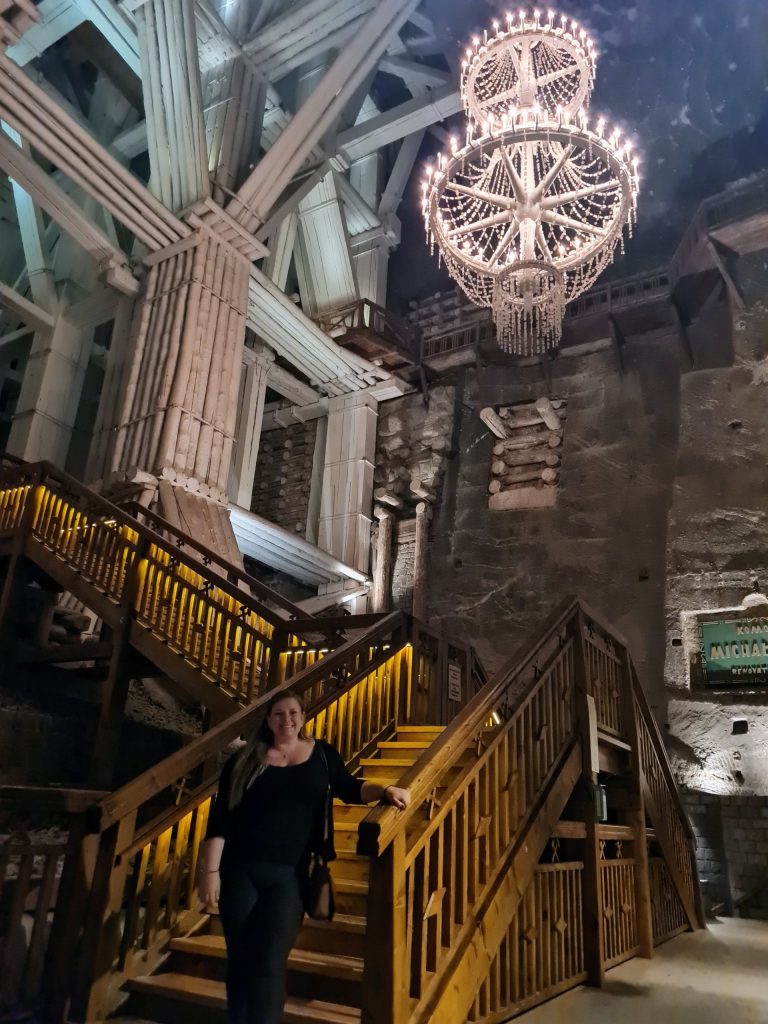
The guided tour lasts around two hours (you can choose which language you want the tour in on their website) and takes you deep underground, blending incredible craftsmanship with fascinating history. Tickets need to be prebooked in advance in time slots. Book tickets here.
7. Take a Day Trip to Zakopane and the Tatra Mountains
If you have a spare day while visiting Kraków, I highly recommend heading south to Zakopane, often referred to as the winter capital of Poland. Nestled at the foot of the Tatra Mountains, this mountain town offers a completely different side of Poland and makes for one of the best day trips from Kraków.
The journey takes around two hours by bus, train or organised tour, making it an easy day trip. Once you arrive, stroll along Krupówki Street, Zakopane’s lively main street lined with traditional wooden buildings, local restaurants, souvenir shops and stalls selling the famous smoked sheep’s cheese, Oscypek.
For the best views, take the funicular up Gubałówka Hill, where you’ll be rewarded with panoramic views over Zakopane and the surrounding Tatra Mountains.
If you’re visiting during the warmer months and enjoy hiking, the nearby Tatra National Park has countless walking trails ranging from easy lakeside walks to challenging mountain hikes. One of the most popular hikes is to the stunning Morskie Oko, a crystal-clear alpine lake surrounded by towering mountain peaks.
If hiking isn’t your thing, many organised tours from Kraków combine Zakopane with a visit to one of the region’s famous thermal spas, making for the perfect relaxing day. After a day of exploring the mountains, soaking in naturally heated thermal pools while looking out over the surrounding scenery is a pretty hard experience to beat.
8. Auschwitz- Birkenau Memorial Museum
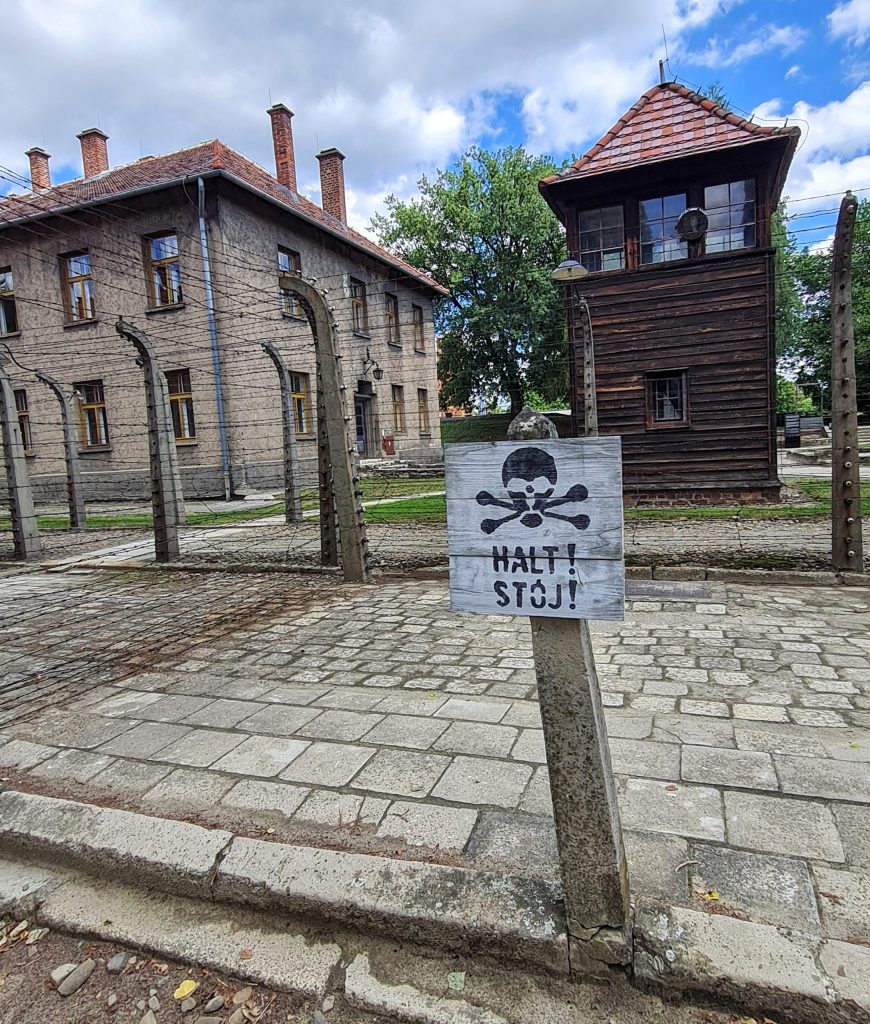
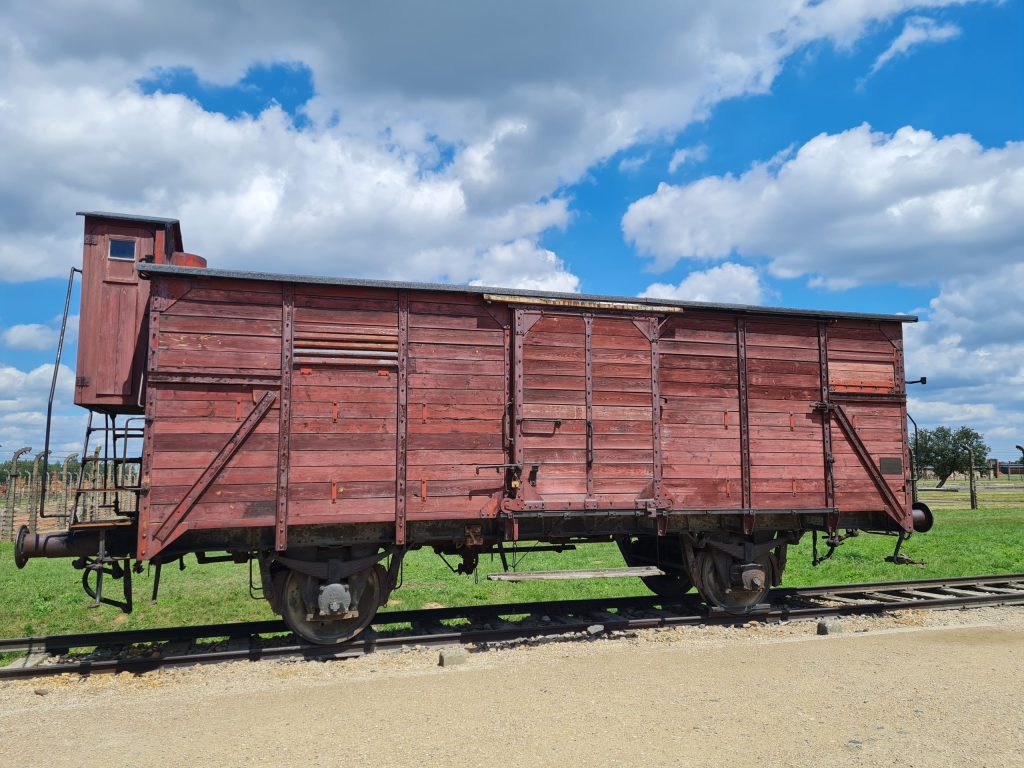
The largest and most infamous of the Nazi concentration and extermination camps in Europe during world war II, some of the biggest genocide atrocities in history occurred here. Formed in 1940 and used until 1945, this is the site where the idea of the Jewish final solution was formed and used, and where over 1 million people died.
Situated in the town of Oświęcim, about 50 km west of Kraków Auschwitz- Bikenau consists of 3 main sites. Auschwitz I, Auschwitz II (Birkenau) and Auschwitz III (Monowitz).
Unlike some other Concentration camps, Auschwitz- Bikenau requires you to do a tour. They do tours in multiple languages and so you can pick when you book a ticket.
The tour takes approximately 4 hours starting at Auschwitz I and walking under the infamous sign of Arbeit macht frei (work sets you free) sets a very somber mood.
After seeing Auschwitz I, you then catch a shuttle to Birkenau. Its a stark change as the Nazi’s actually destroyed many of the buildings here as they were retreating, to try and hide what they had done here. The tour ends here and you can choose how long you want to stay here, and catch a bus back to Auschwitz I when you are ready.
How to get there
There are 3 options to get to Auschwitz- Birkenau from Kraków.
Day tour
You can get an organised day tour from Kraków and will normally include the Wieliczka Salt mine on the same day.
Keep in mind that both these tours at the sites are quite long, so can result in a long day. These tours are also a lot more expensive compared to doing it yourself, however you don’t need to worry about buying tickets to the museums yourself.
Train
Leaving from Kraków Główny (Kraków main station) to the town of
Oświęcim every hour, the train ride takes about 1 ½ hours. Once you arrive at Oświęcim station, you can catch a local bus to the Auschwitz Visitor centre about a 5-10 minute bus ride away. Alternatively you can catch a taxi/uber/bolt or walk (approximately 2 km, and 15 minute walk).
With this option keep in mind the travel time, as the tickets into the Memorial site are timed, if you are late, you will miss out on your time slot. You can rebook it (and pay again) at the centre, however if during peak season you will be unlikely to rebook on the same day.
Bus
Leaving from Kraków Bus station, Buses head to the Auschwitz visitor centre every hour or so. You can pay on the bus or book online. Make sure you arrive early to ensure you get a seat on the bus, especially during peak season as it can fill up fast. The bus takes about 1 ½ hours.
With these last two options, you still need to prebook your ticket in advance into the Auschwitz- Birkenau Memorial Museum.
For the tour
- Be sure to arrive 30 minutes before your tour start time for security lines – during peak season
- You will need to bring your passport with you to be able to enter
- The tour lasts 3-4 hours
- Be appropriately dressed or they will not let you in
- You must be over 14 years to be allowed in
Where and What to eat in Kraków
- Zapiekanki- Zapiekanki is a popular Polish street food that is an open sandwich- typically a baguette sliced in half, with mushrooms and cheese toasted. These days you can choose many different toppings. A great place to find it is at Elebele Zapiekanki in the Kazimierz District.
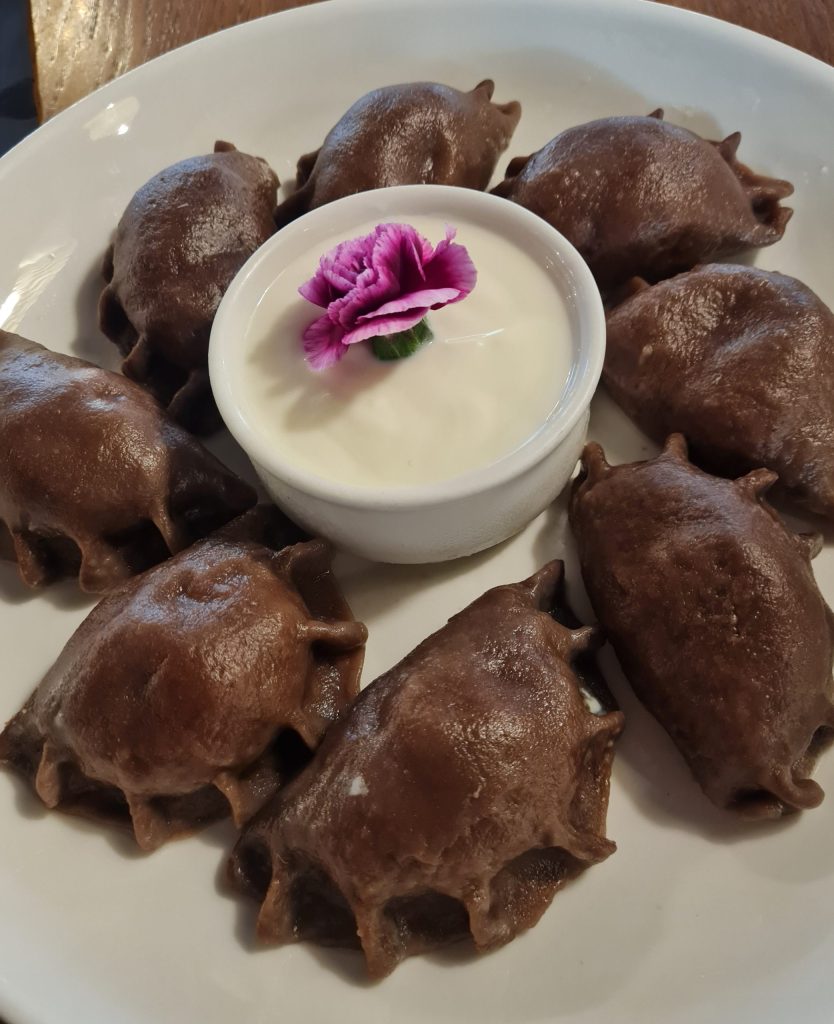
- Pierogi- Probably one of the most famous Polish foods, Pierogi’s are a dumpling with a filling of potato or meat usually served with sour cream or butter. You can also have sweet versions as well. Try them at Pierogarnia Krakowiacy, in the old town or Mirror Bistro and Pieromir Pierogi & Tosty in the Kazimierz district.
- If you are up for trying some typical Polish food try a Polish restaurant like Domowe Przysmaki in the old town. Here you can try things like Polish Potato cakes (Placki Ziemniaczane), Polish Borscht and Pierogi’s.
- Pastries- Poland and especially Kraków is famous for its pastries. There are so many traditional pastries to choose from and the streets in the old town are full of bakeries and Pastry shops to try some traditional pastries, such a Karpatka and traditional polish layered cake made with choux pastry and custard, but my favourite- Pączki- a traditional donut with different type of fillings is a must try! And Dobra Paczkarnia on the edge of the old town is a great place to try them!

Frequently Asked Questions
Is 3 days enough for Kraków?
Yes, 3 days in Krakow can be enough to see the highlights of this beautiful city, but if you have more time I recommend 5 days so that you can do a day trip or 2 and fully immerse yourself in this city.
Is Poland part of the European Union?
Yes, Poland has been part of the European Union since 2004 and is also part of the Schengen area. It is however, one of the few countries that has maintained its own currency rather than move to the Euro, which it is currently working towards.
What Currency is used in Poland?
The Polish Złoty is the current currency used in Poland
The Exchange rate is roughly, at time of publishing:
1 Polish Złoty = 0.25 EURO $
1 Polish Złoty = 0.41 AUS $
1 Polish Złoty = 0.21 UK £
1 Polish Złoty= 0.28 USD $
Is Poland Expensive?
Poland is widely known for having a great exchange rate, and therefore is seen as a cheaper destination for tourists.
Best time of year to visit Kraków?
Krakow is a great city to visit year round, with snowy Christmas markets to warm summer days. Peak season is from June to August, with less crowds during September to May. the shoulder seasons of September/ October and April/May are the best times to visit.
Is Kraków worth visiting?
The city of Kraków is absolutely worth visiting! Often considered one of the most beautiful cities in Poland, it was largely untouched during World War II—unlike many other Polish cities that were destroyed. This rare preservation means Kraków still boasts a breathtaking medieval Old Town, complete with cobblestone streets and historic architecture, of which have earned it UNESCO World Heritage status.
How to get around Kraków?
Kraków is a great city to walk as it is mostly flat (it does have a few hills though!). It is also well connected around the city centre with Trams.
Do I need a car in Kraków?
No, Krakow has great Public Transport, with Trains, buses and Trams around the city centre and from the airport and main station. Krakow is also a very walkable city with main attractions within walking distance.
Taxis, Uber and Bolt are also very popular to use as well.
What language is spoken in Kraków?
The official language is Polish. However, English is widely spoken throughout hotels, restaurants, museums and tourist attractions, especially in the city centre.
Other Poland Posts
Why Warsaw Should Be Your Next European City Break